From Artifact to Experience
A new approach to historical interpretation, combining artifacts, research, and AI-assisted visualization to help modern audiences engage more directly with the people and places of the past.
A set of 19th-century schoolgirl samplers discovered at auction led to the reconstruction of a 200-year family history. Through research, collaboration with historians and textile experts, and careful interpretation, these artifacts became the foundation for a broader exploration of how AI-assisted visualization can reconnect historical objects, spaces, and people with lived experience.
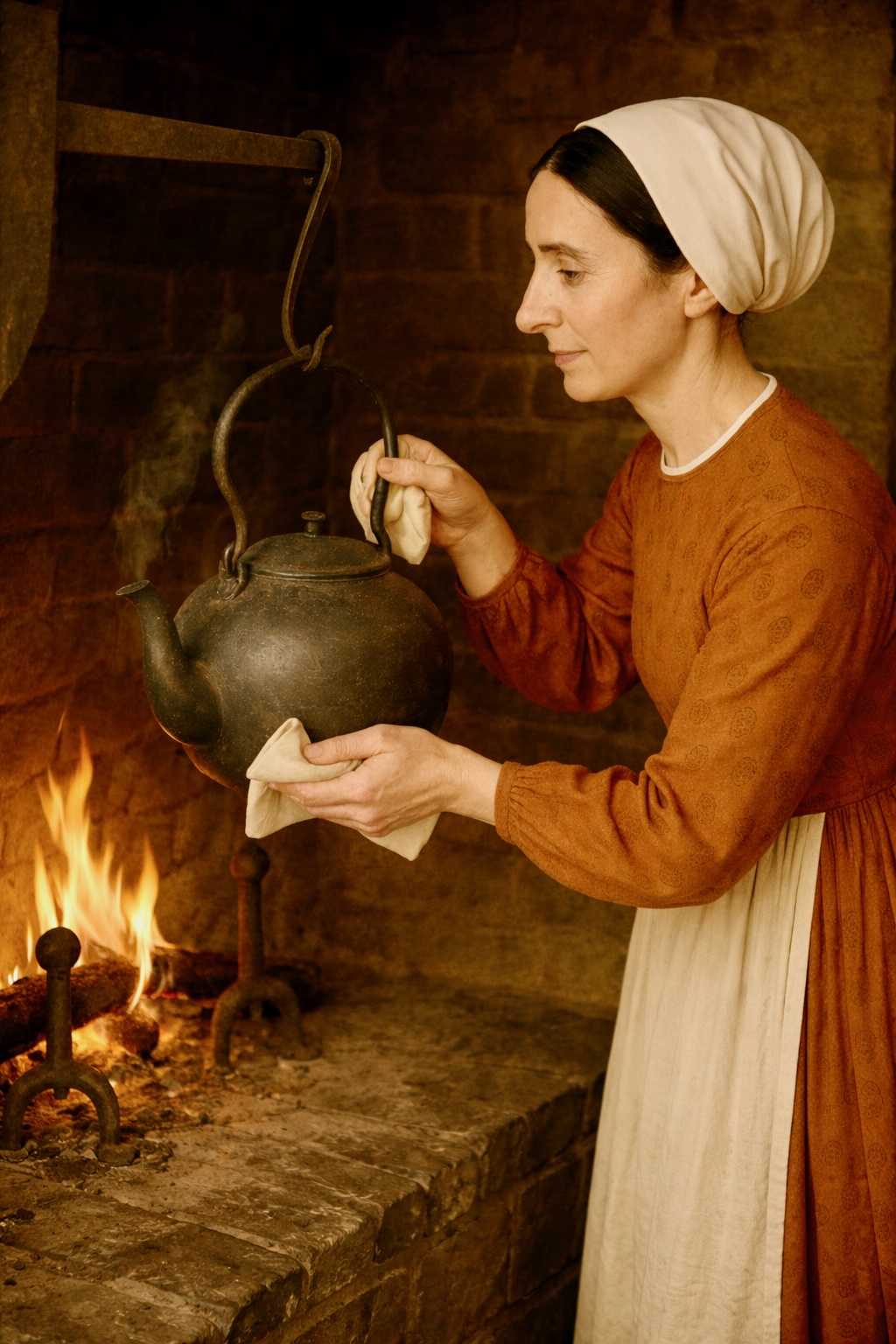
This project uses AI not to invent images, but to test and refine scenes against real historical evidence.
In this way, AI becomes a tool for historical interpretation rather than illustration.
Historic Reimaginings was recognized with a 2026 Gold w3 Award for Best AI Creative Integration, presented by the Academy of Interactive and Visual Arts (AIVA).
The Discovery
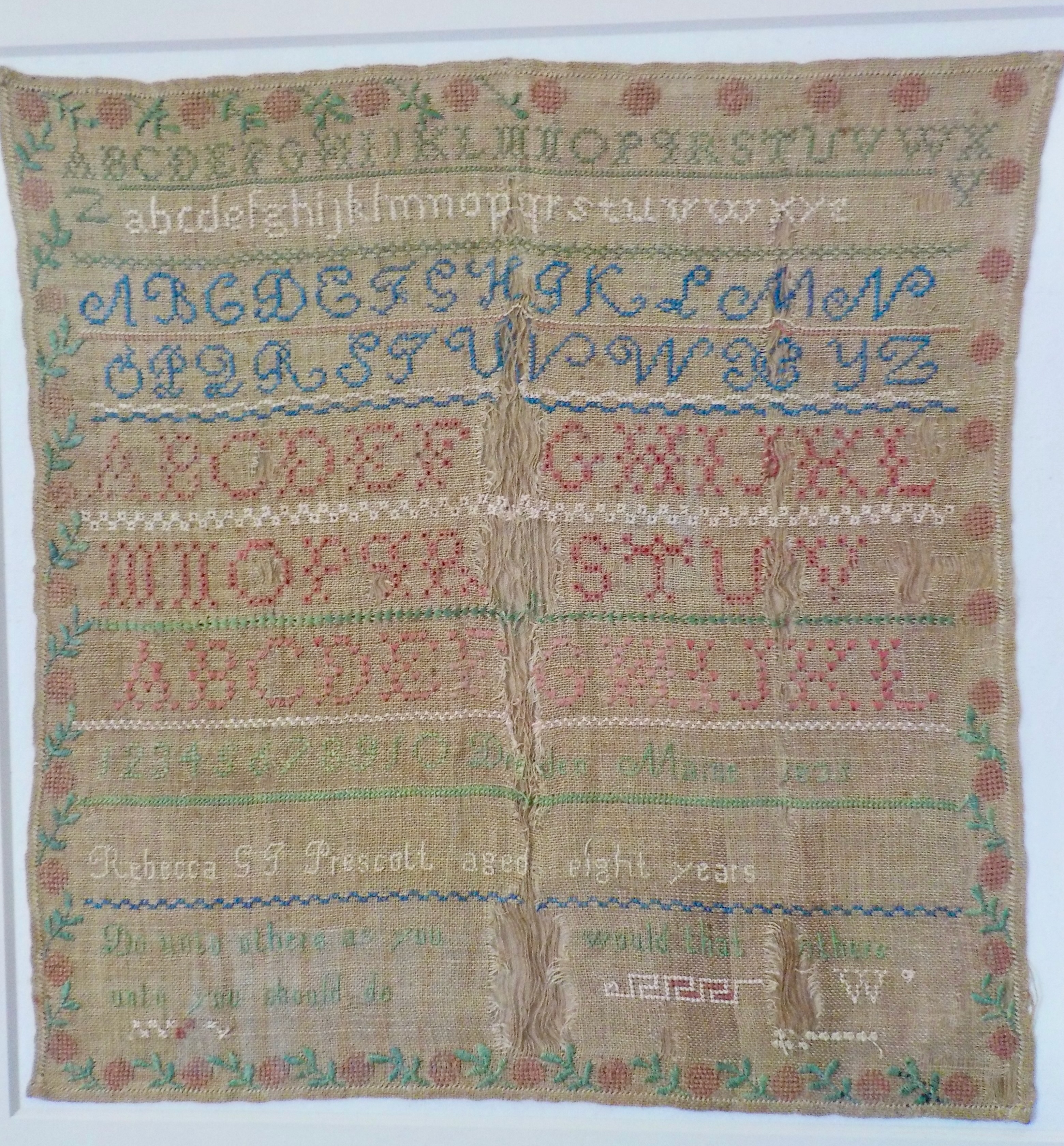
In 2020, while searching for a gift, a collection of early American schoolgirl samplers were spotted at an auction in Oakland, California. What first stood out as Philadelphia and Maine needleworks quickly revealed something more: multiple samplers stitched by members of the same extended family.
Genealogical research connected these pieces to the Prescott family of Dresden, Maine, and, through the Canby family, to the family of Betsy Ross, linking the samplers to documented individuals, places, and a broader early American context.
The schoolgirl samplers were ultimately returned to the Pownalborough Court House, where they had been stitched, completing a journey of nearly two centuries.
What began as a search for an object became a reconstruction of real lives, places, and relationships.
The Challenge
Early attempts at illustration quickly revealed a problem: small inaccuracies broke the connection to the reconstruction.
“The likeness was wrong.”
“The buttons belonged on the back of the dress.”
“The courthouse windows were wrong.”
Each correction led to deeper research. Clothing, architecture, materials, and even family background had to align with historical evidence. Accuracy was not optional, it was essential to maintaining trust with the viewer.
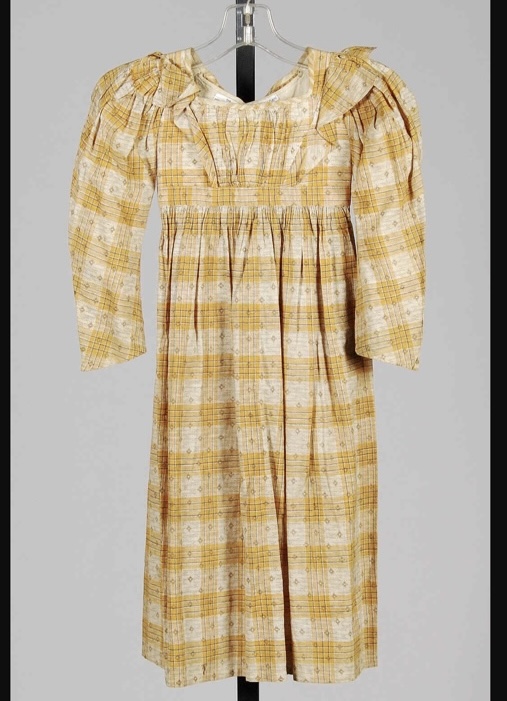
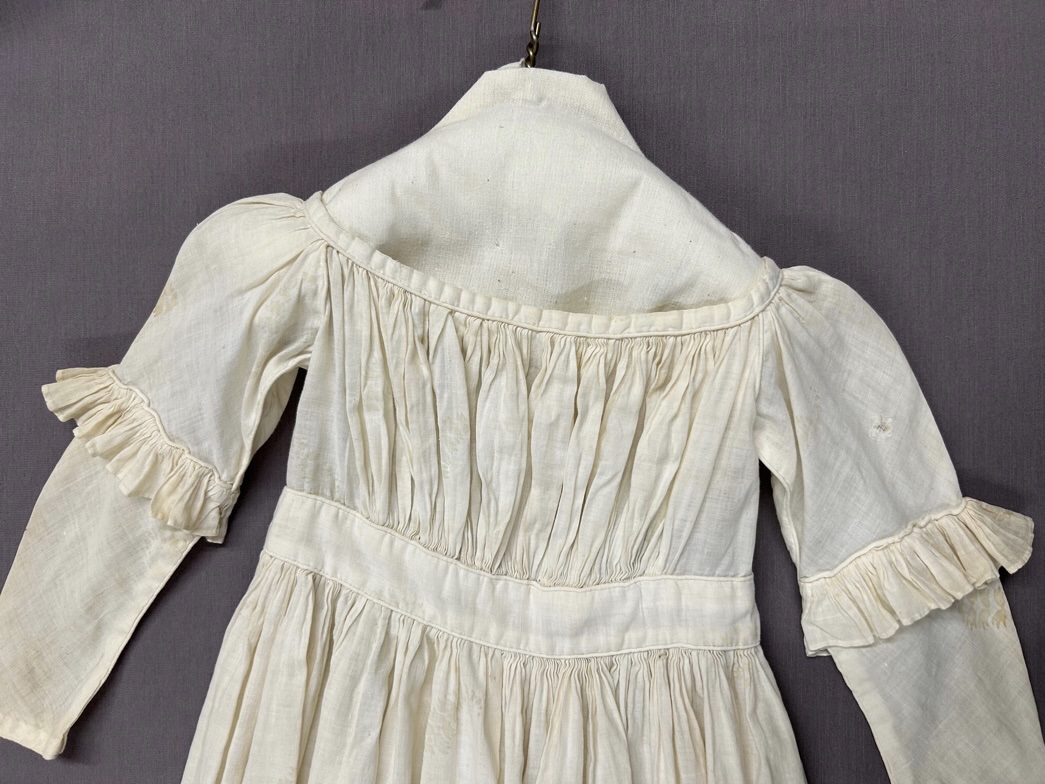
Clothing presented a particular challenge. Many surviving garments are too fragile to be worn, leaving questions of fit, movement, and how fabric would have draped on a living person.
AI made it possible to explore these details, allowing garments to be seen in motion and at scale, revealing structure, stitching, and proportion in ways not practical through traditional illustration alone.
The Process
Each scene begins with a historically grounded moment, reduced to its essentials: the people present, the setting, the objects, the light, and the emotional tone.
These scenes are guided by documented evidence, including surviving artifacts, historical clothing, architectural details, and contemporary accounts.
Visual tools, including AI, are used within these constraints to iteratively test variations, refine details, and evaluate historical plausibility under human direction.
The goal is informed reconstruction grounded in evidence.
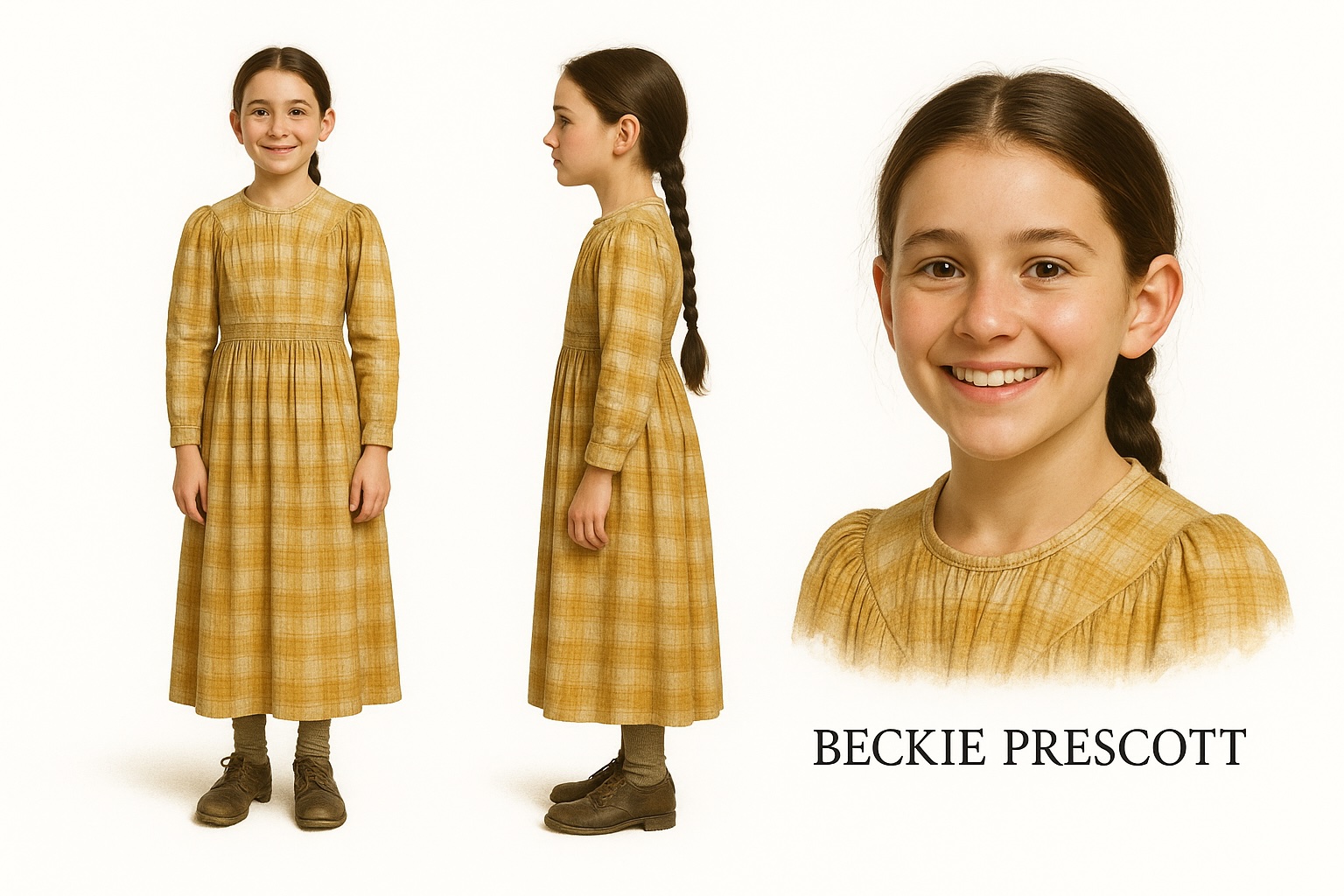
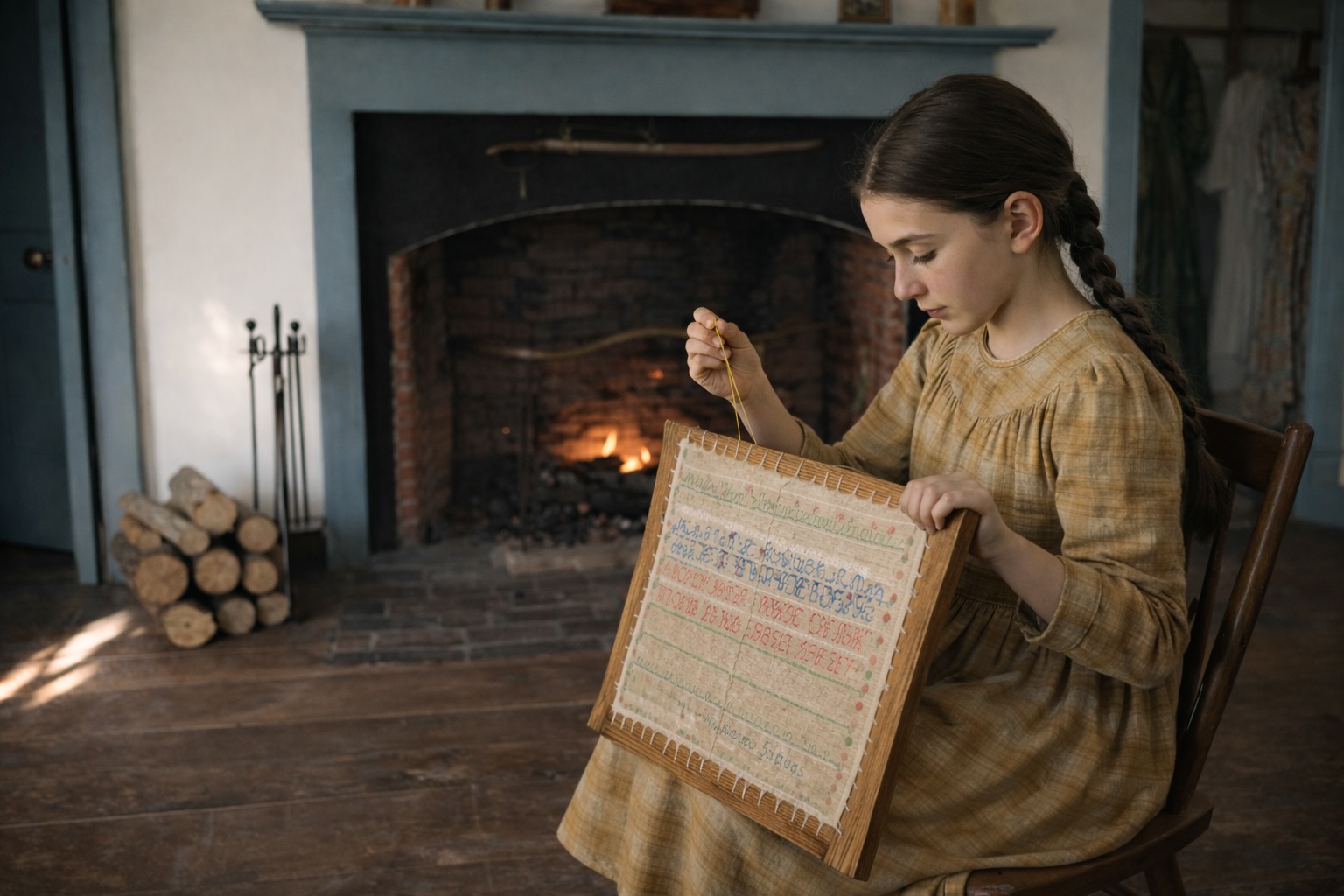
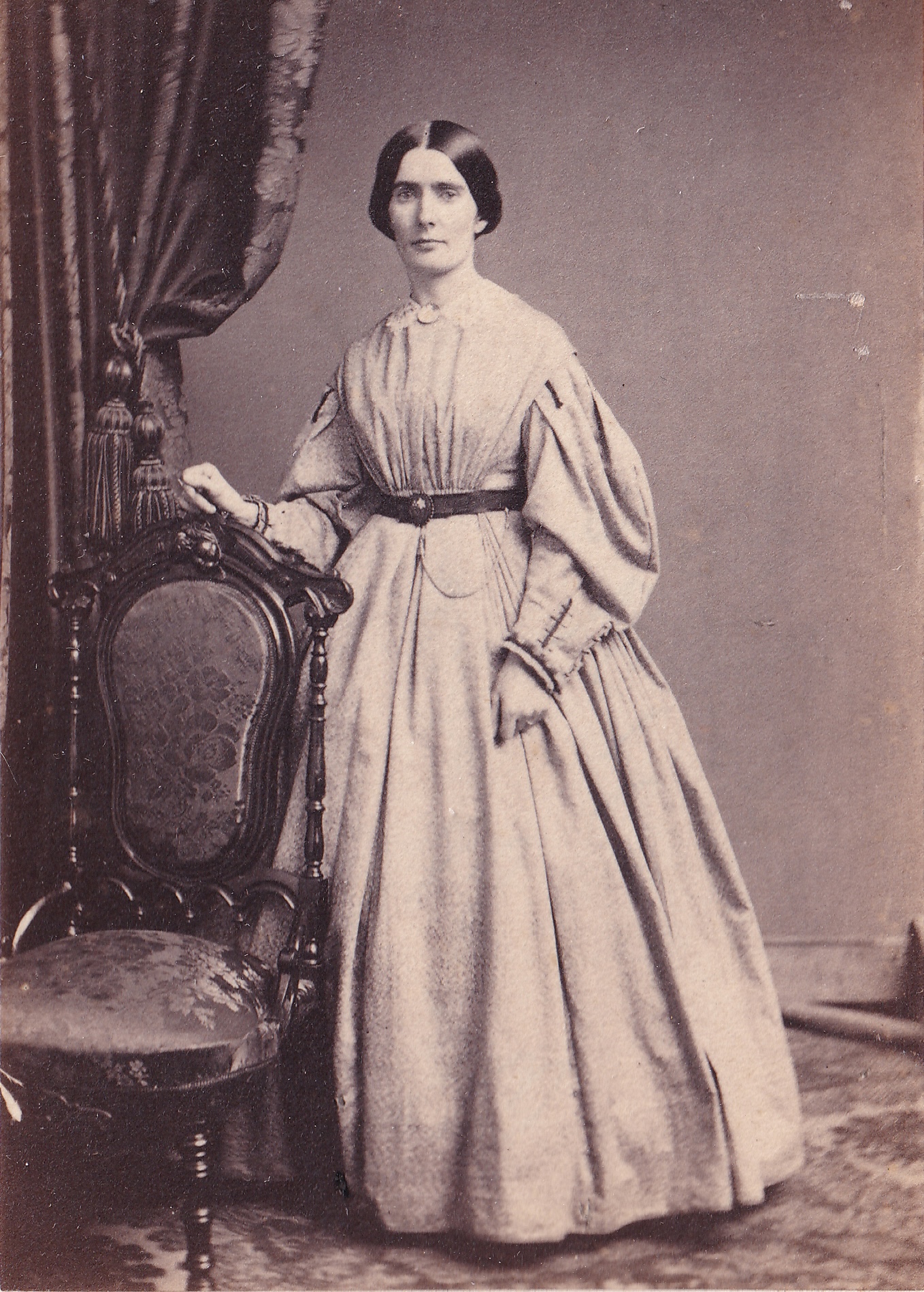
Beckie Prescott: From Evidence to Image
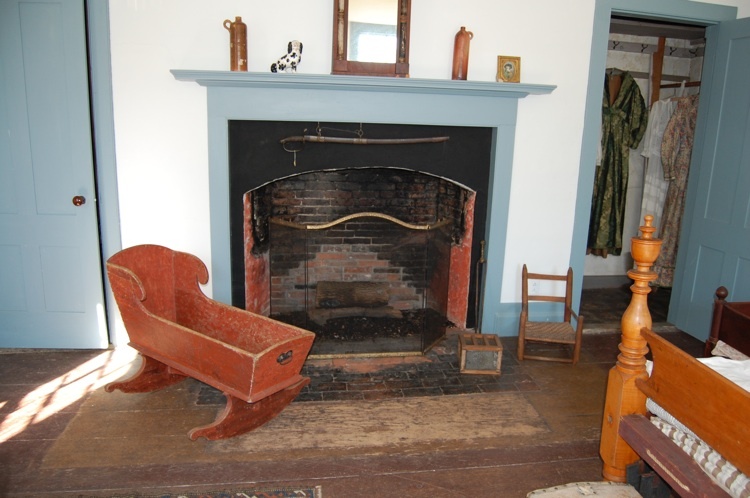
Each illustration was constructed through a chain of reference, tested, corrected, and refined.
These reference materials guide interpretation rather than serve as direct reproductions.
.jpg)
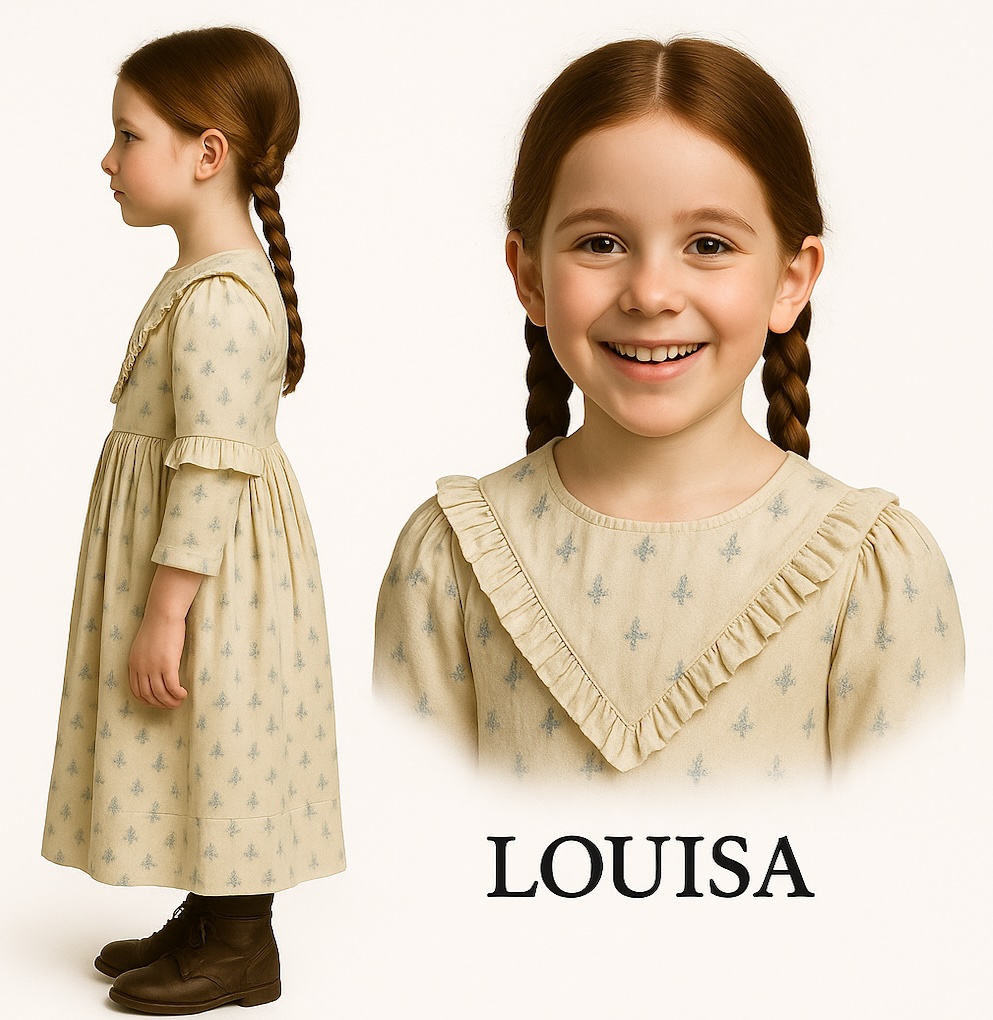
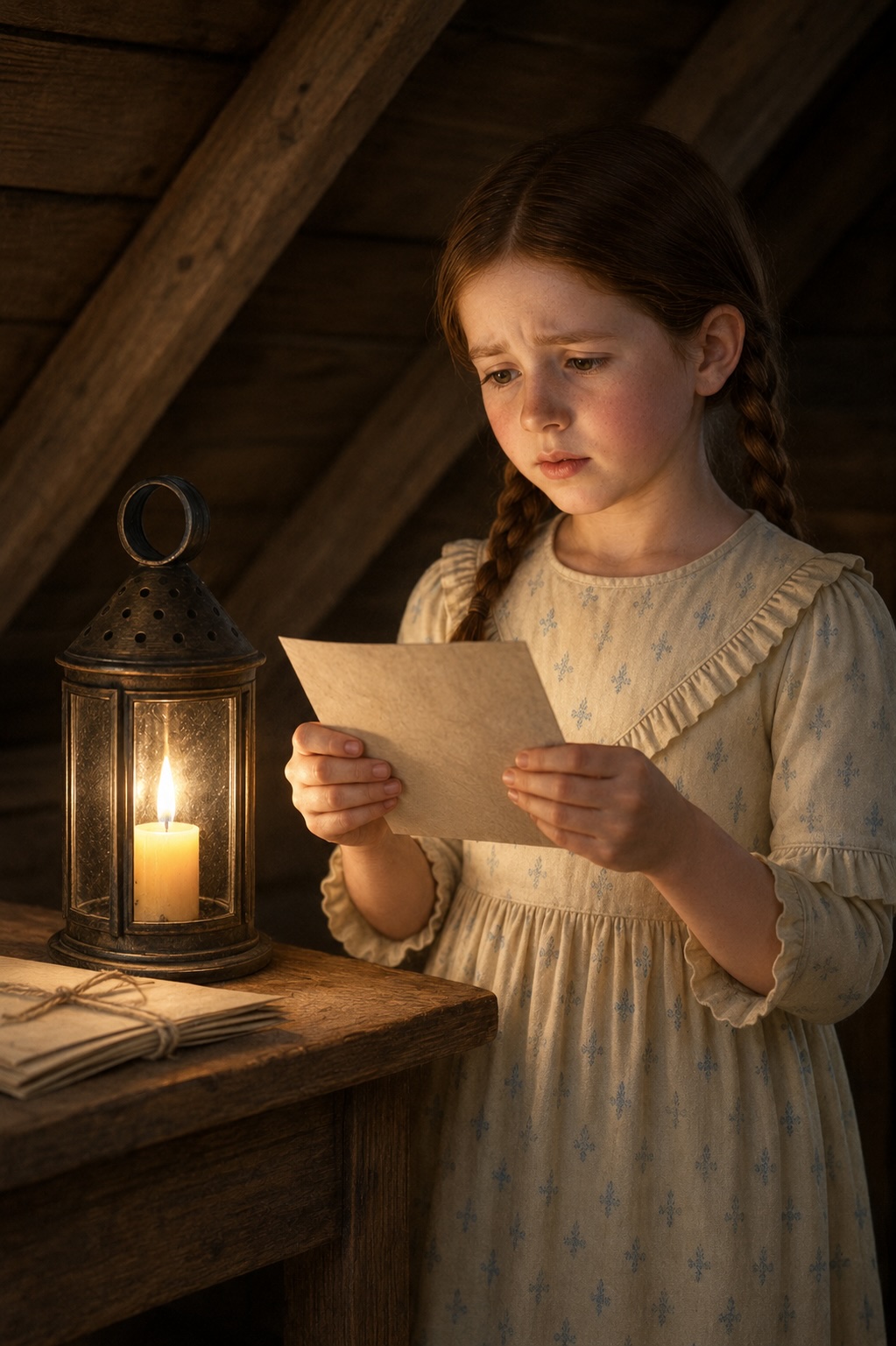
Louisa Prescott
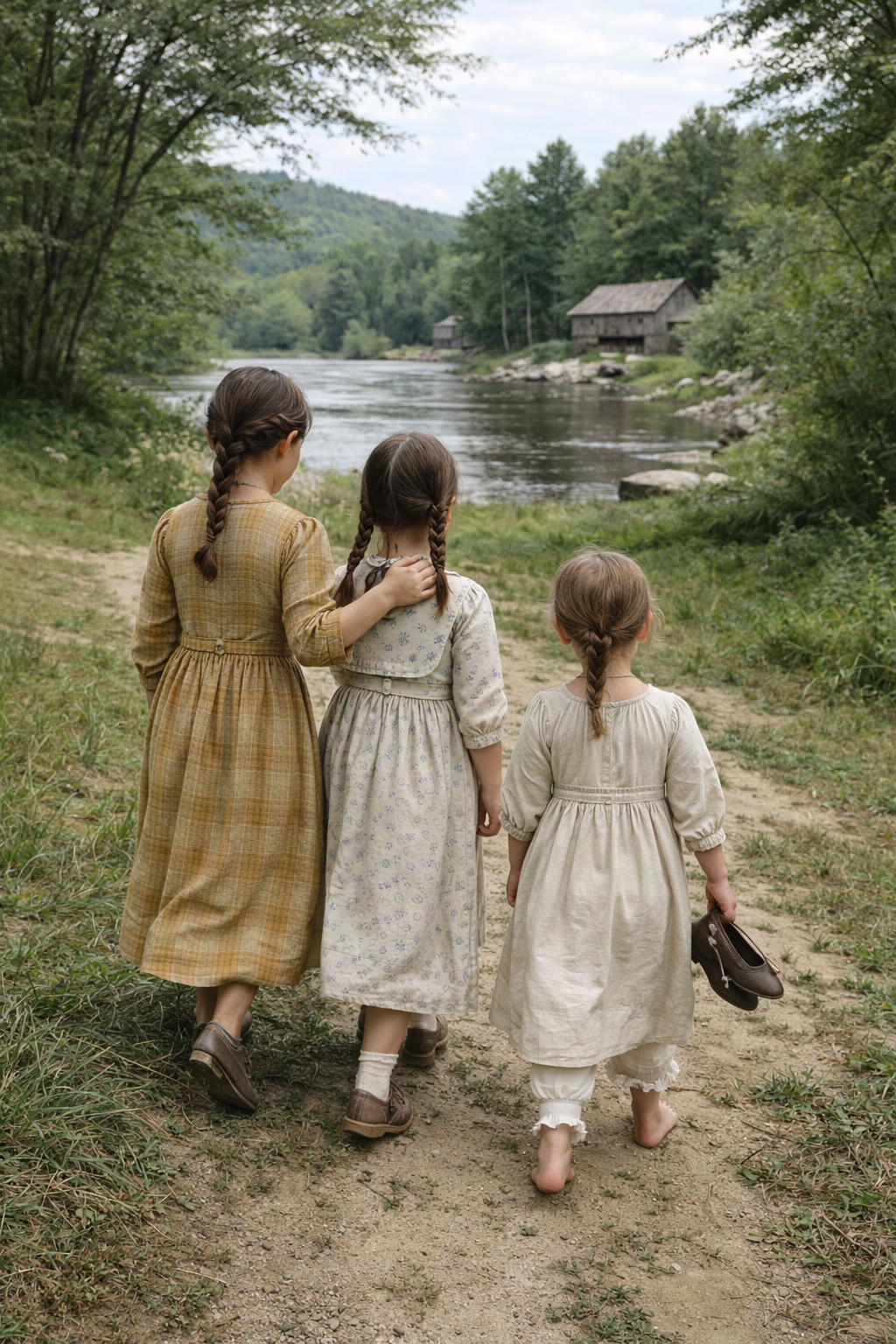
Louisa is the middle of the three Prescott Girls. Genealogical research found that later in life she married William Jackson Canby, grandson of Betsy Ross.
William grew up hearing the stories of his grandmother and in the 1870's he presented his findings to the Historical Society of Philadelphia. These became the basis of the Betsy Ross legend we know today.
.jpg)
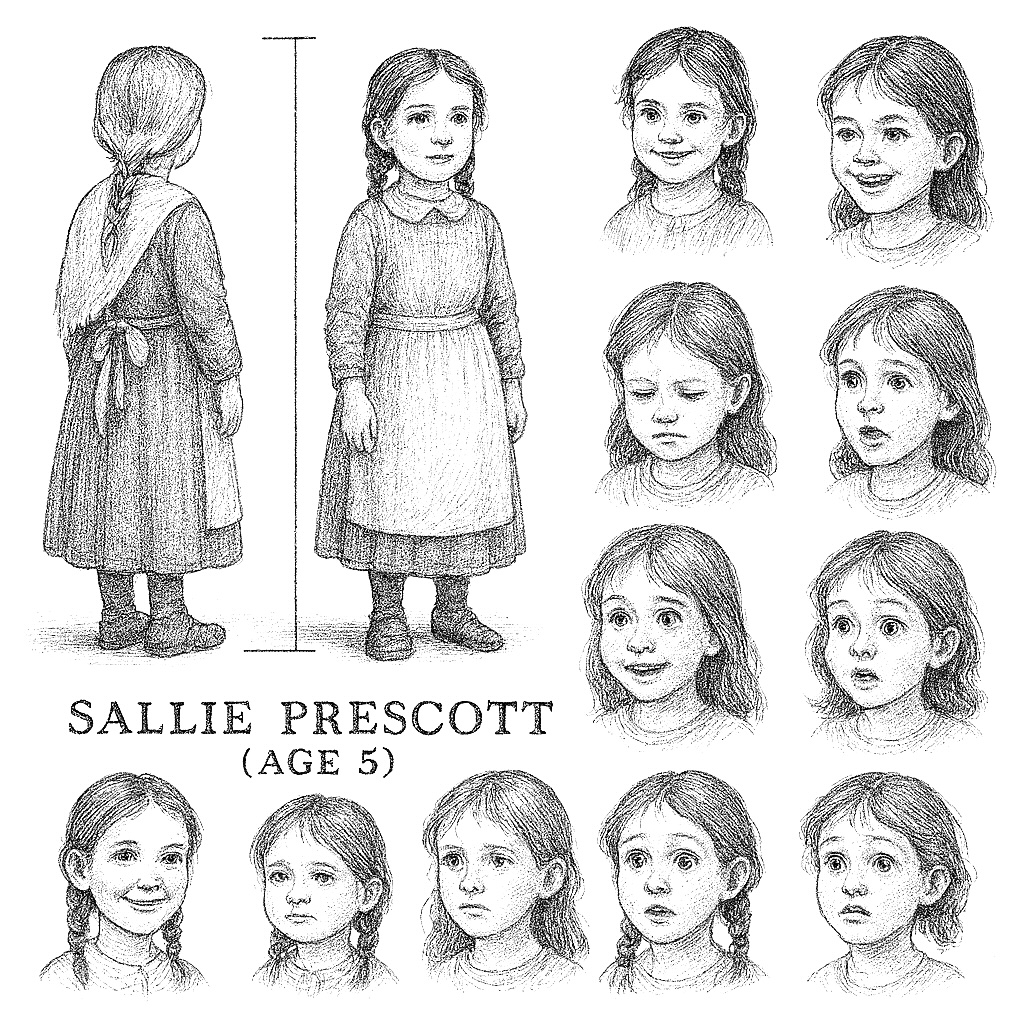
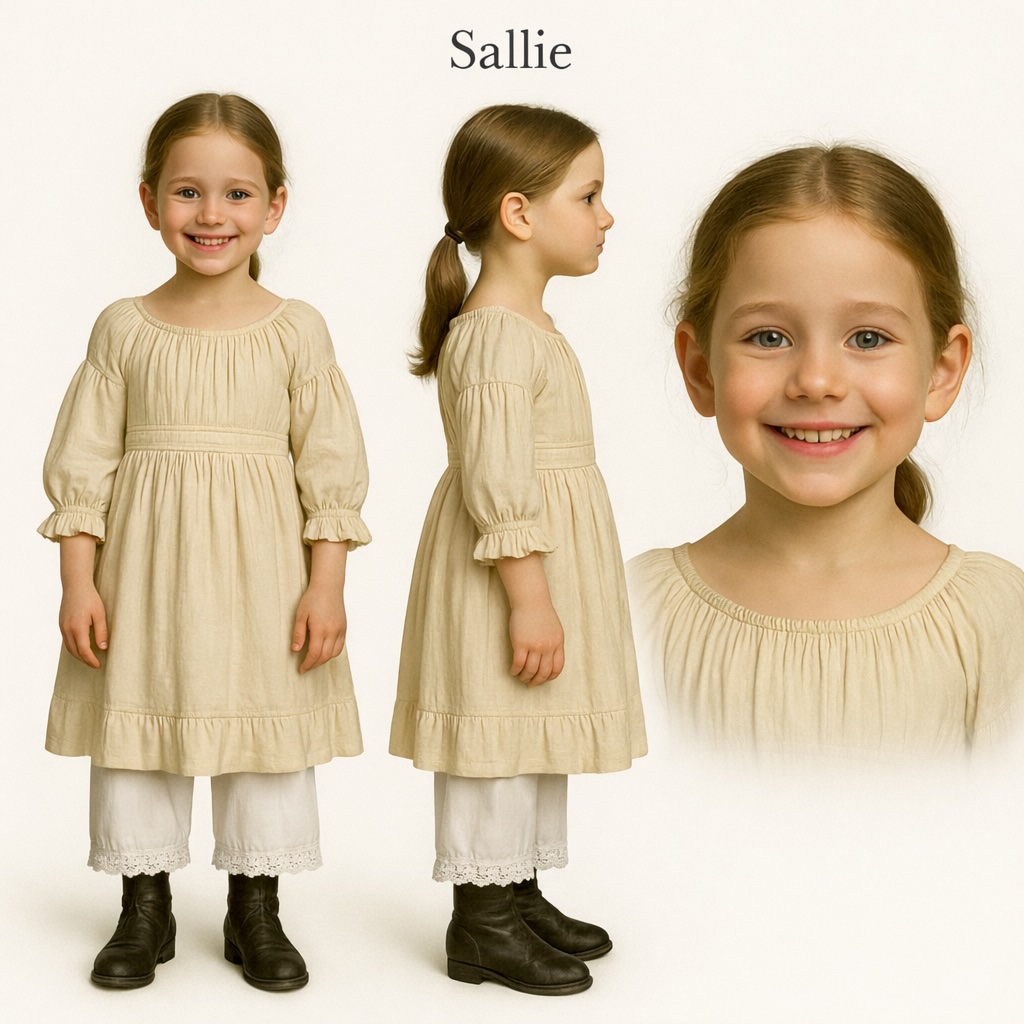
Sallie Prescott
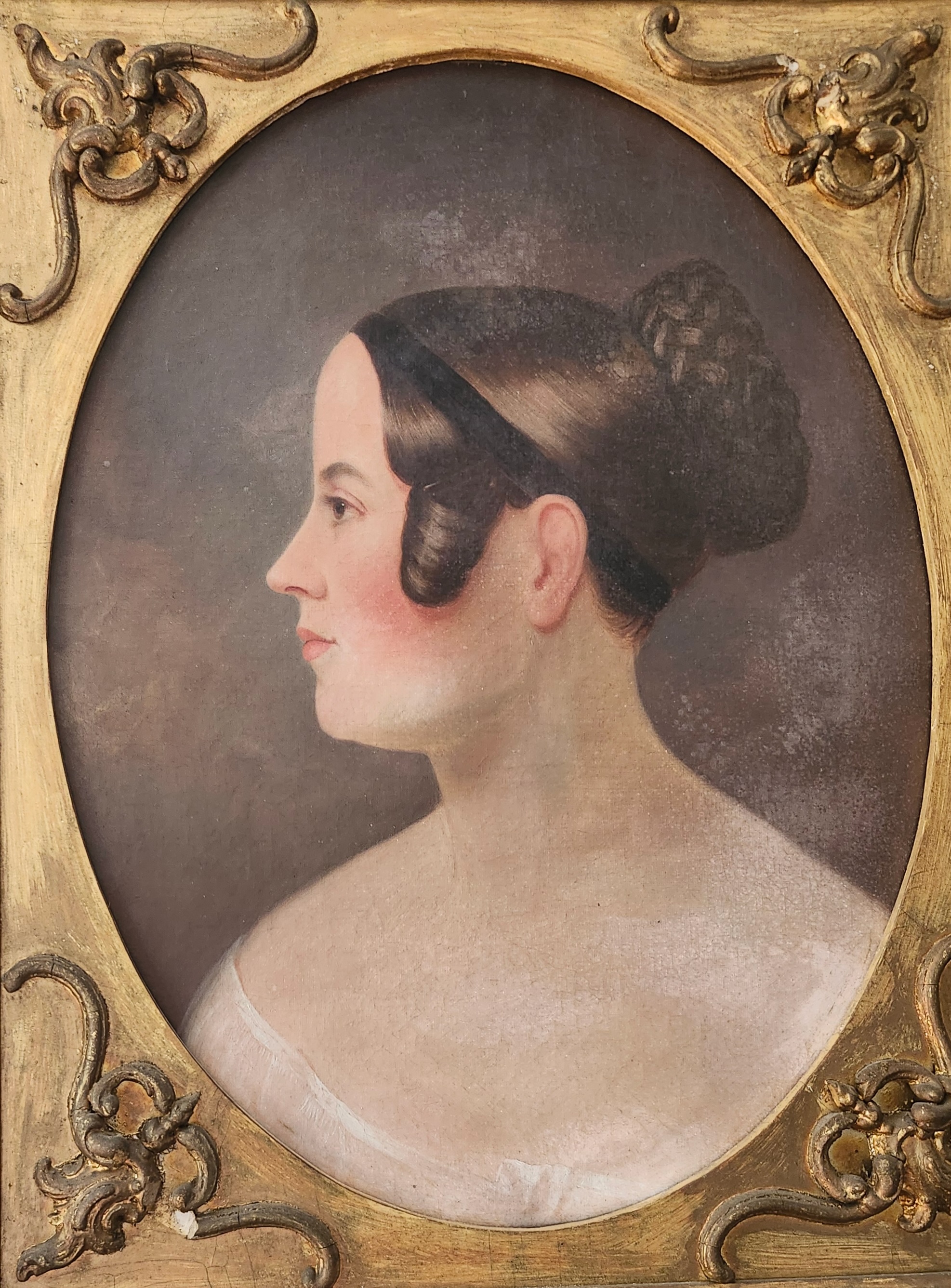
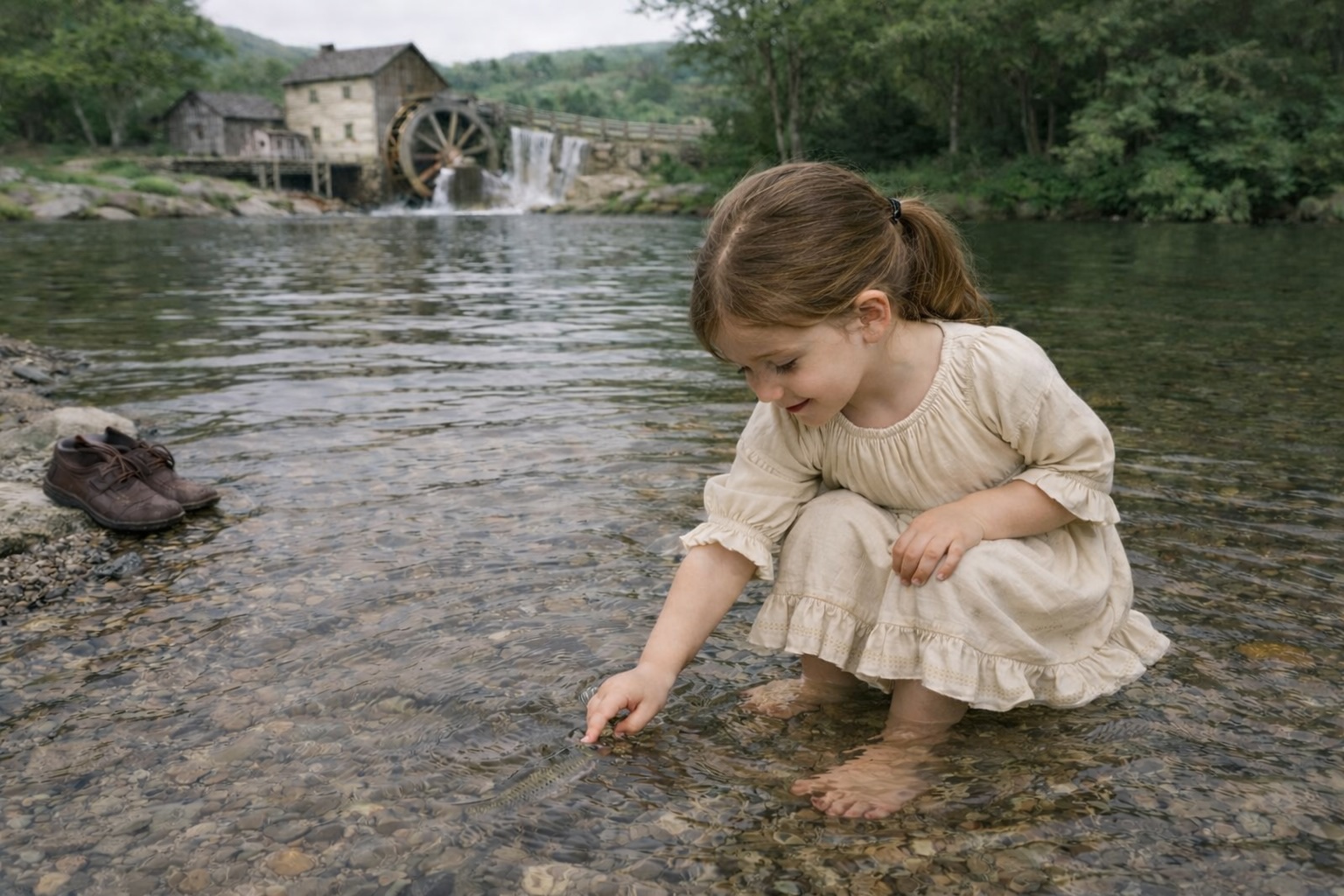
As with Beckie, Sallie’s appearance and clothing were guided by her surviving portrait, photographs, and documented period garments, adapted to reflect her age and role within the family.
Sallie’s scenes shift the focus from object to lived experience, showing how the same methods extend beyond artifacts into daily life.
Reconstructing a Historical Figure
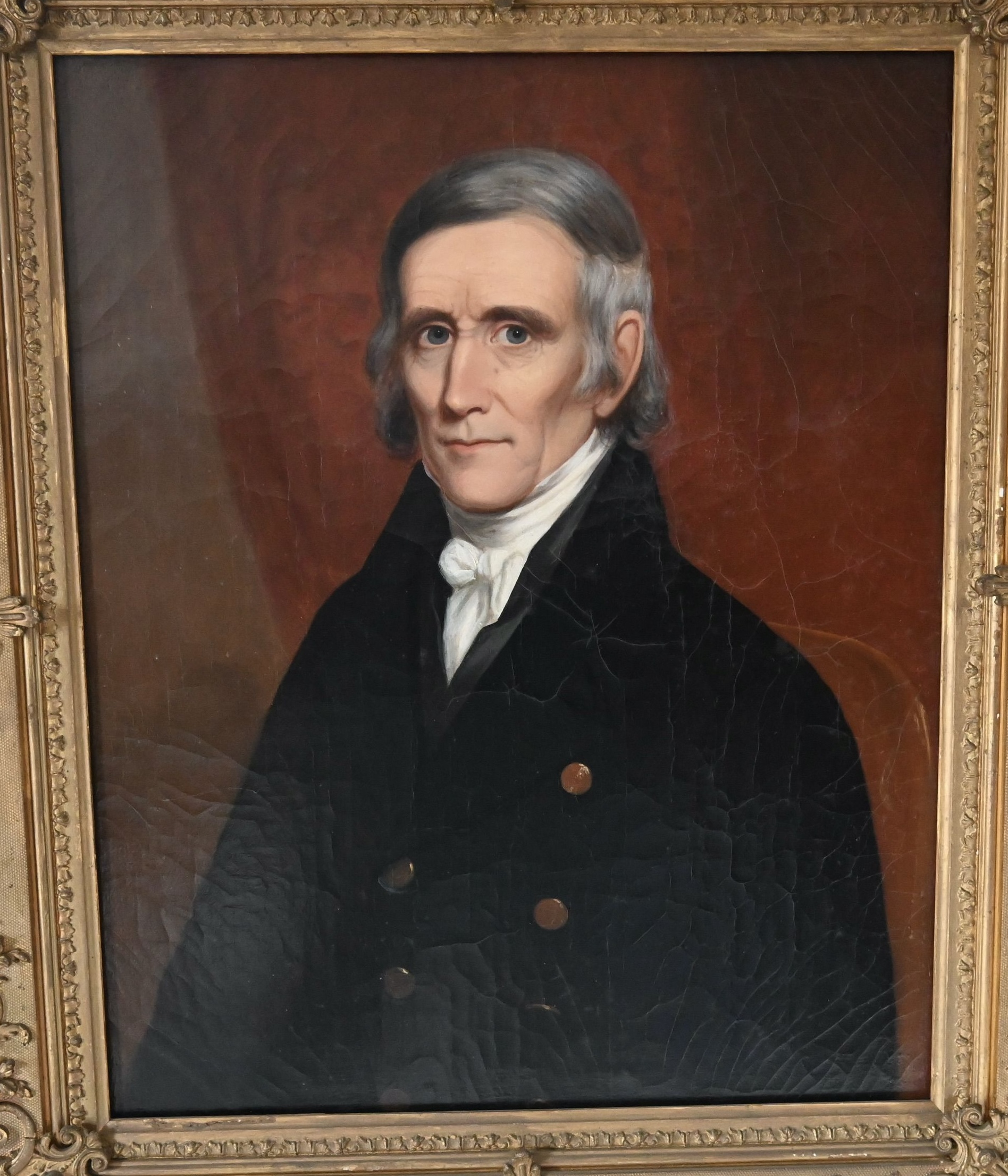
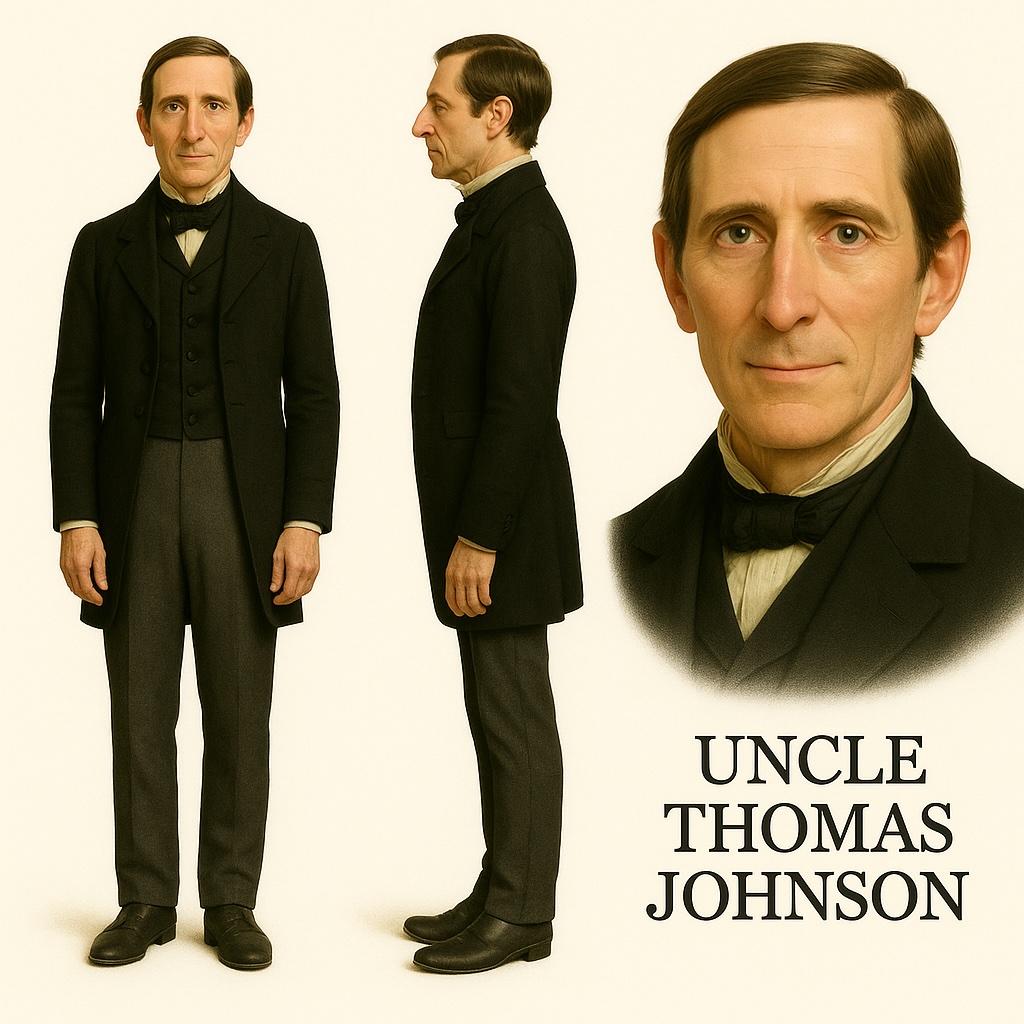
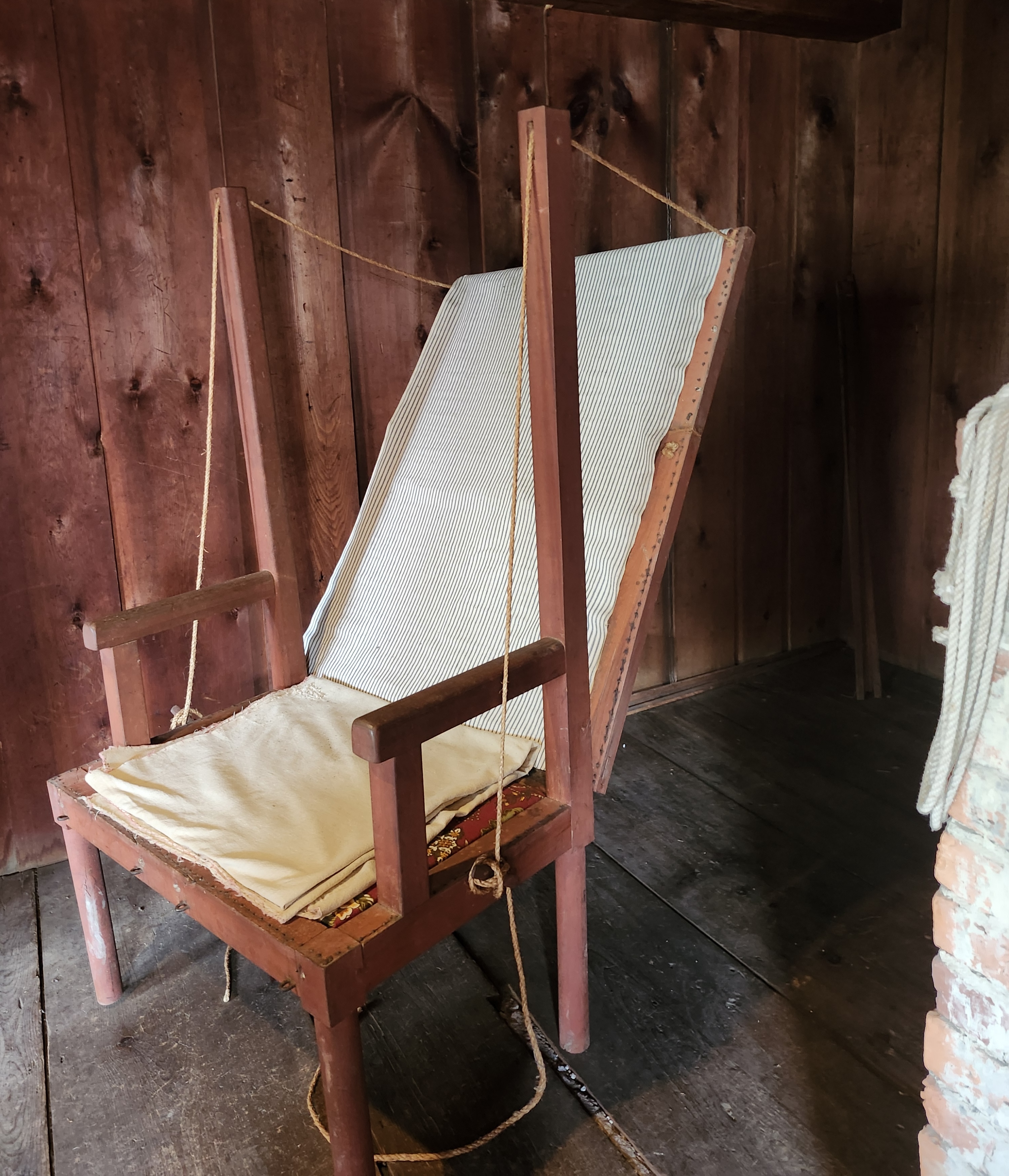
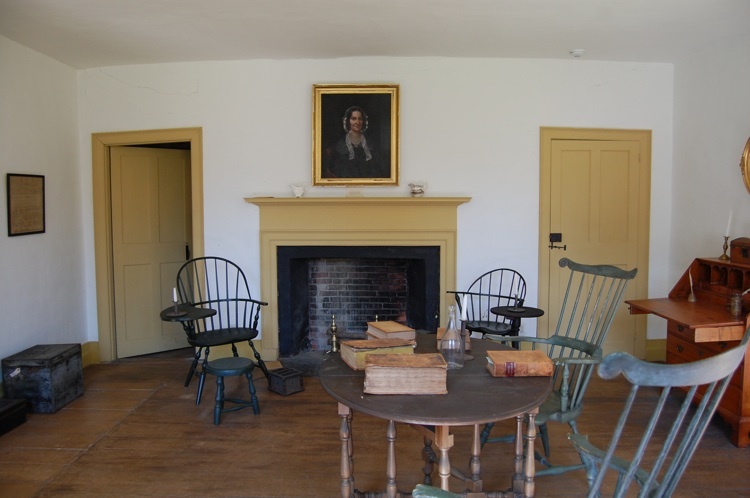
This approach extends beyond individual figures to more complex reconstructions involving multiple sources.
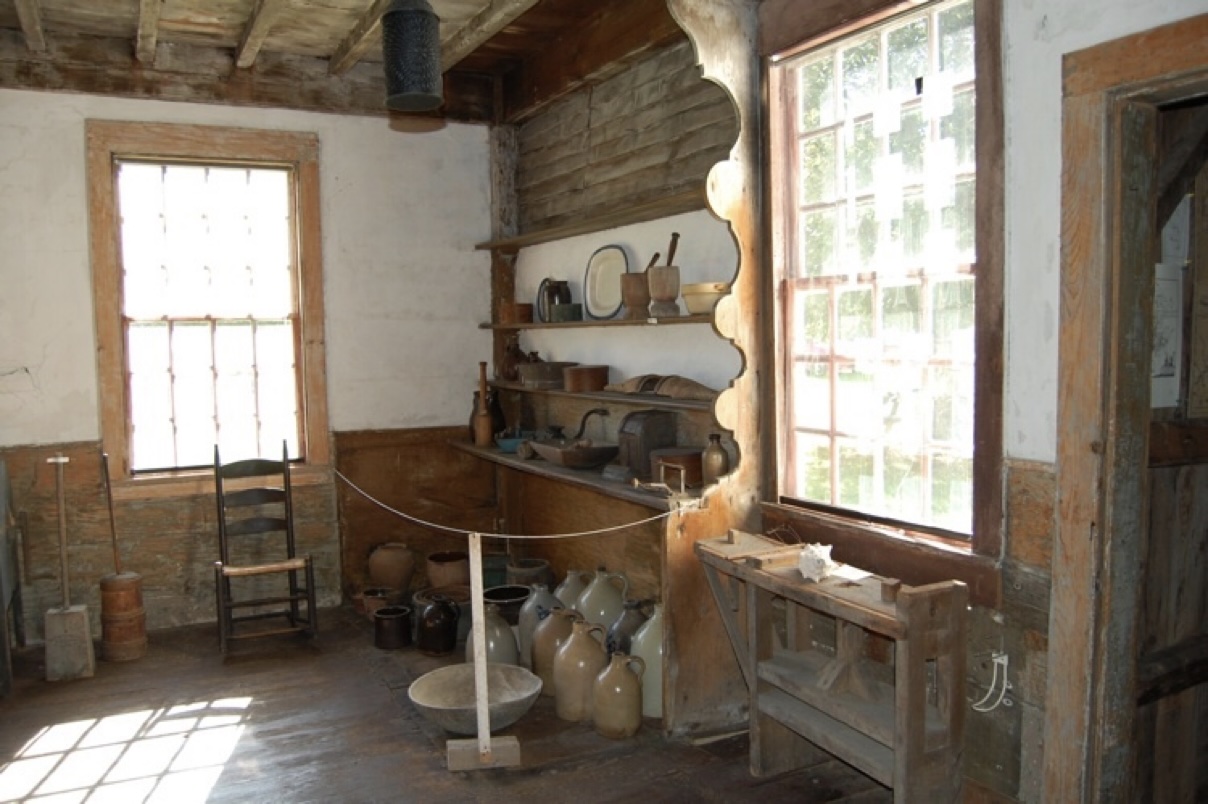
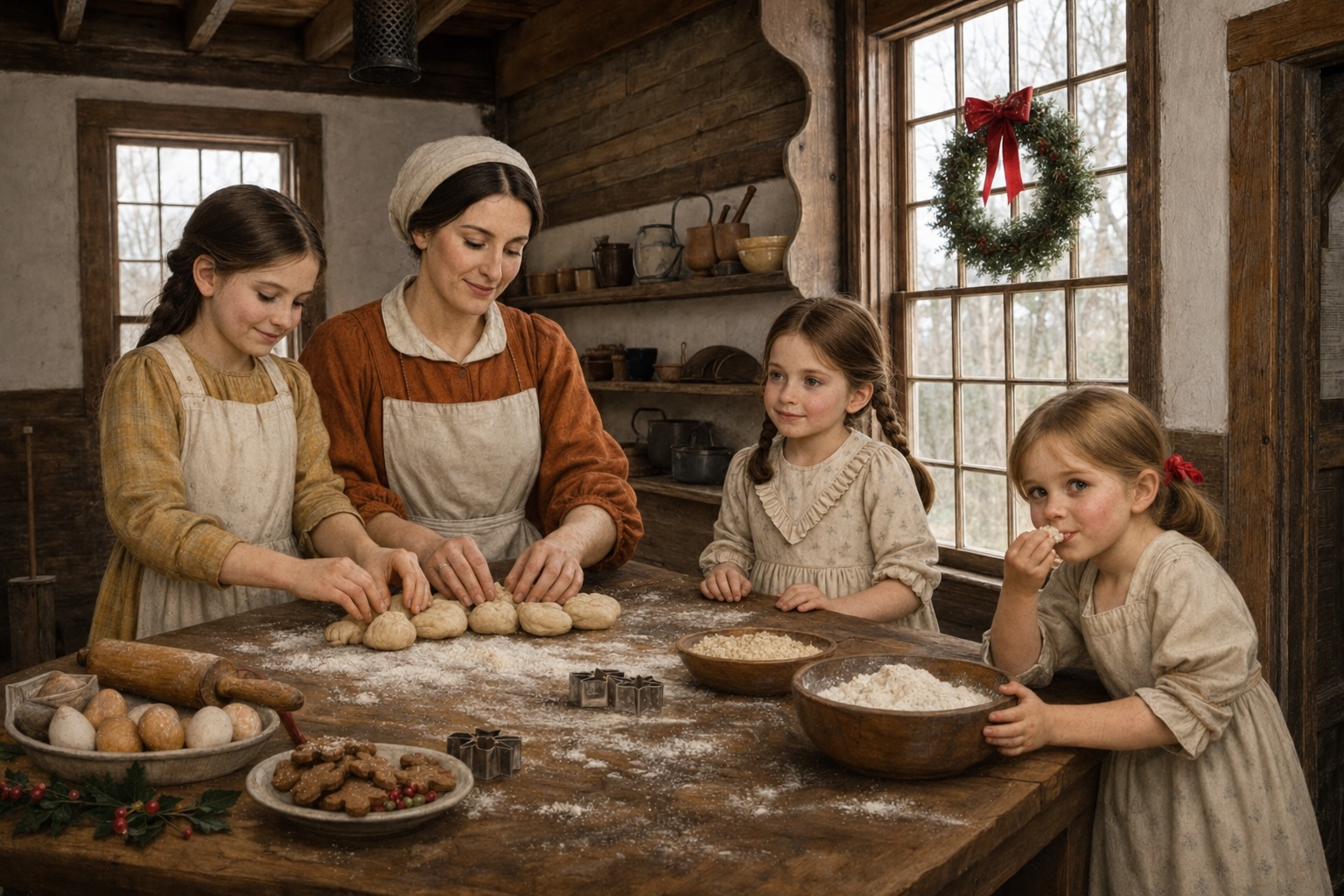
Not all references came from a single source. In some cases, multiple pieces, a portrait, surviving furniture, and architectural spaces, were brought together to reconstruct a moment grounded in real objects and environments.
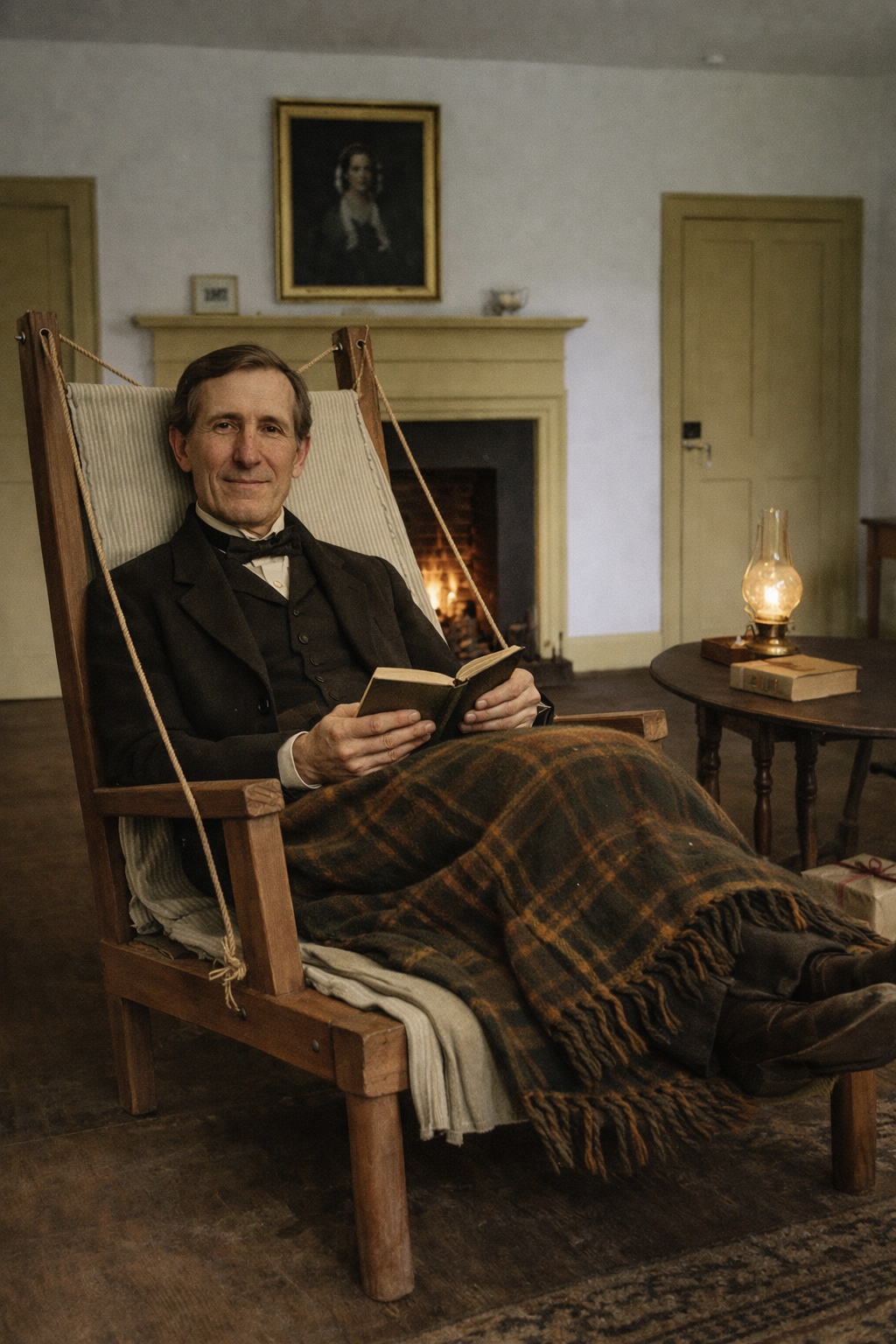
From Object to Experience
This method also applies to objects, connecting preserved artifacts to the lived experiences they once supported.
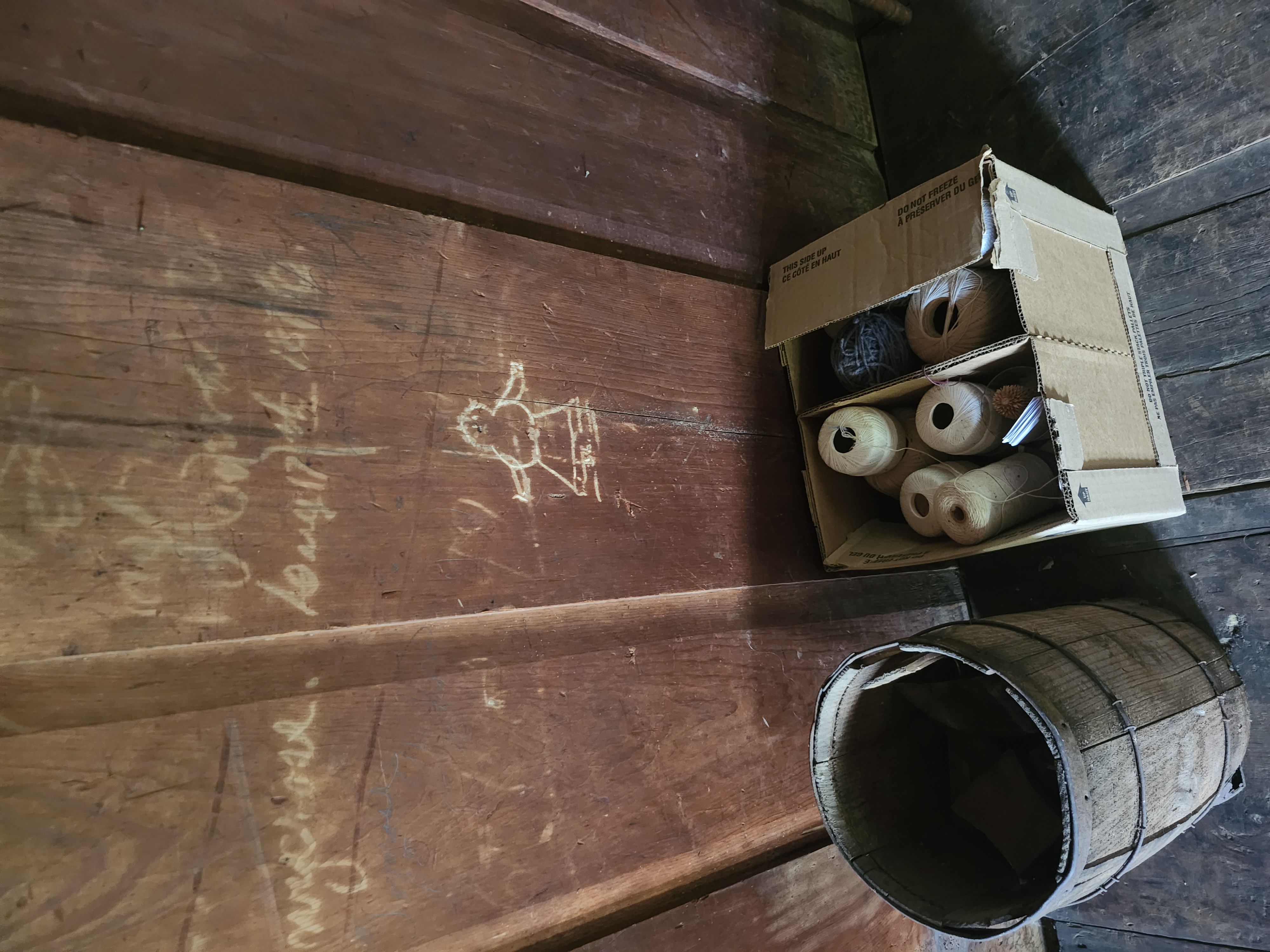
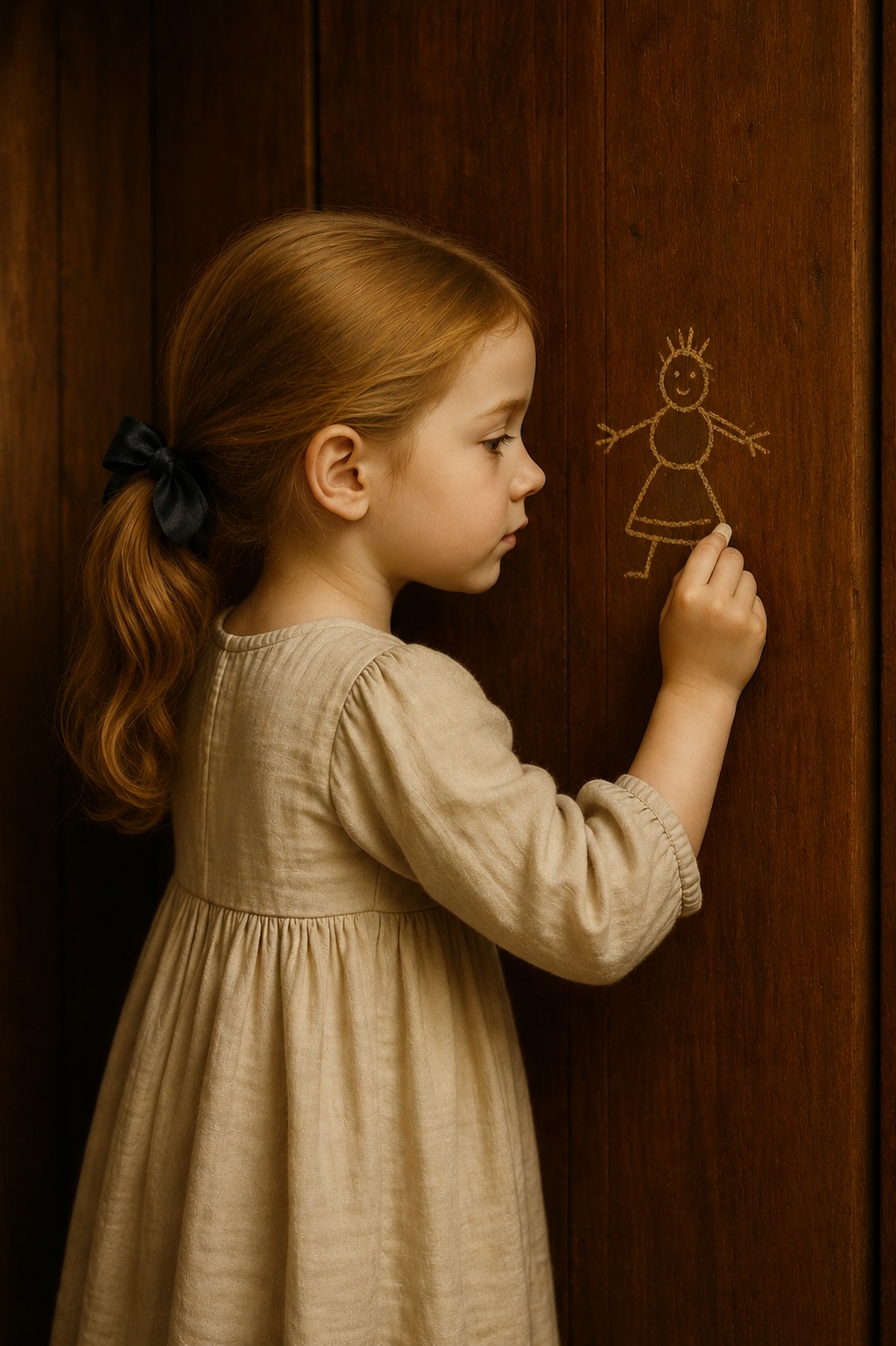
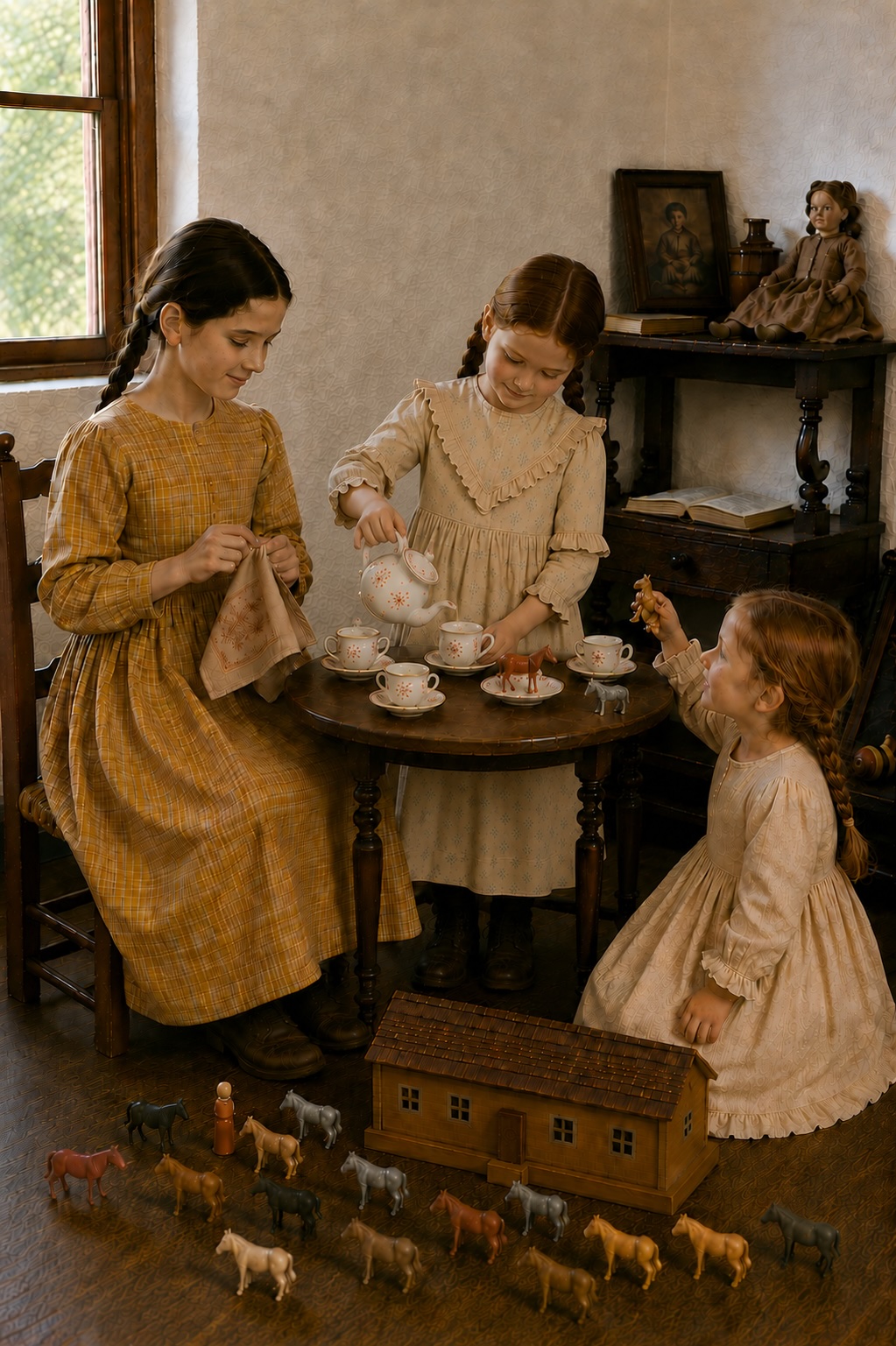
Not every object tells its story on its own. Some require interpretation, connecting a surviving artifact to how it might have been used in daily life.
A sled preserves its form, but not the moment. AI makes it possible to explore that missing human connection, helping visualize how such objects may have been used nearly two centuries ago.
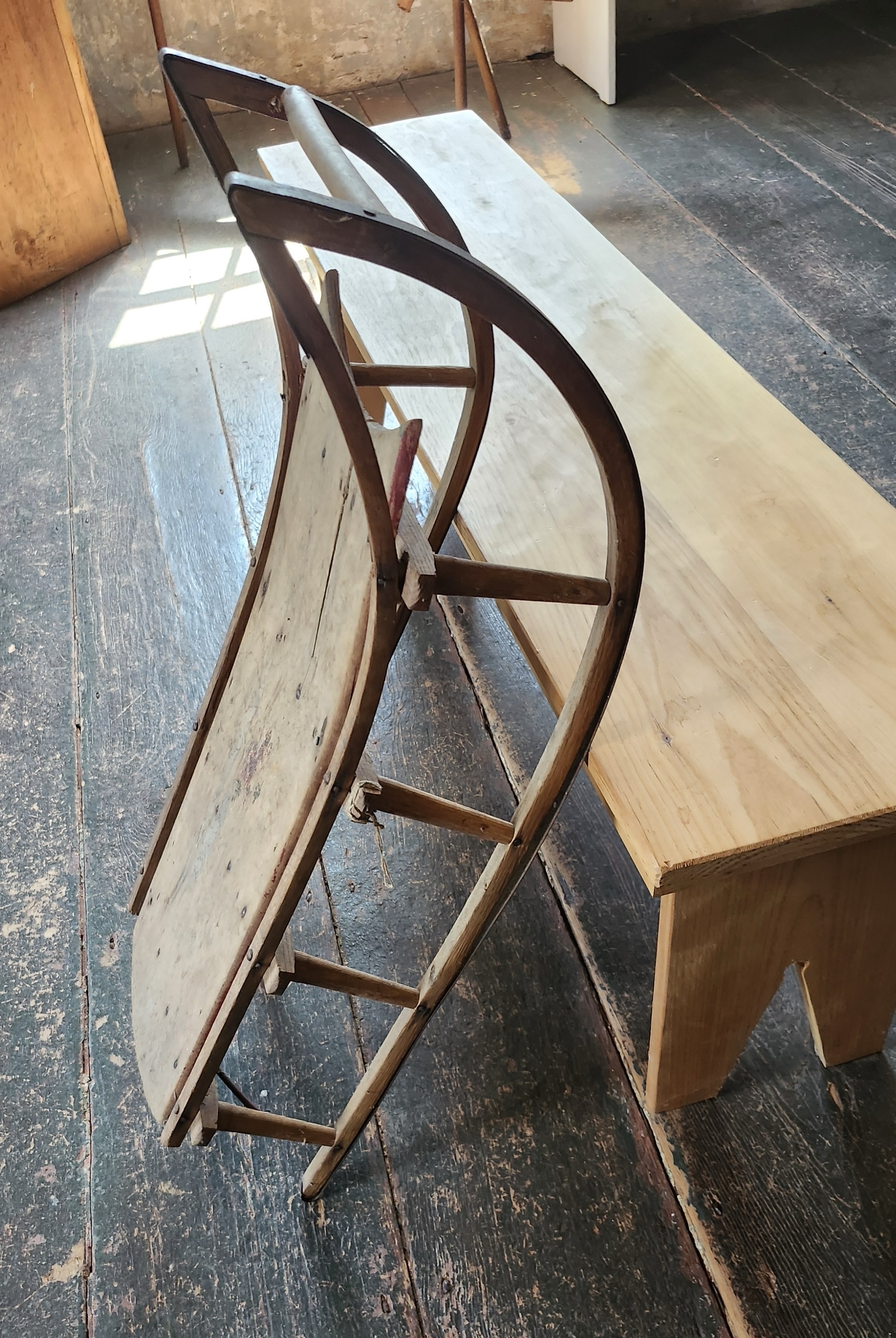
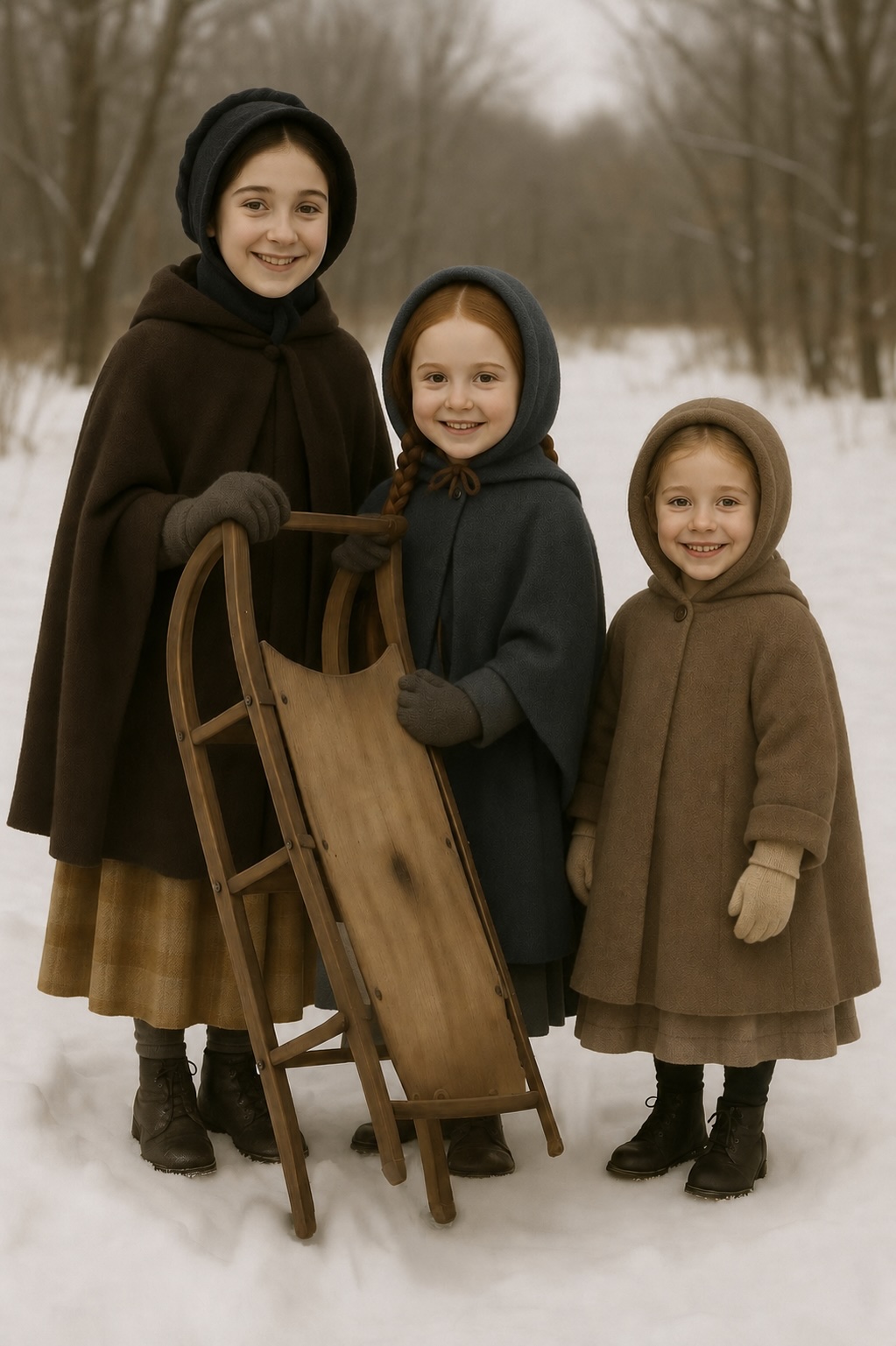
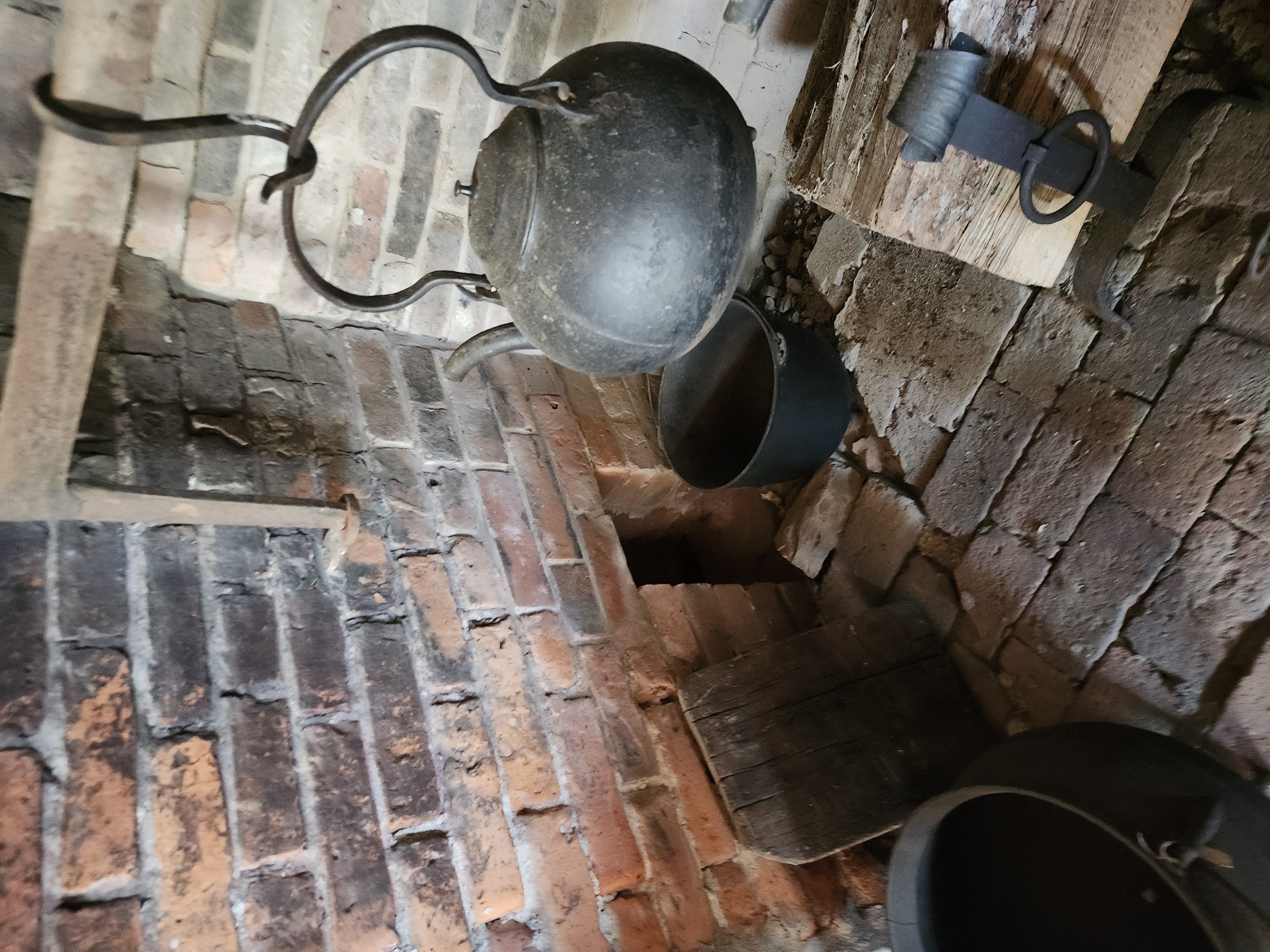
Visualizing a Question
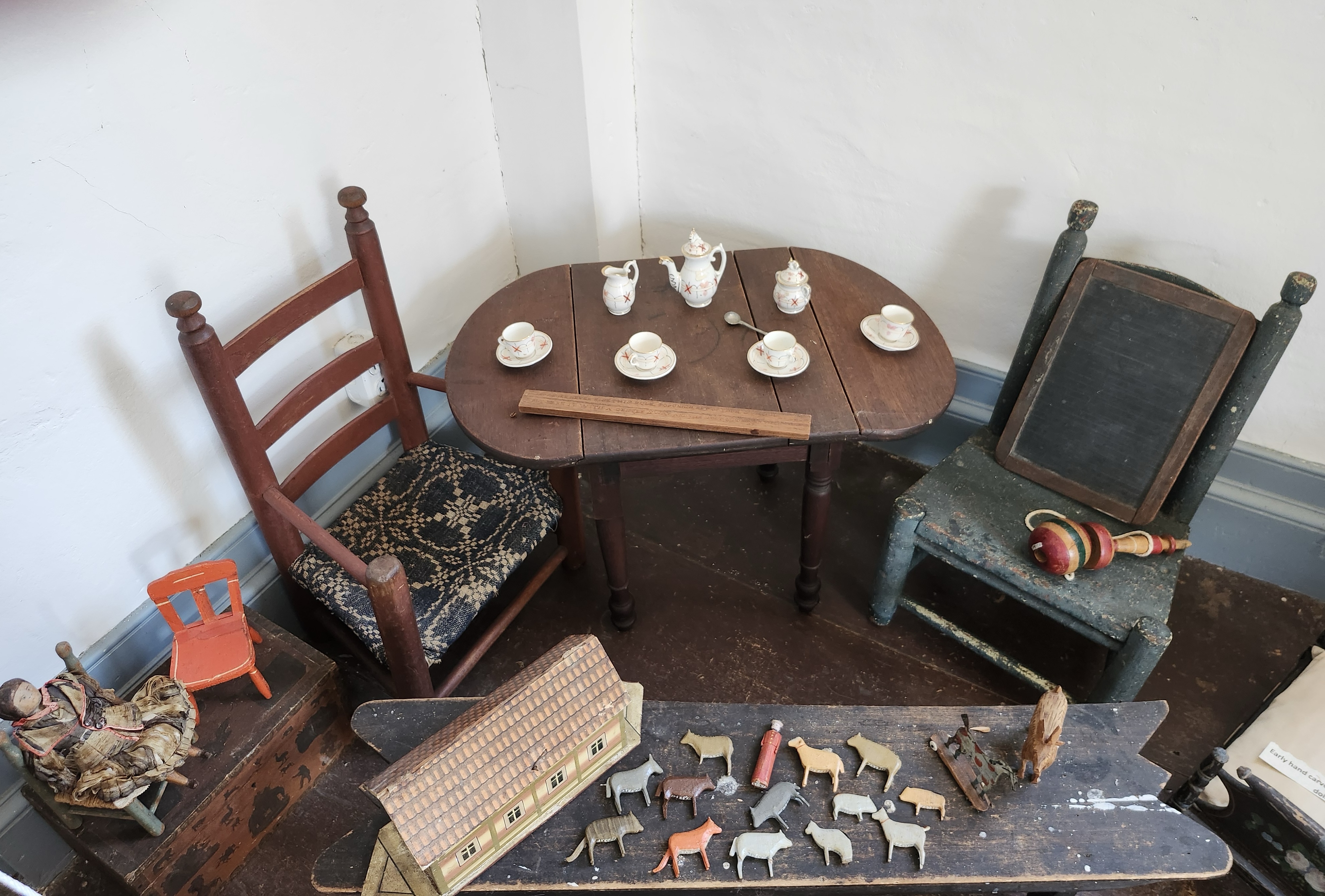
Historical objects do not always tell us how they were used together. They leave behind clues, not complete scenes.
Reconstructing Historic Spaces
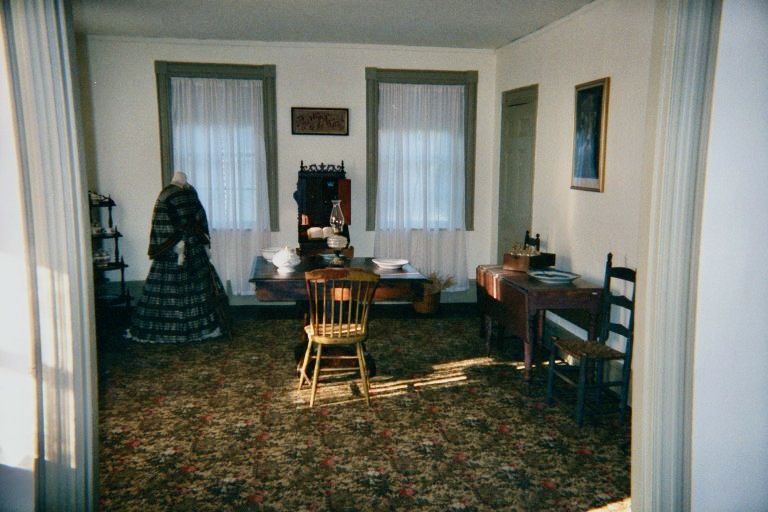
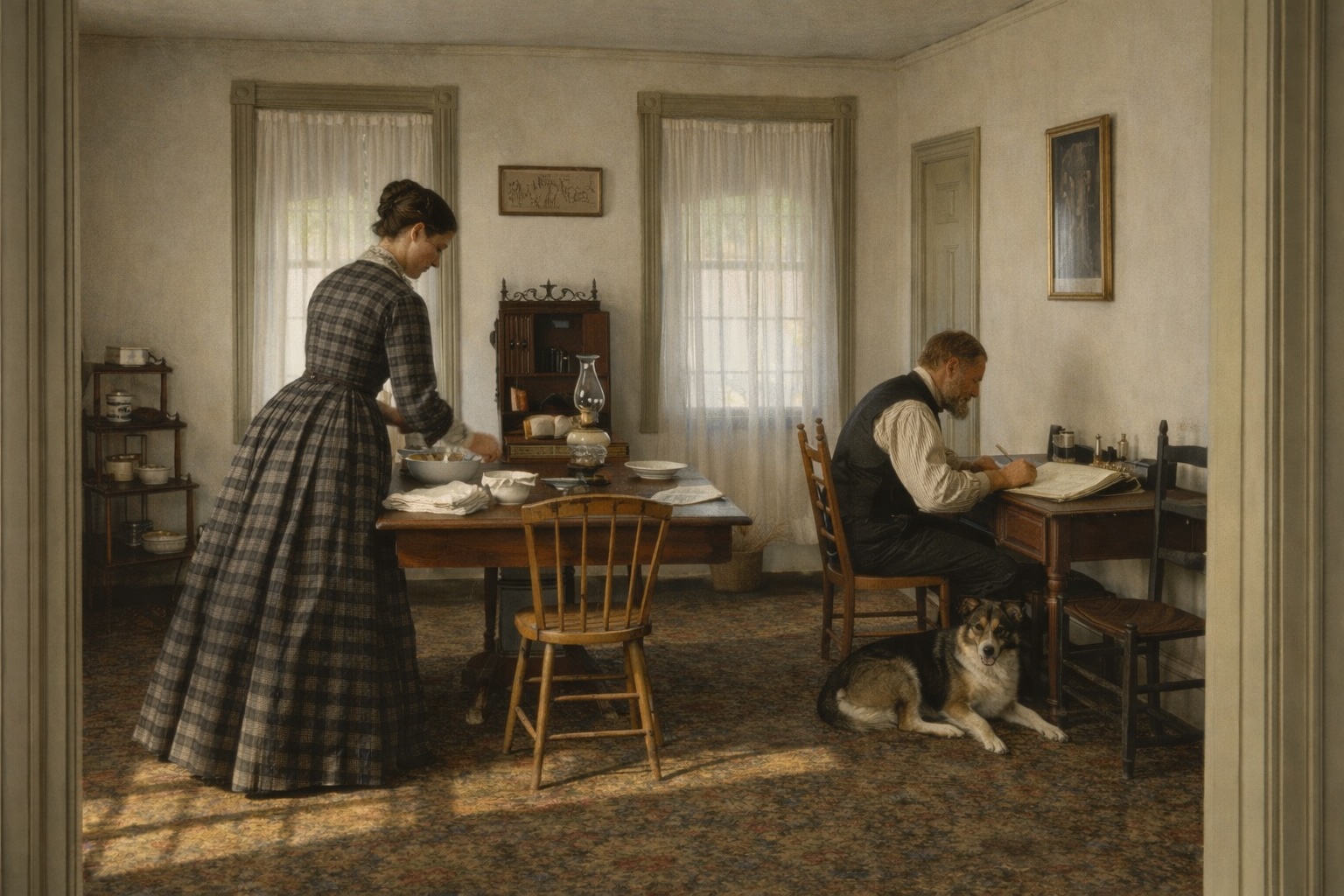
These methods can also be applied beyond a single family or narrative, helping preserved historic interiors reconnect with the people who once inhabited them.
By combining surviving architecture, furnishings, and historical context with AI-assisted visualization, museum spaces can be explored not only as preserved rooms, but as lived environments.
Interpretation, Not Invention
AI made it possible to iteratively construct and refine evidence based scenes, allowing each detail to be tested against real evidence in ways not practical through traditional illustration alone.
Used in this way, AI becomes a tool for exploration rather than invention, helping ask what could have been, and more importantly, why.
Each object connects to documented behavior: education, play, and moral instruction. The image is not an answer, but an invitation to ask better questions.
We do not recreate the past. We listen carefully, and imagine responsibly.
Why This Matters
Historical objects tell us what survives. Interpretation helps us understand how people may have lived with them.
These methods extend beyond a single project into broader applications for museum interpretation, material culture, public history, education, and digital exhibits.
The work has expanded into presentations at historical institutions, historically grounded illustrations, classroom resources, and published research surrounding the discovery and return of the Prescott family schoolgirl samplers.
By reconnecting preserved artifacts with lived experience, these methods can help students, museum visitors, and modern audiences engage more directly with historical context that might otherwise feel distant or abstract.
These images are not claims of fact, but invitations to look more closely, to ask better questions, and to engage with the past in thoughtful and meaningful ways.
The goal is not certainty, but better understanding.
Explore the Interpretations Gallery
The examples on this page represent only a small portion of the historical interpretations created during this project. Visit the Interpretations Gallery to explore additional museum photographs paired with historically grounded AI-assisted interpretations, each inspired by surviving artifacts, architecture, clothing, photographs, and documentary research.
Image & Research Credits
Selected images draw upon garments in the Historic Textile & Costume Collection at the University of Rhode Island. Background interiors from the Pownalborough Court House are courtesy of the Lincoln County Historical Association.