The Prescott Girls

Illustrations

About the Images

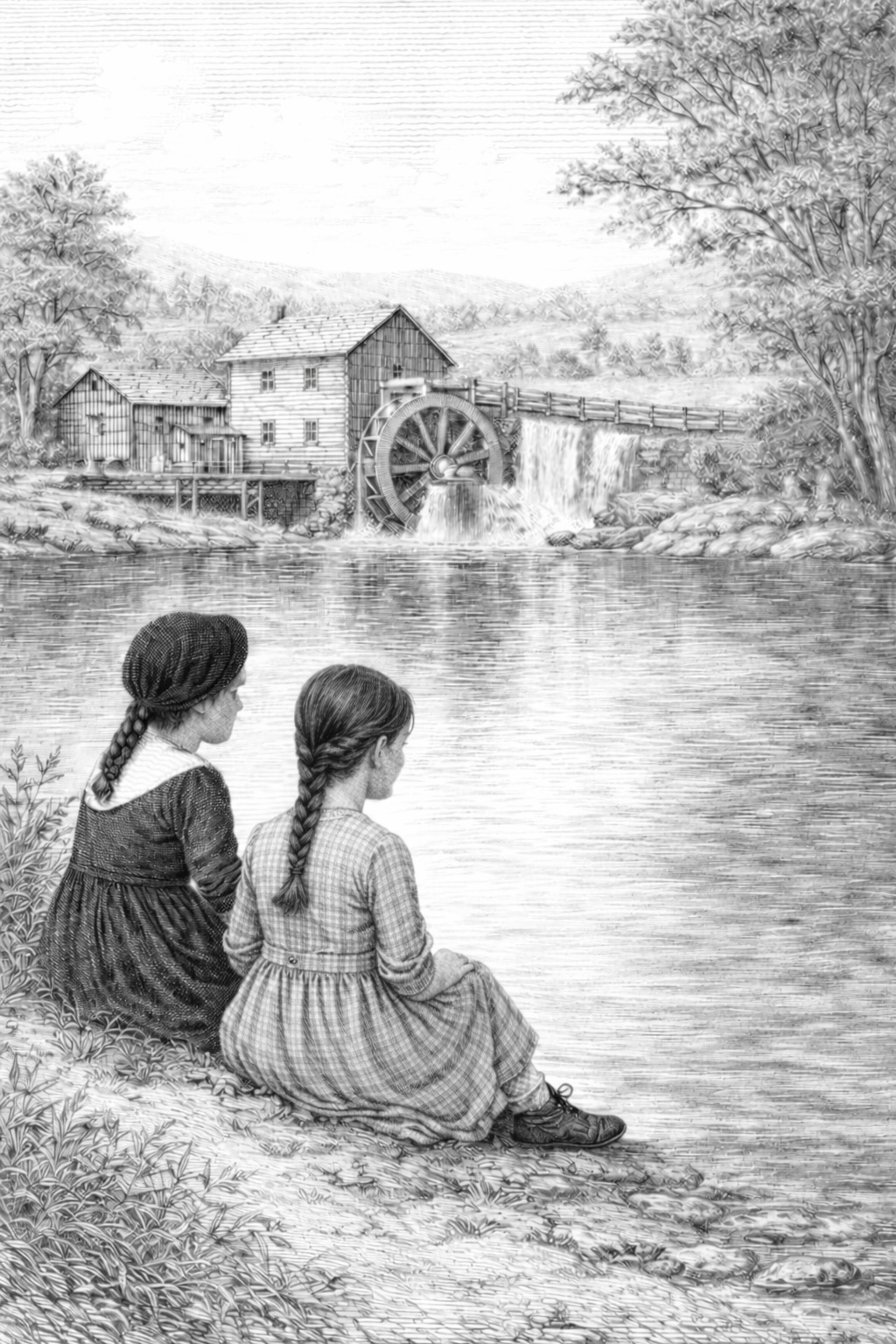
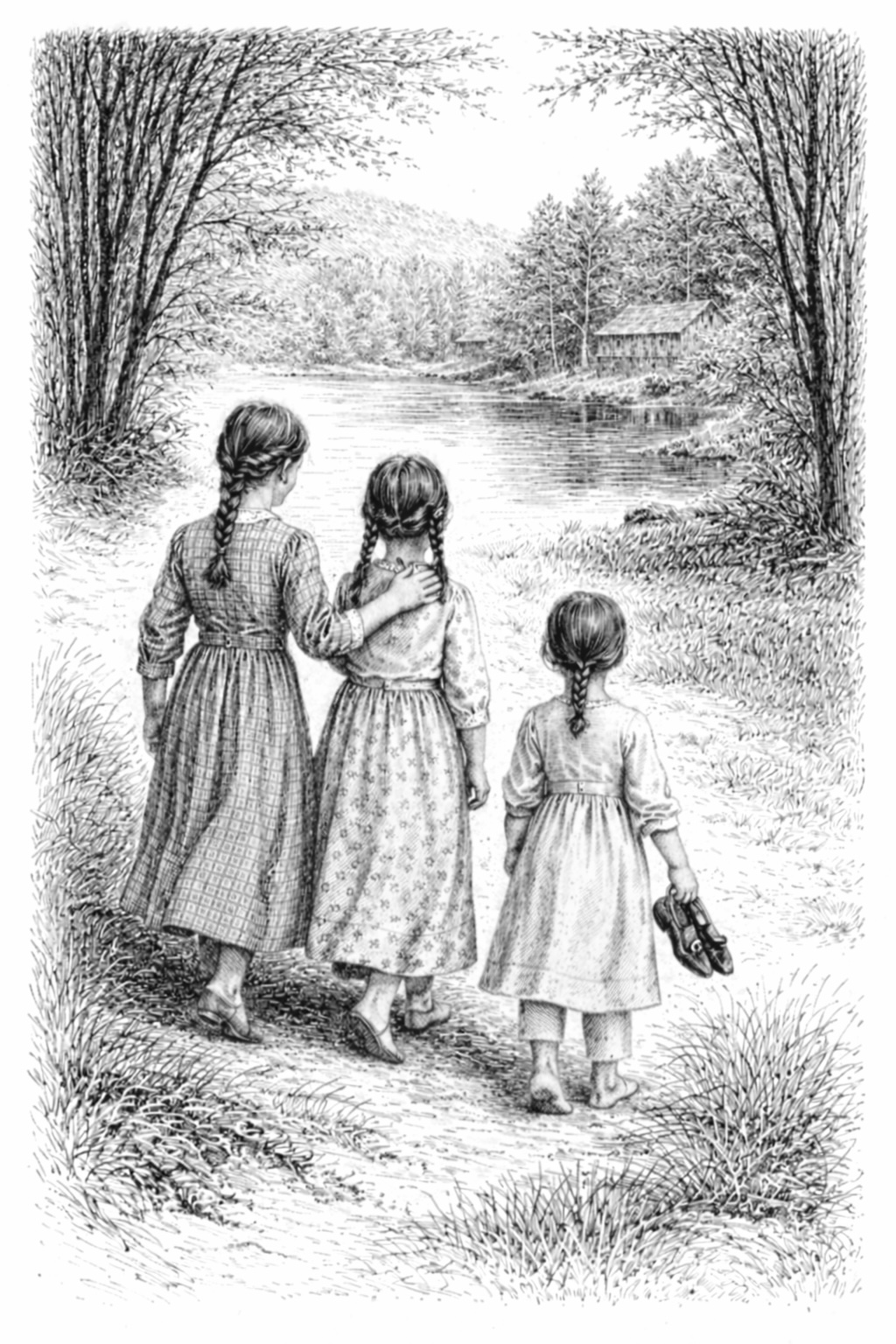
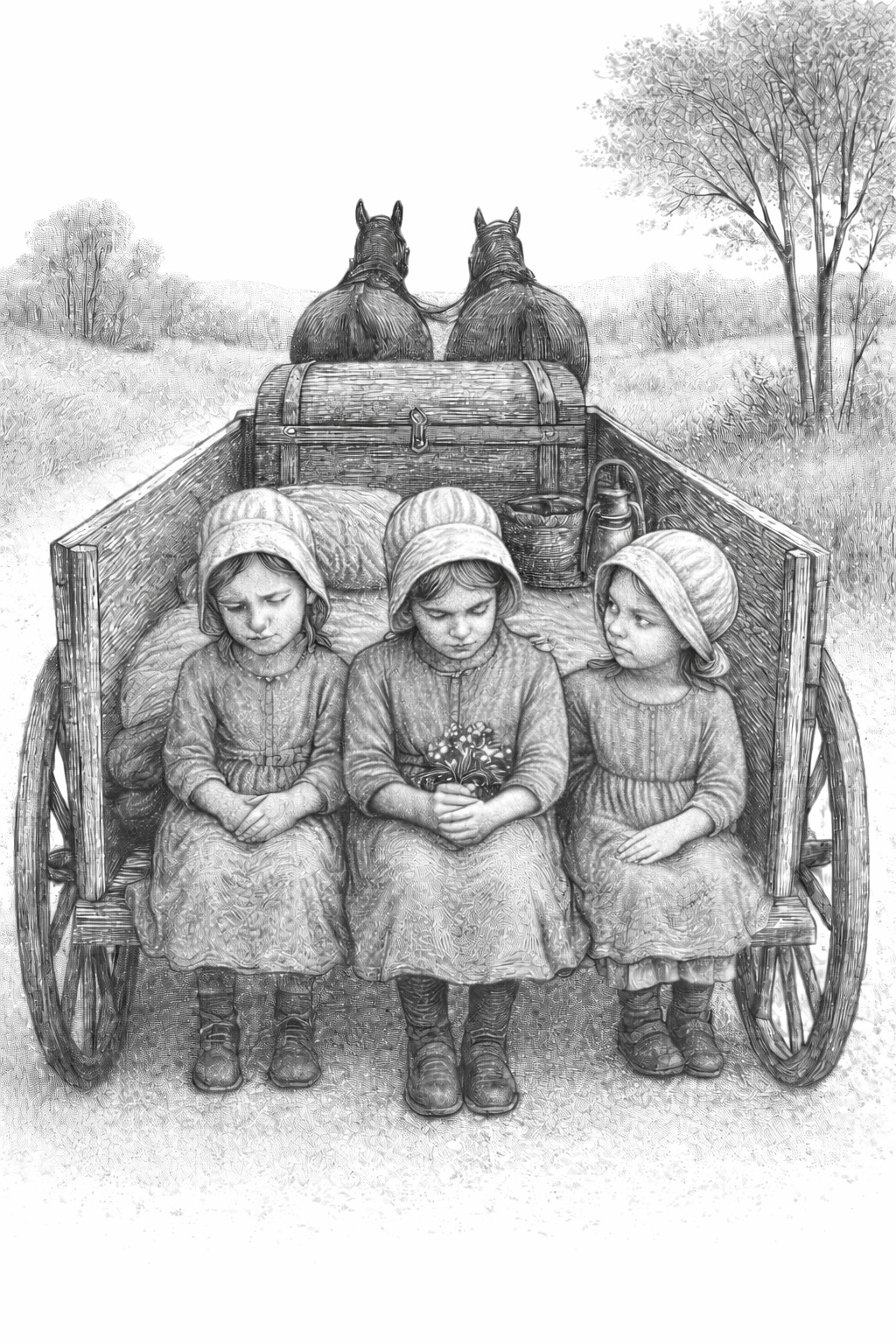
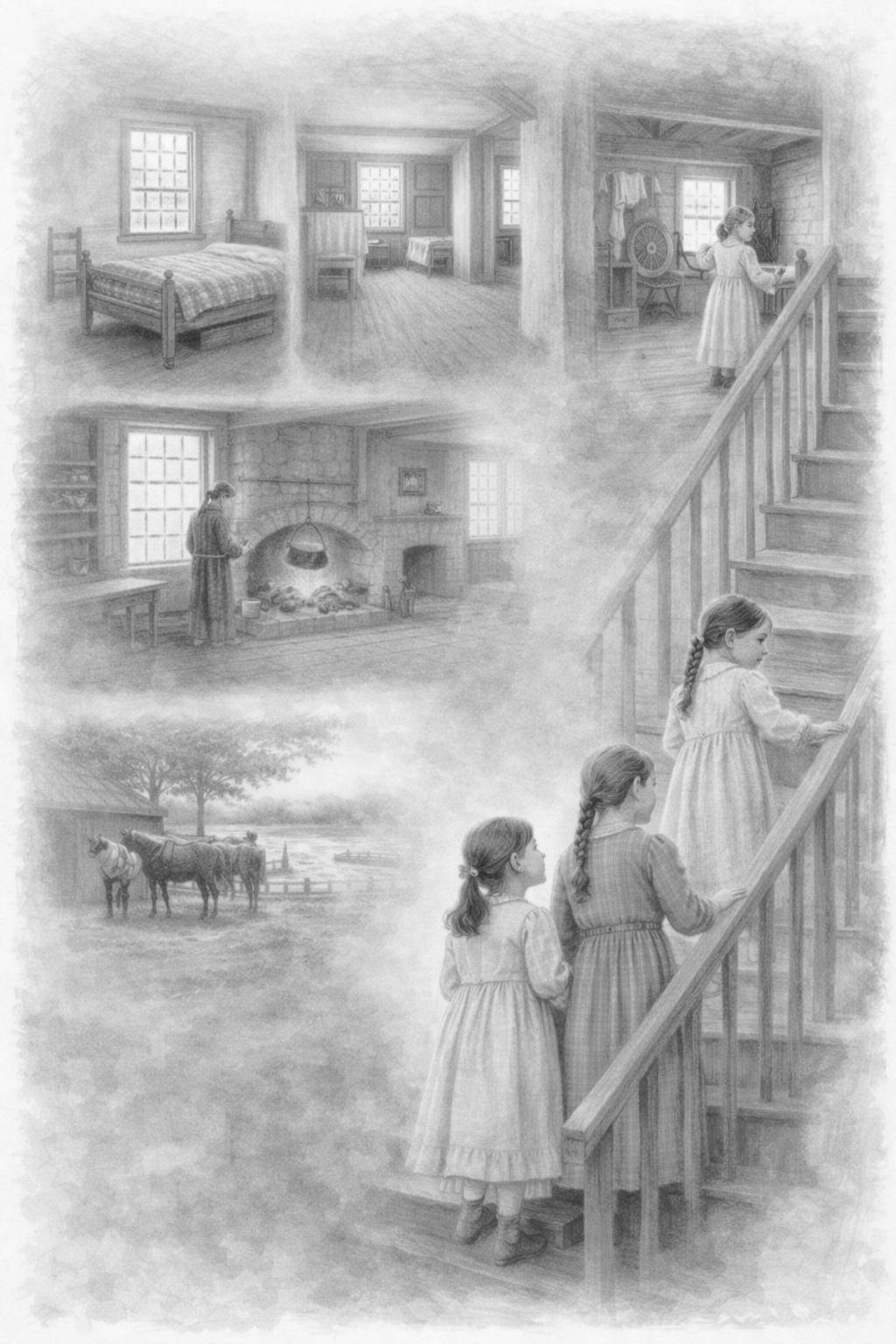
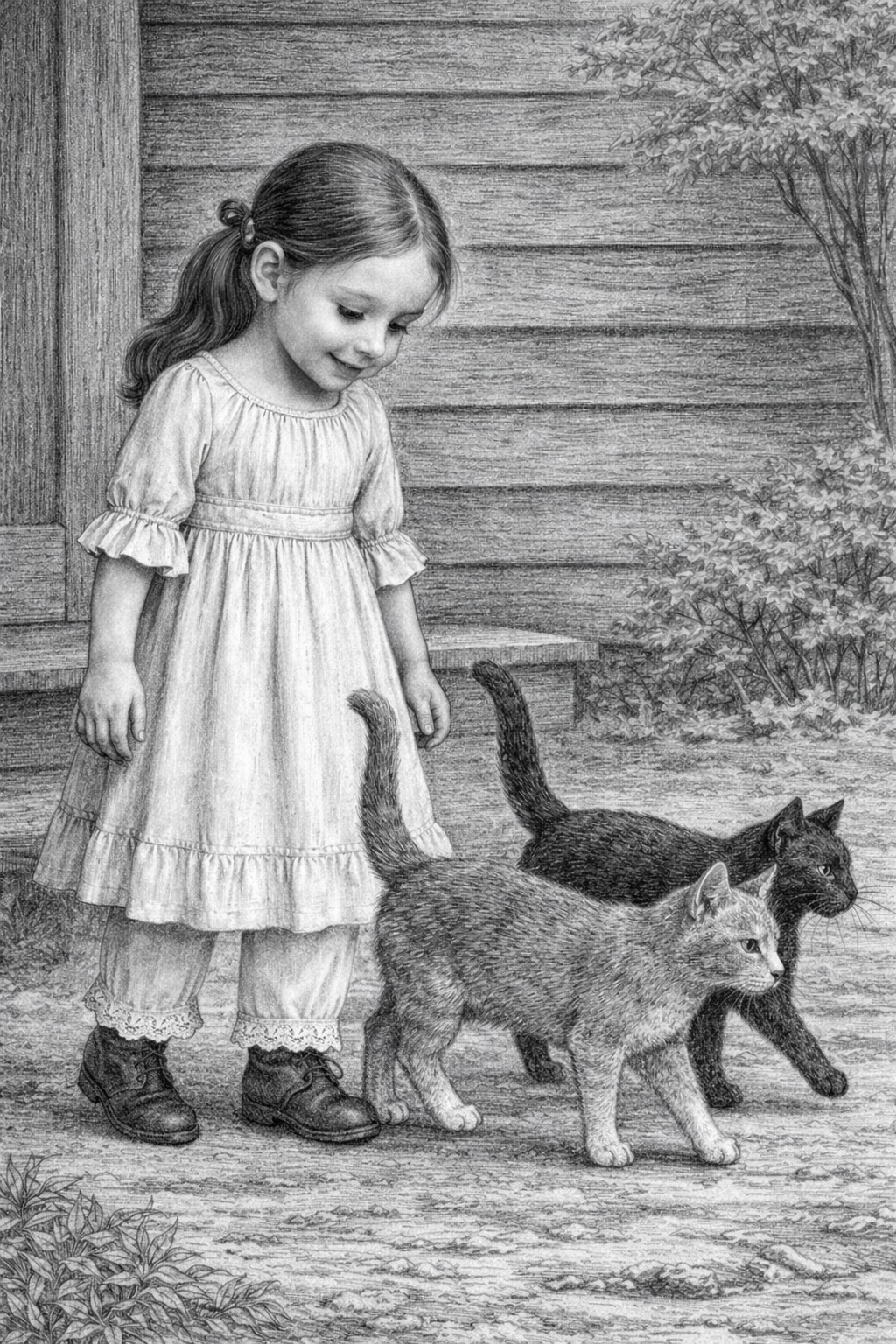
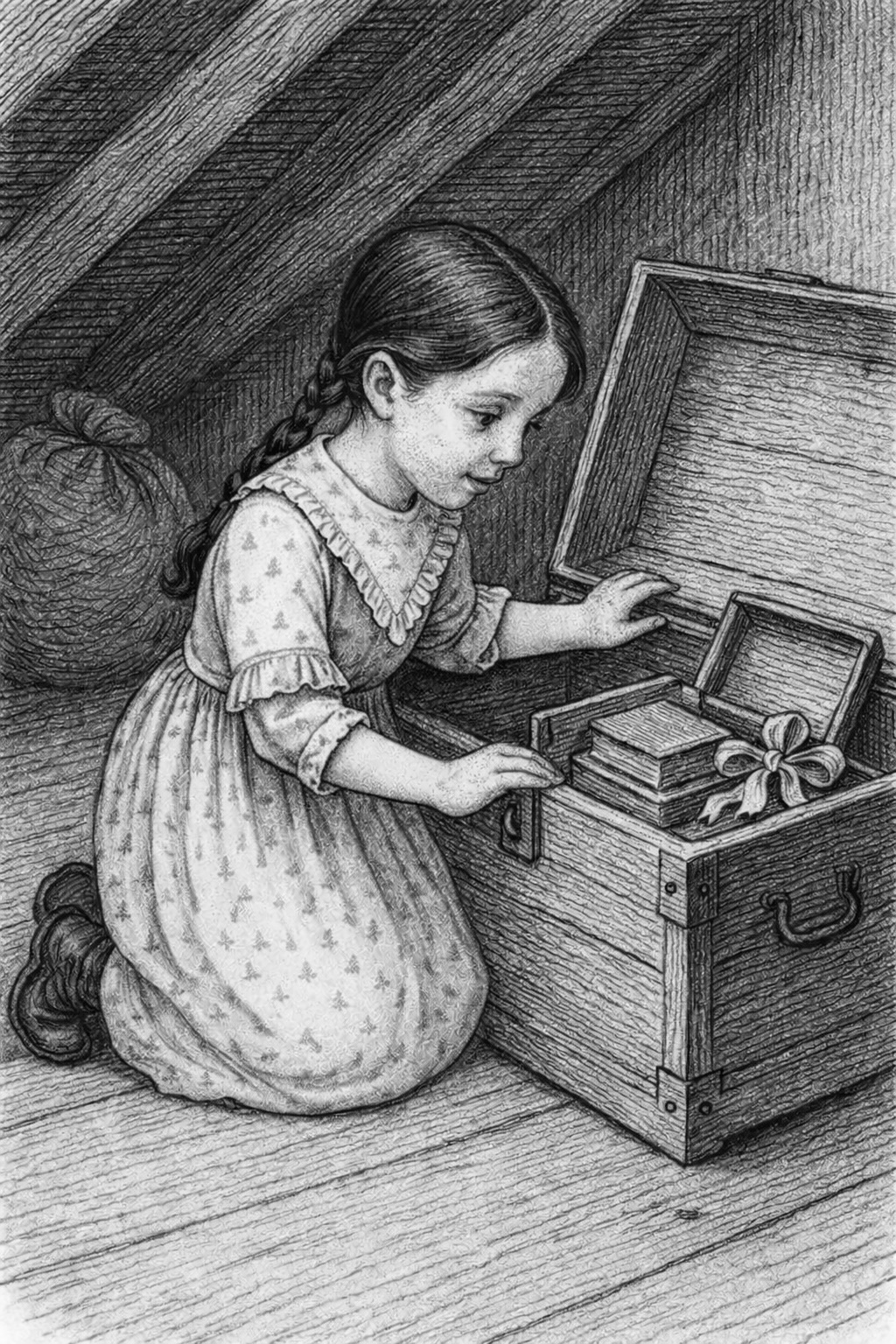
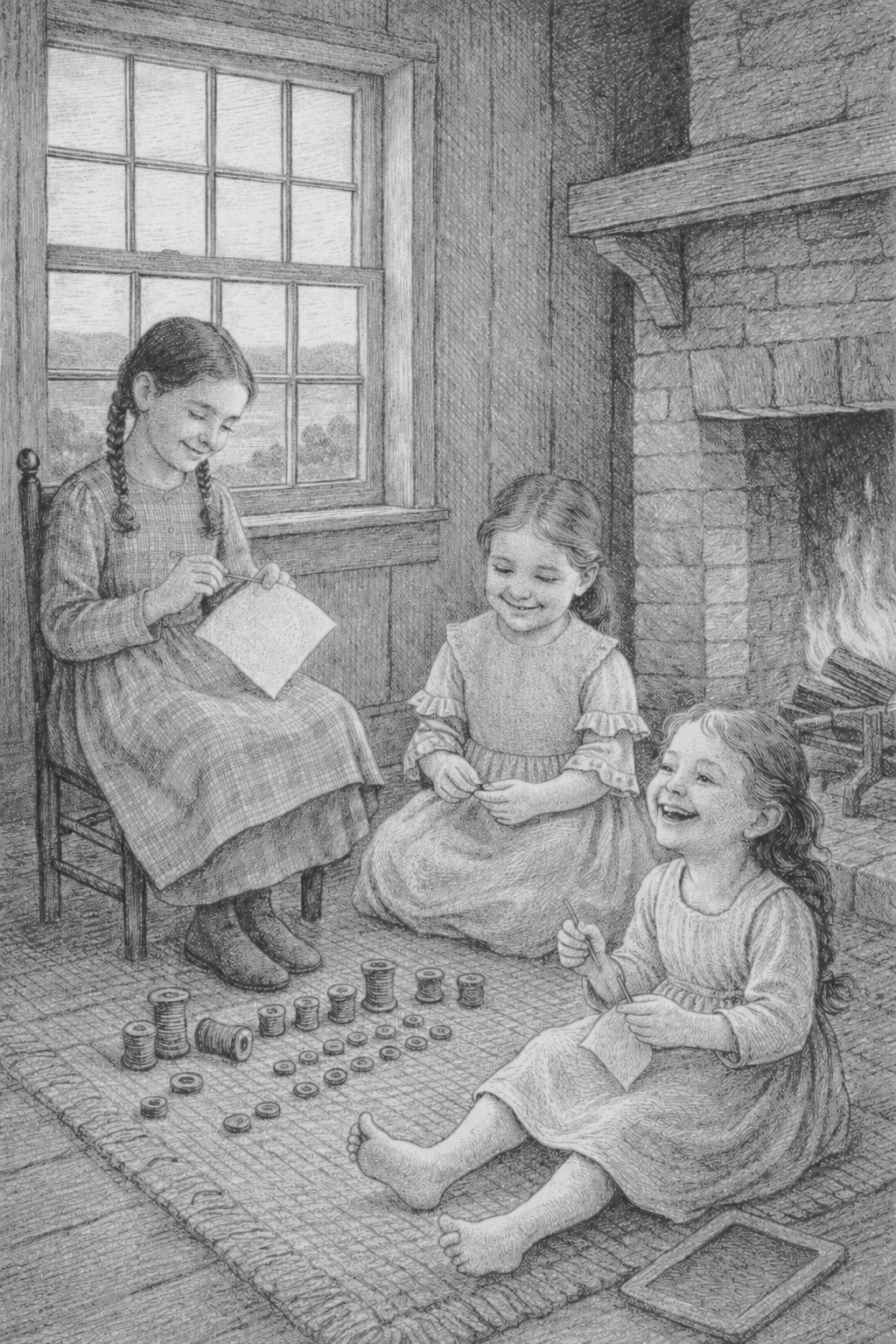
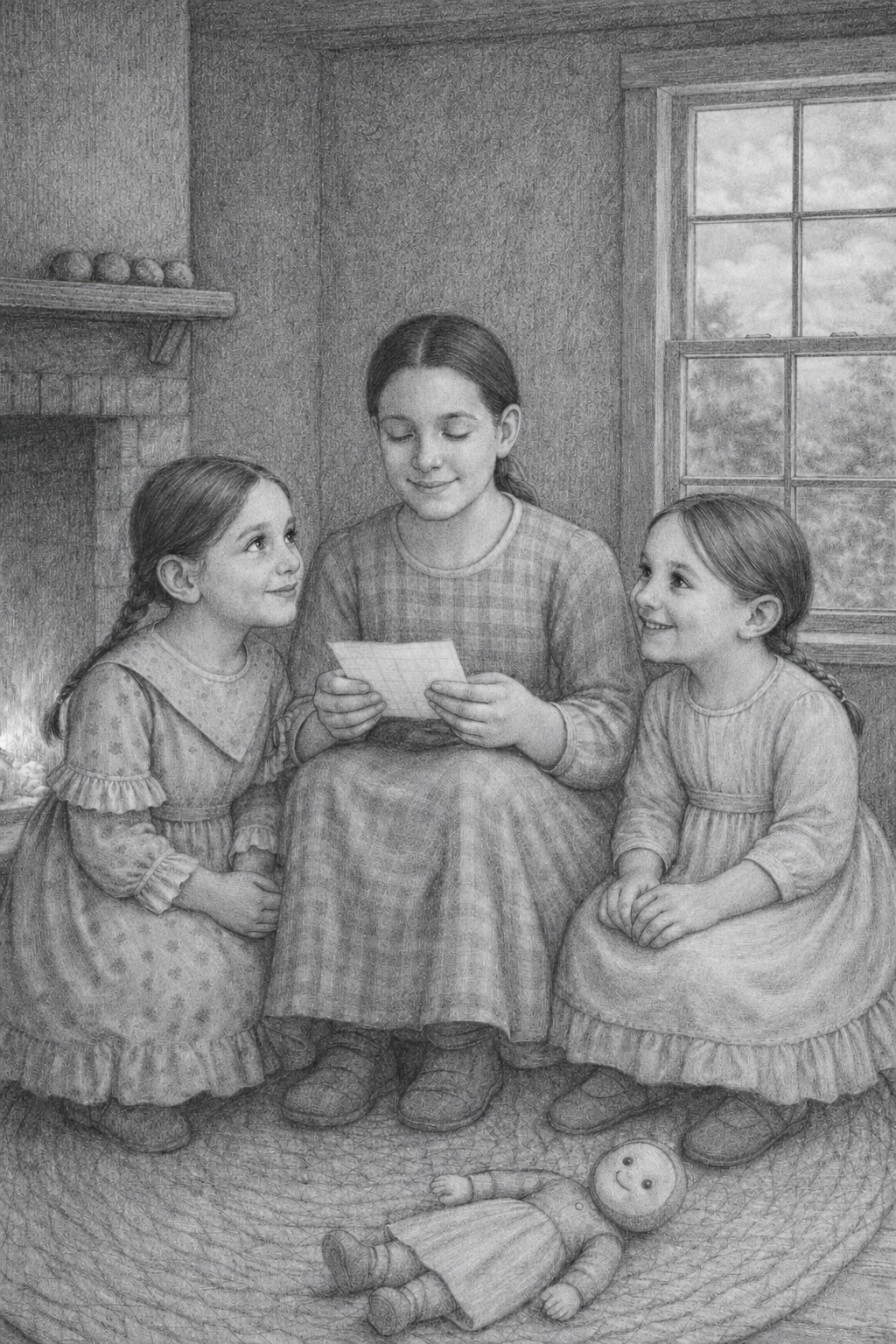
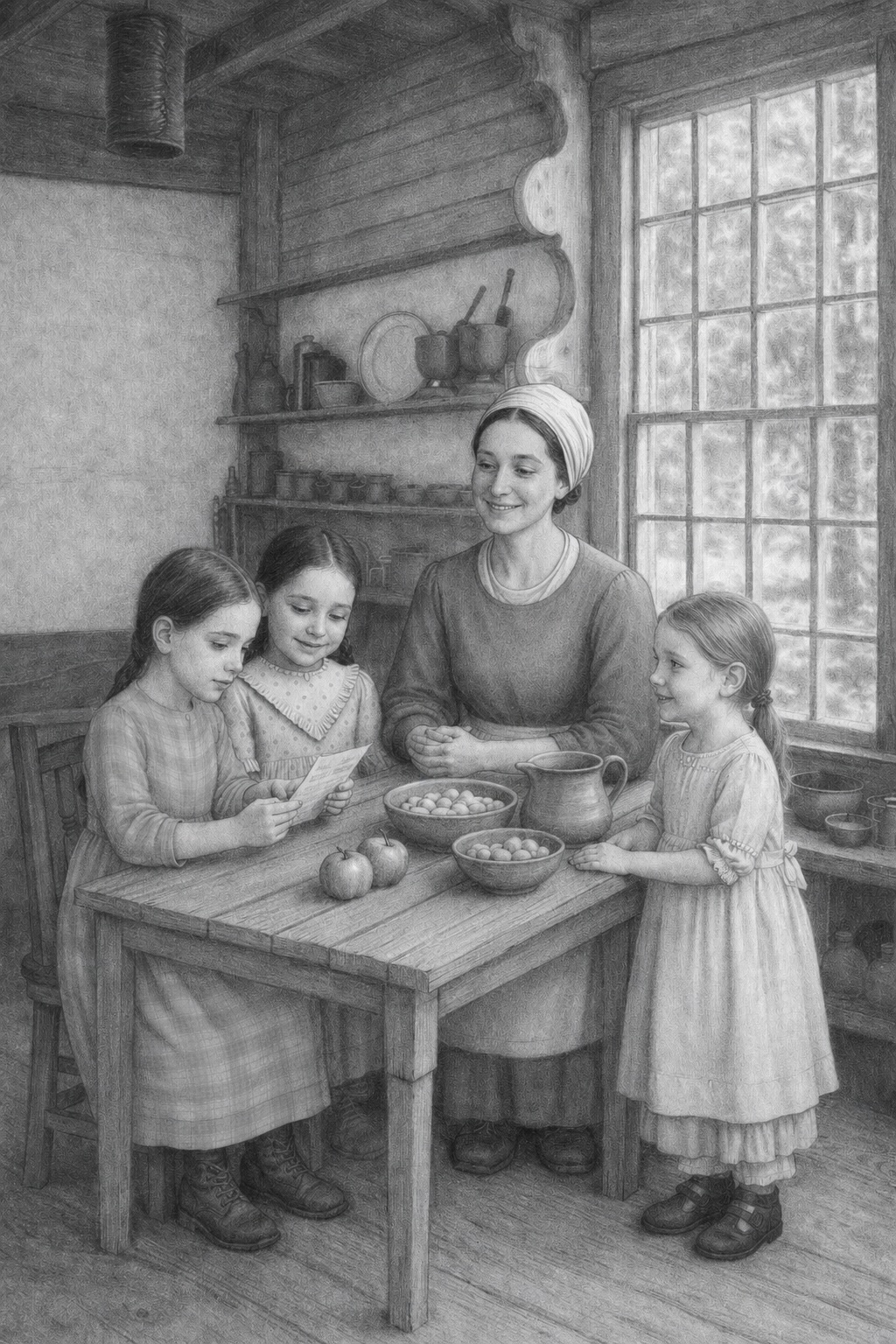
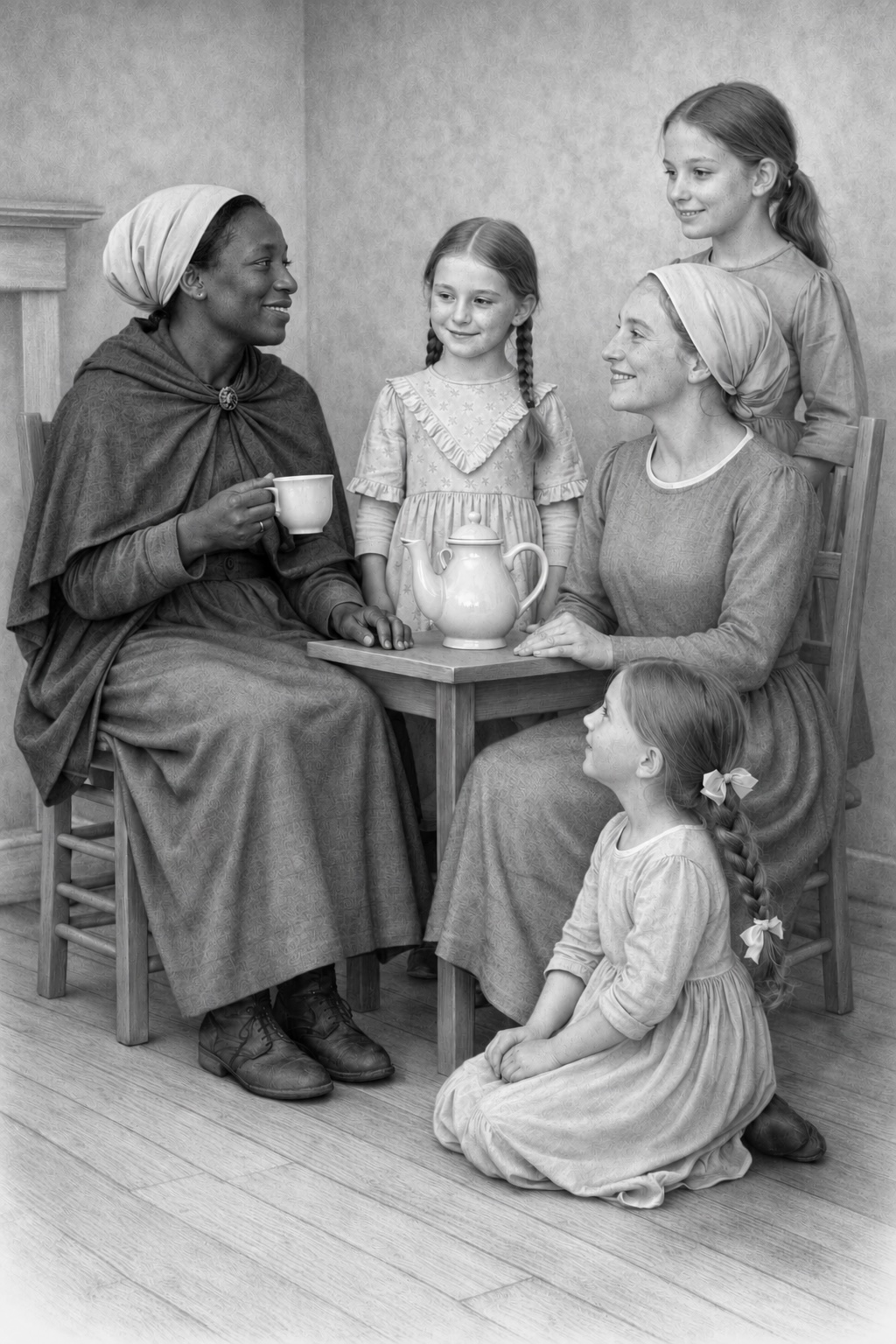
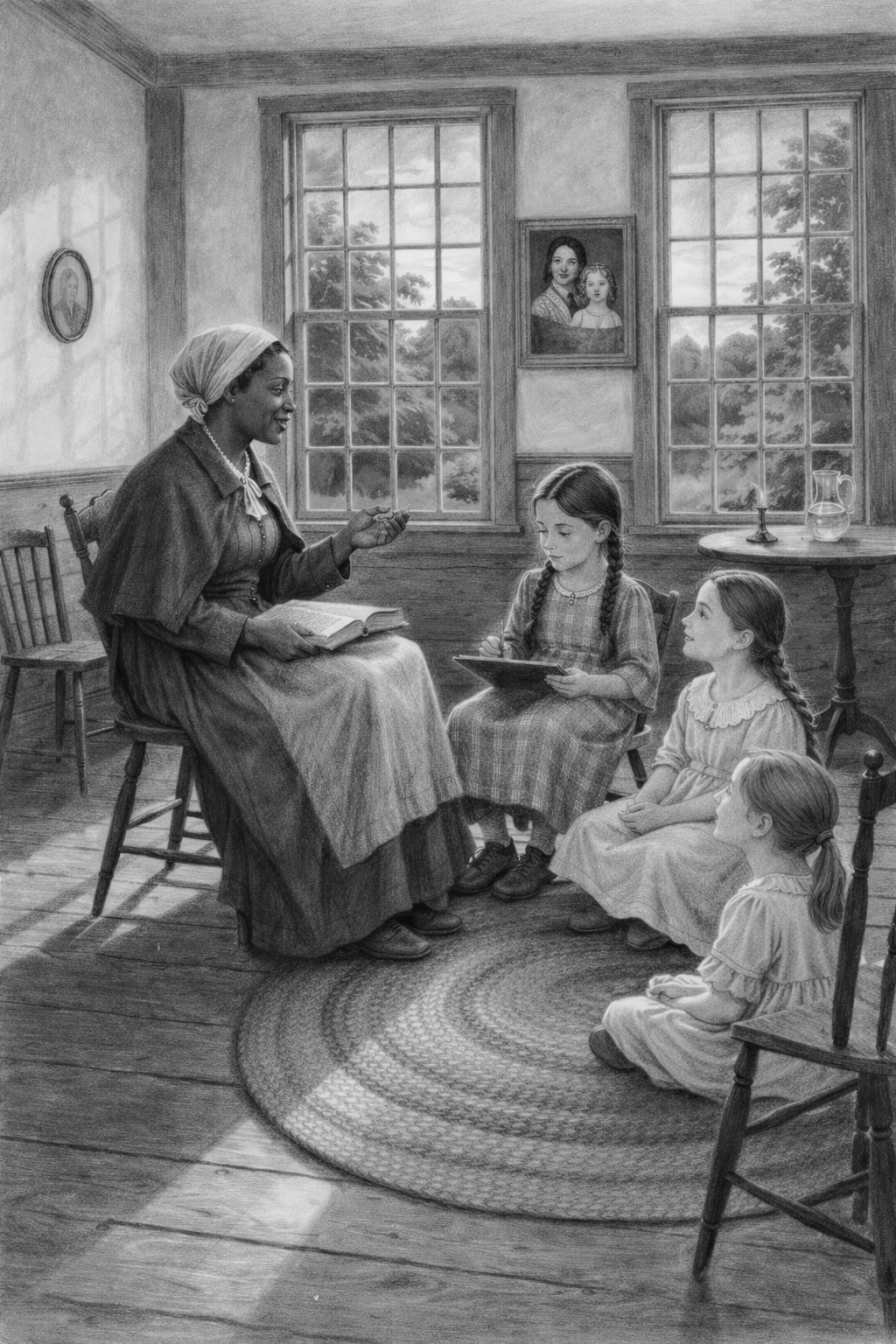
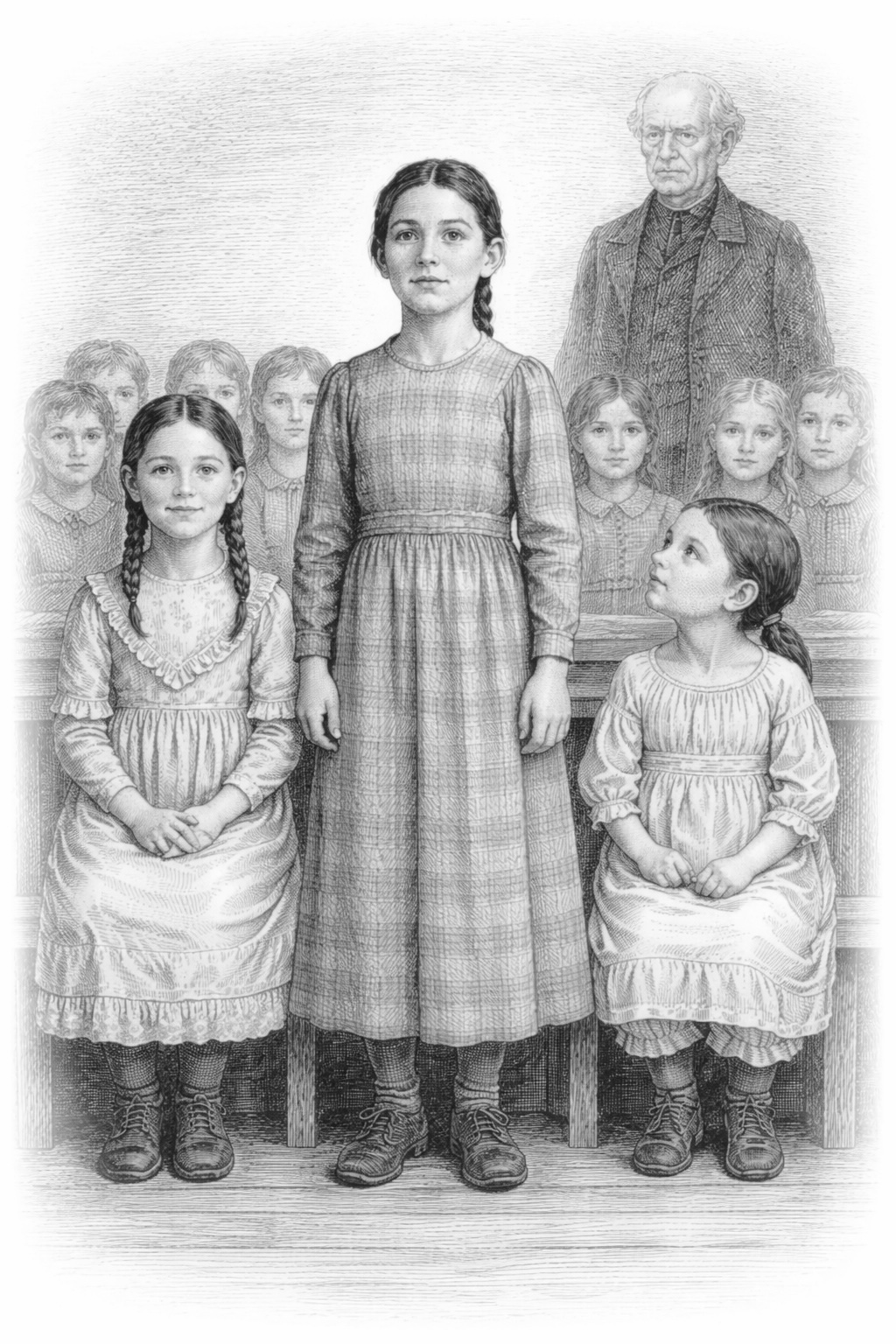
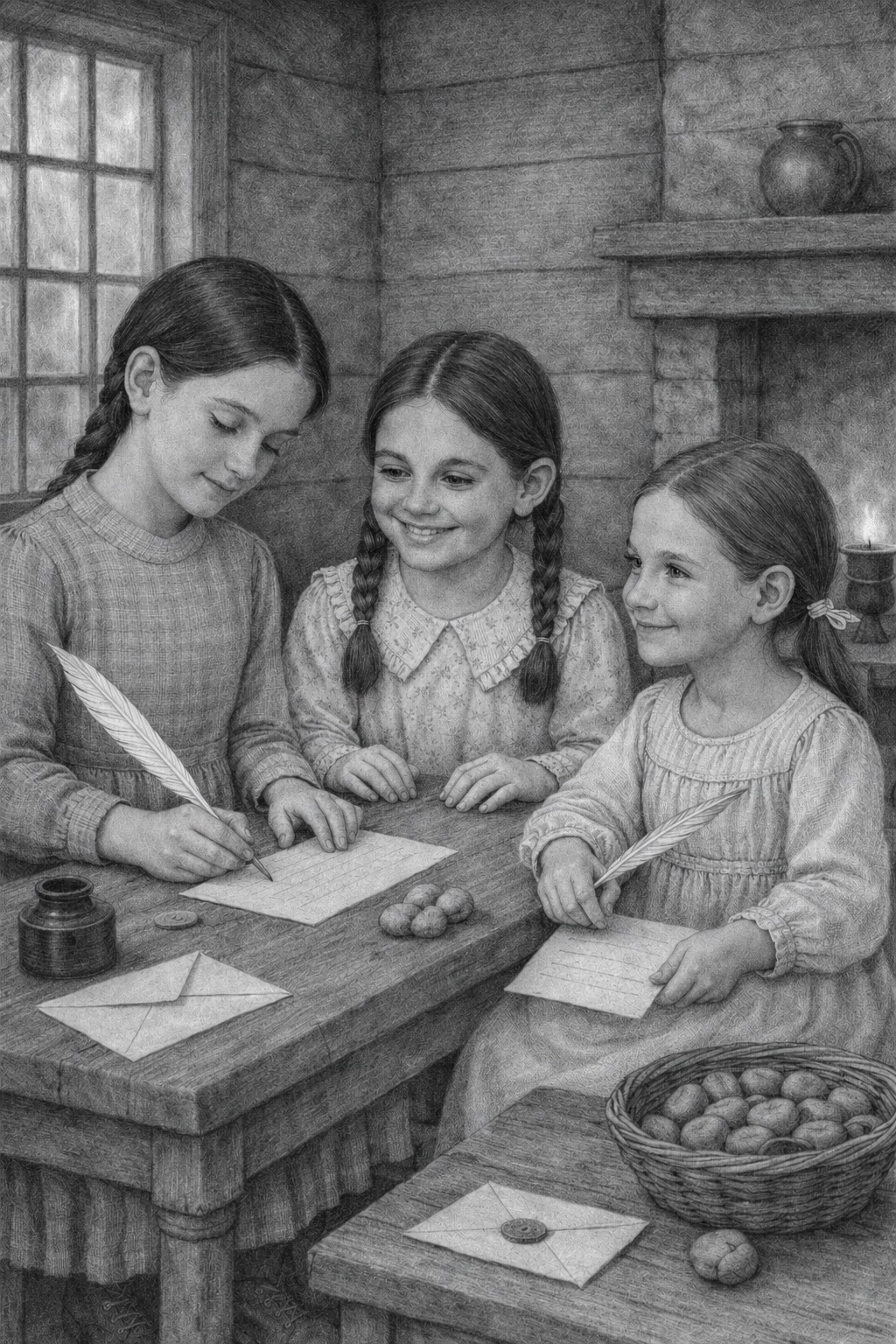
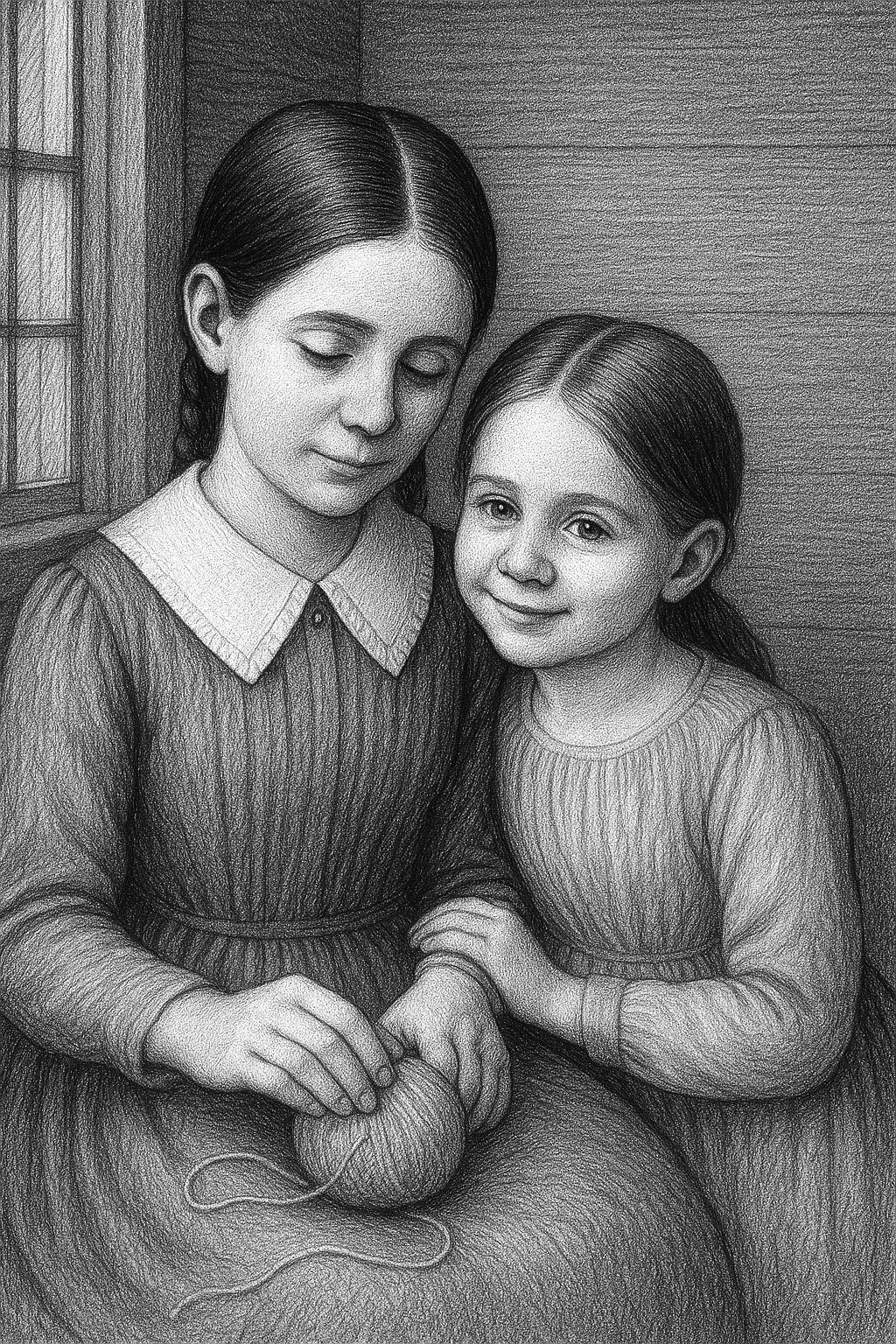
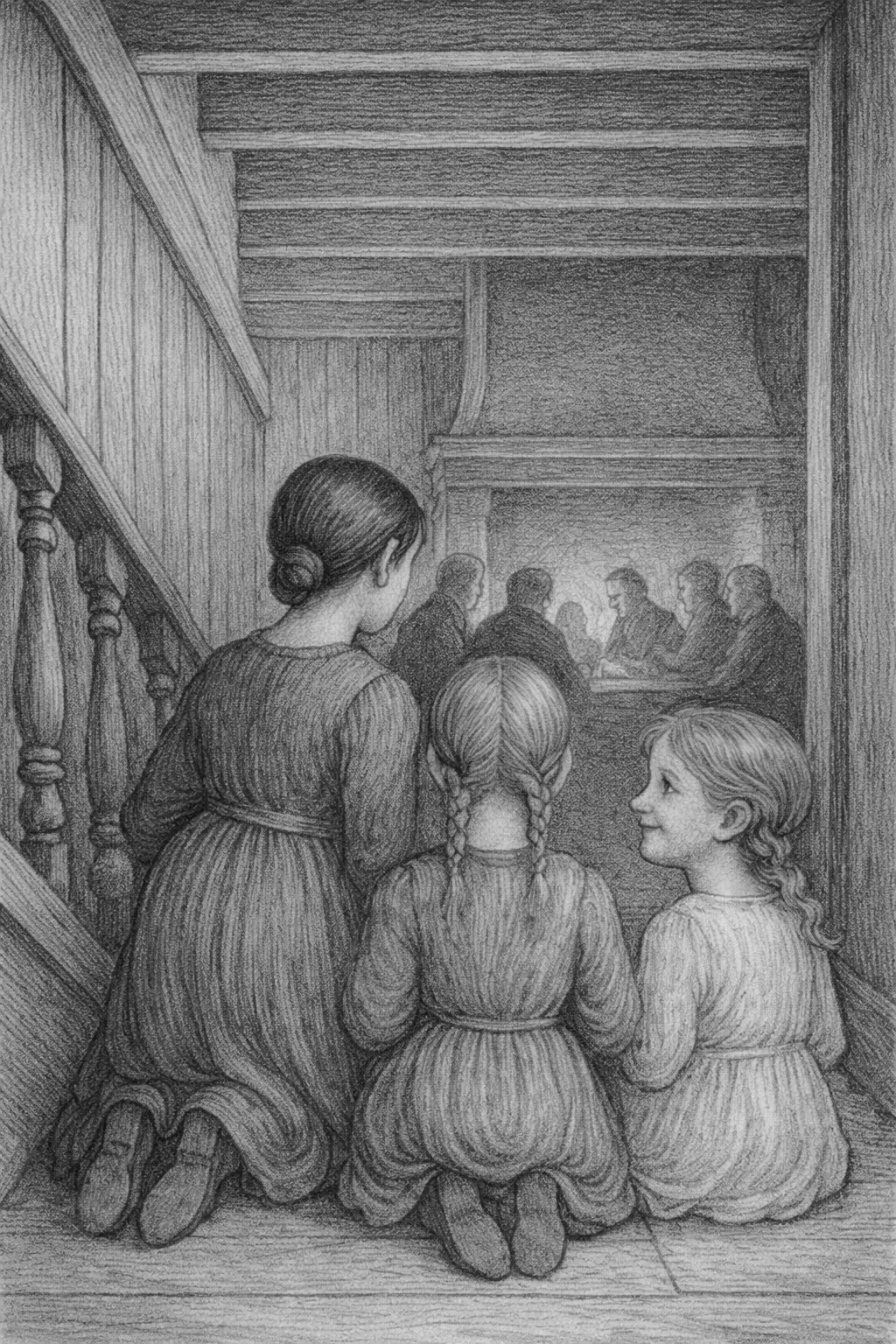
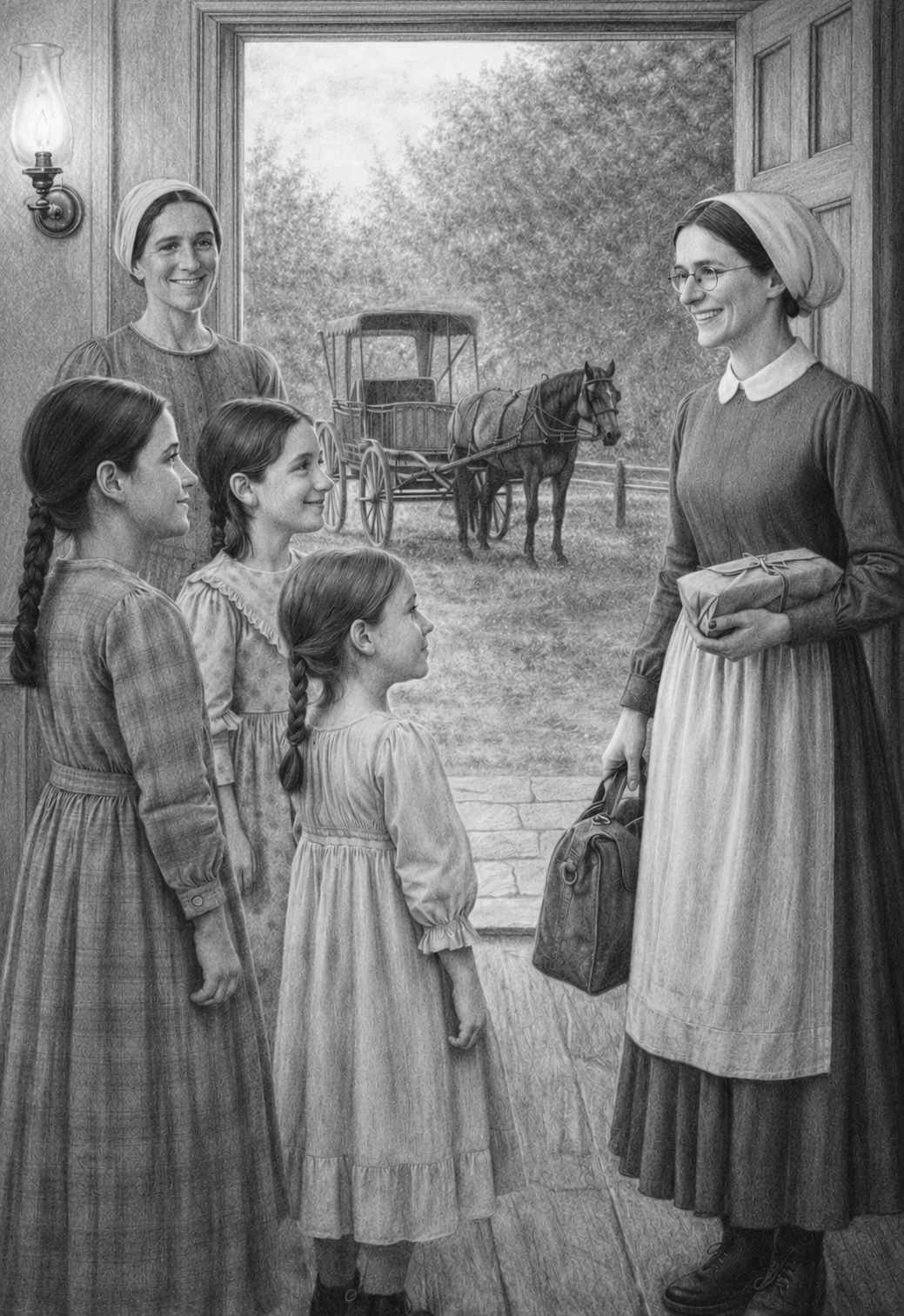
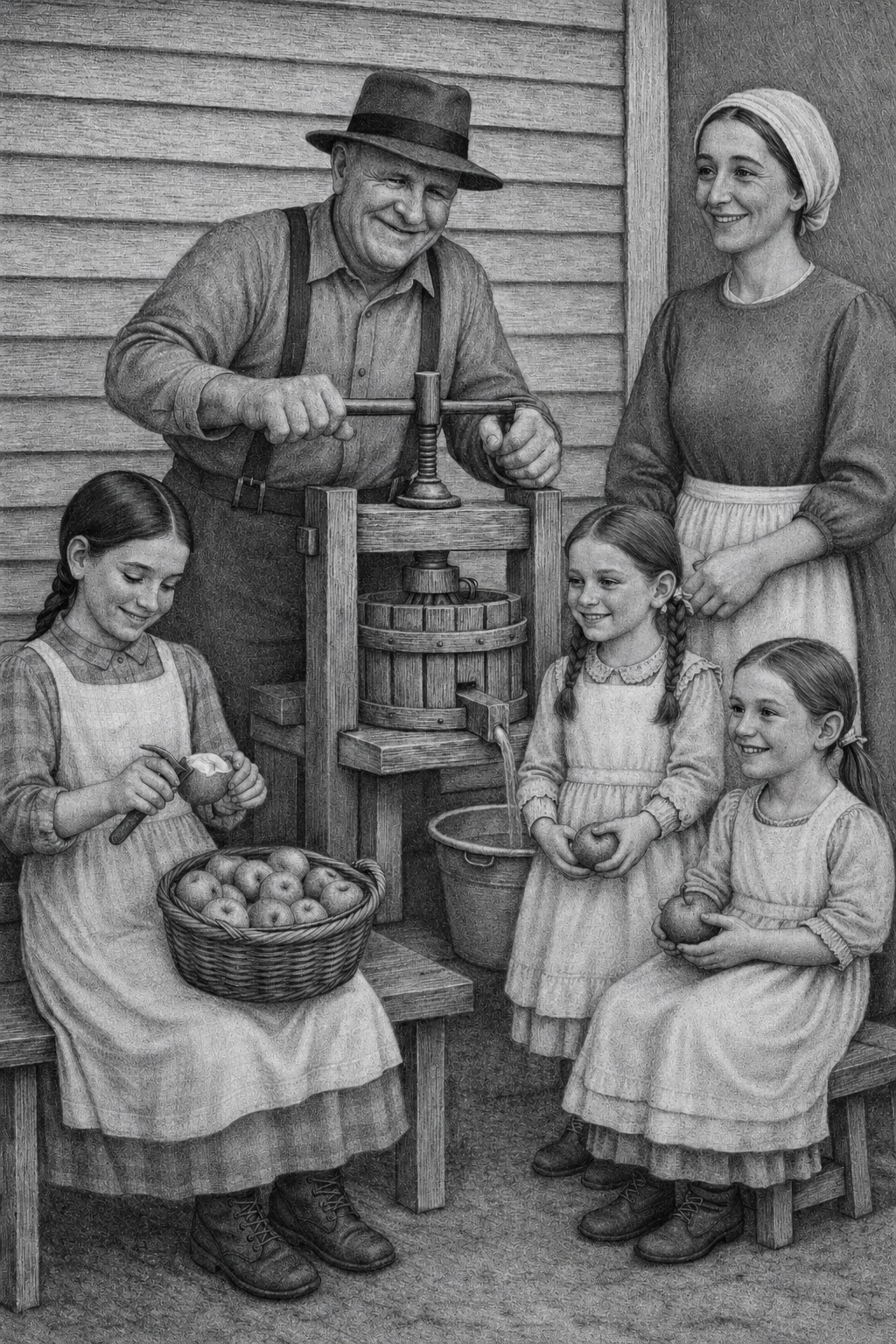
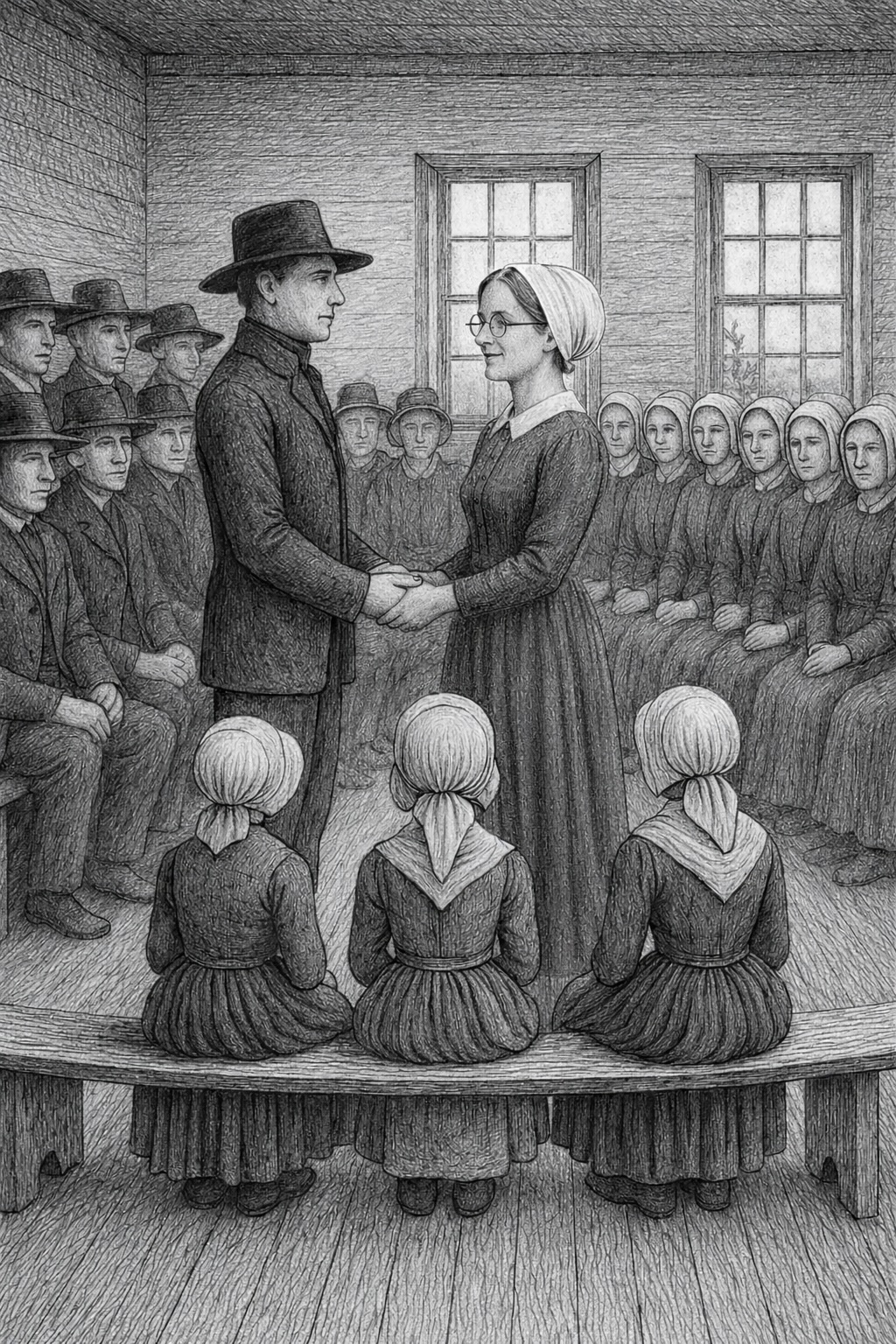
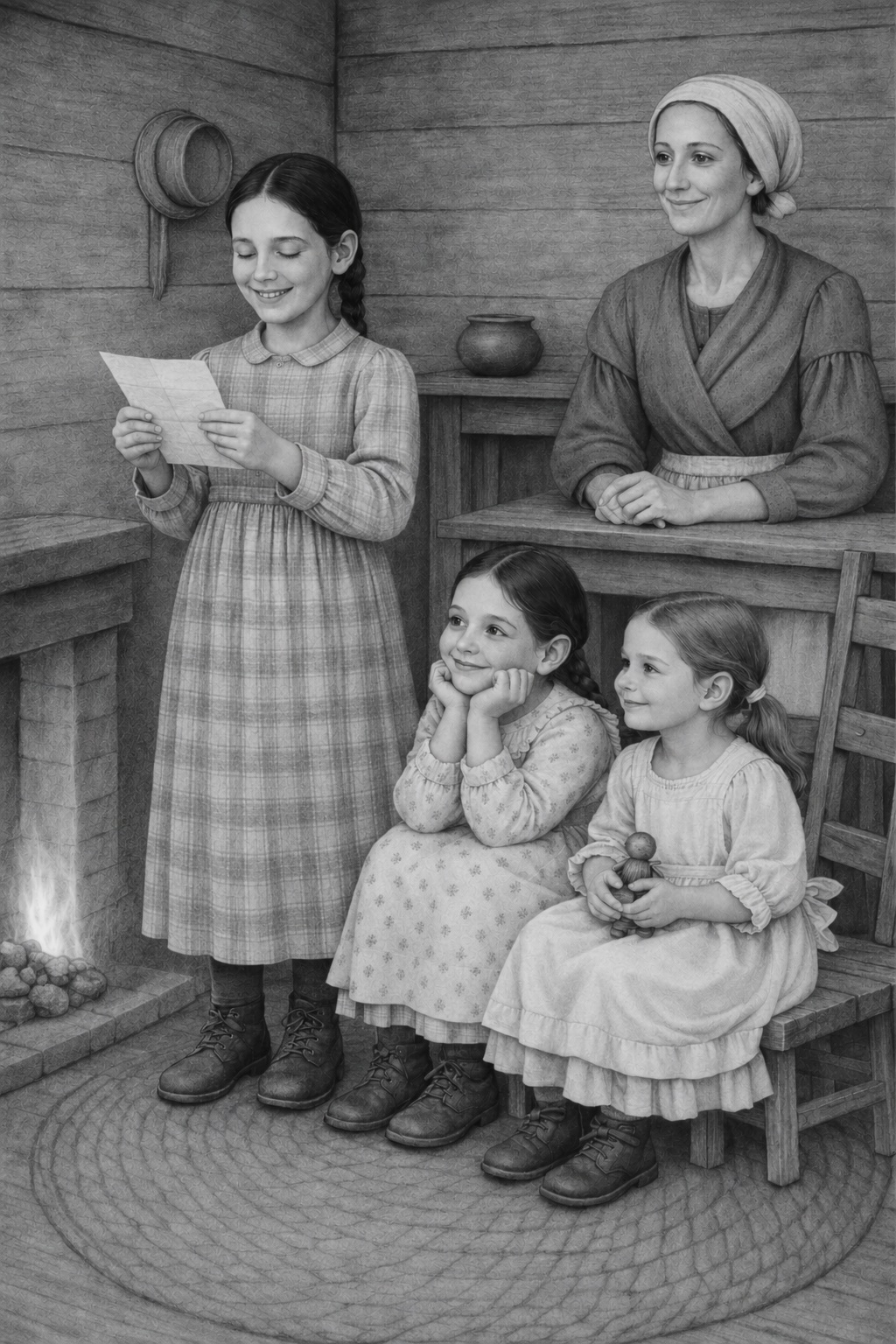
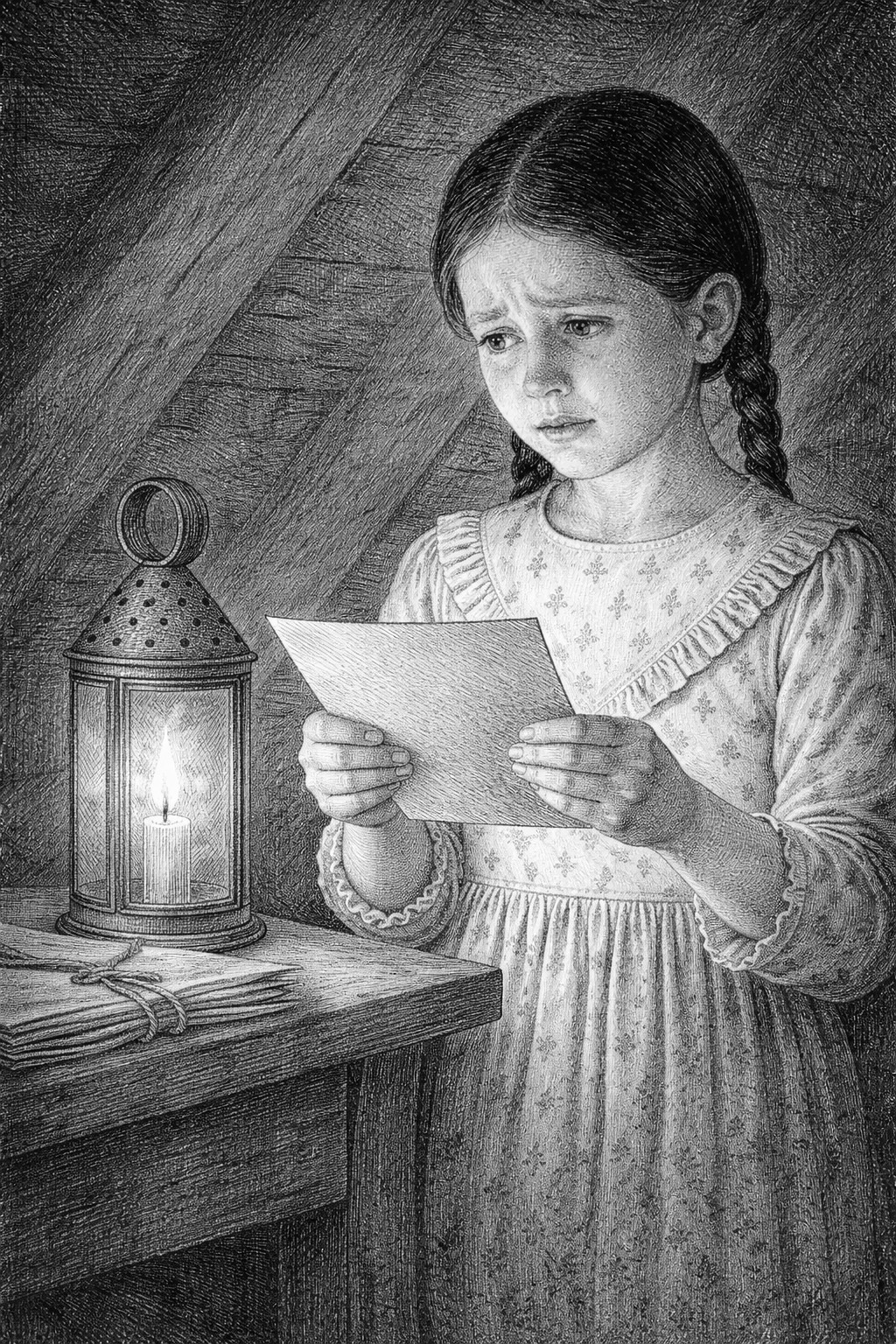
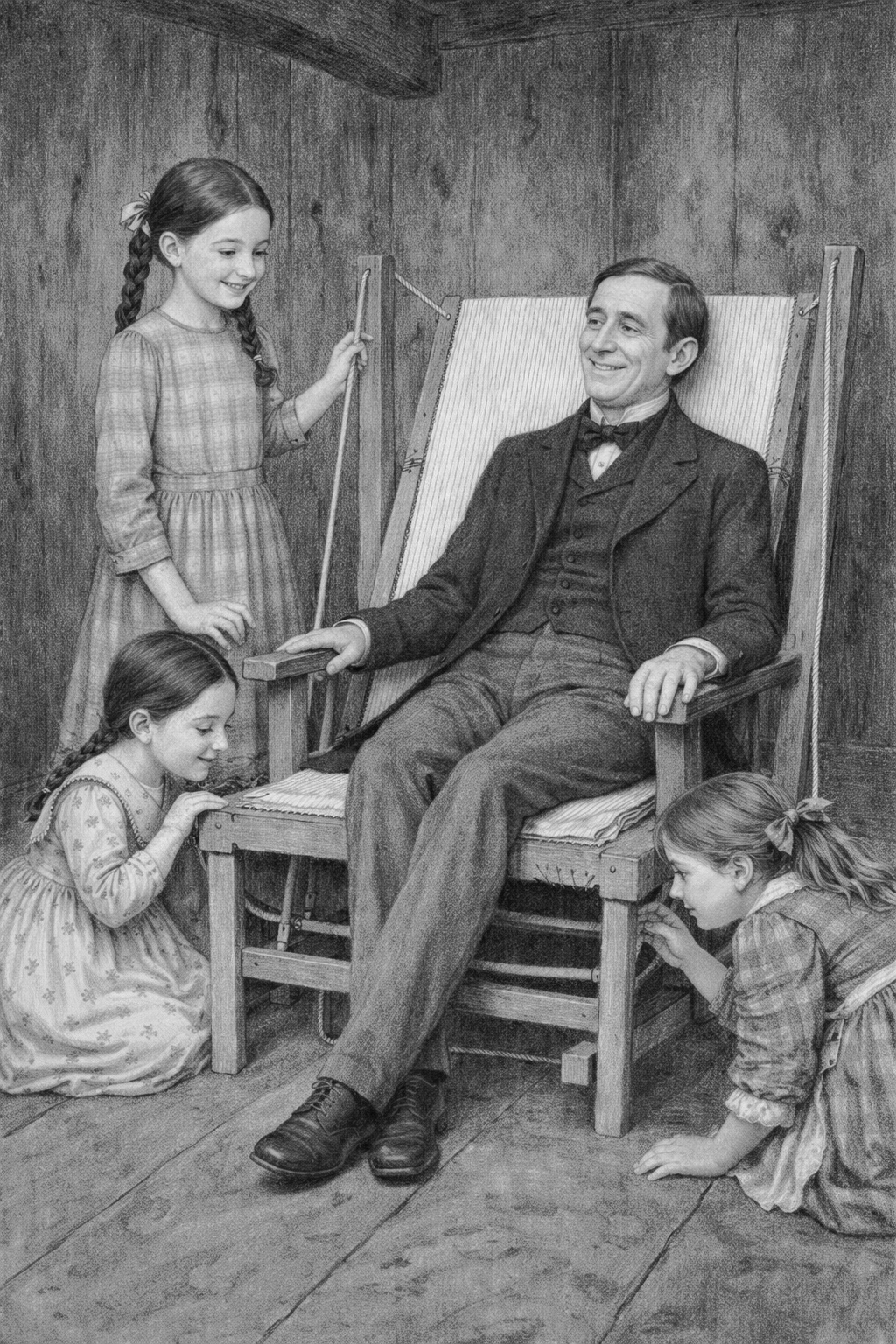
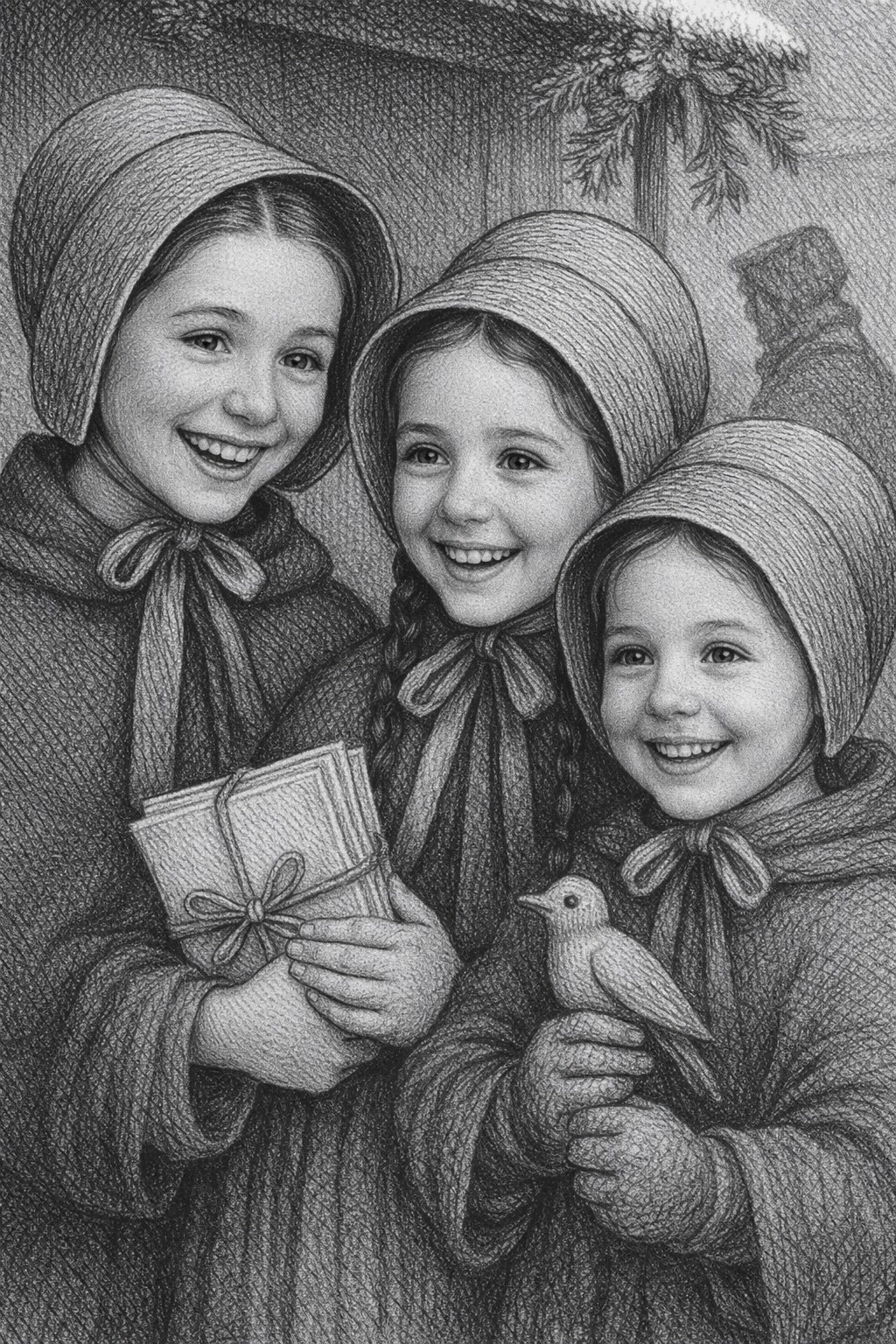
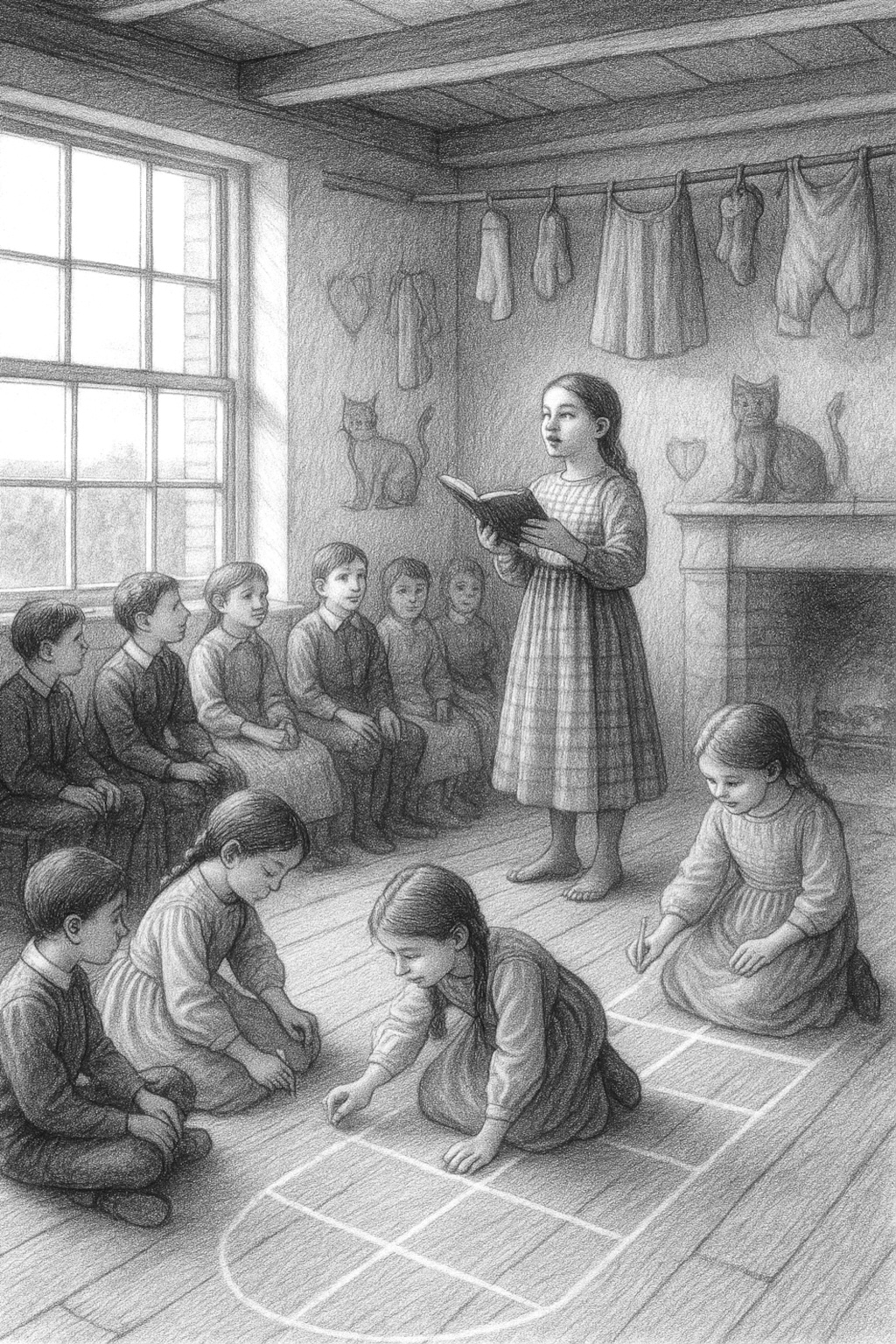
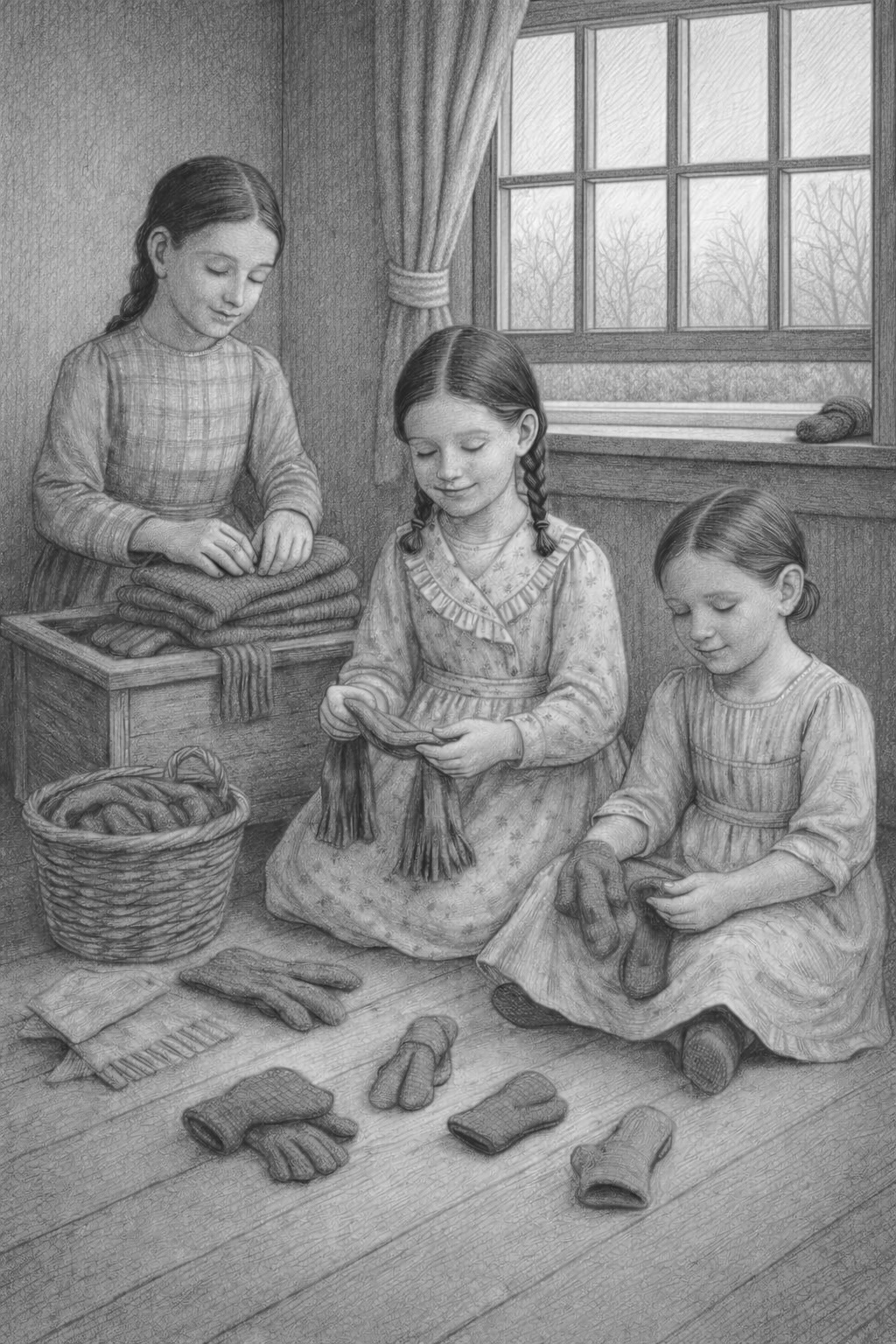
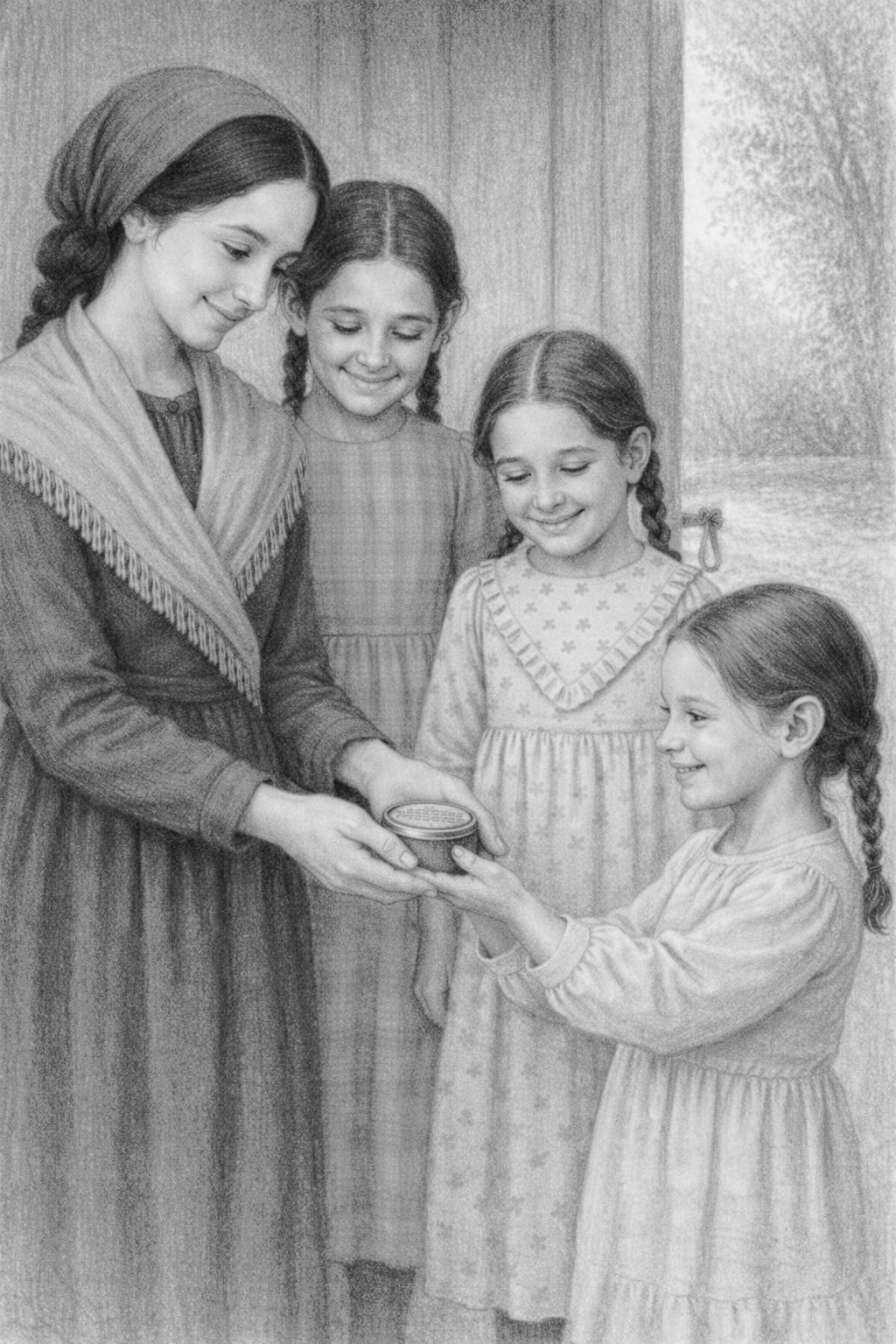
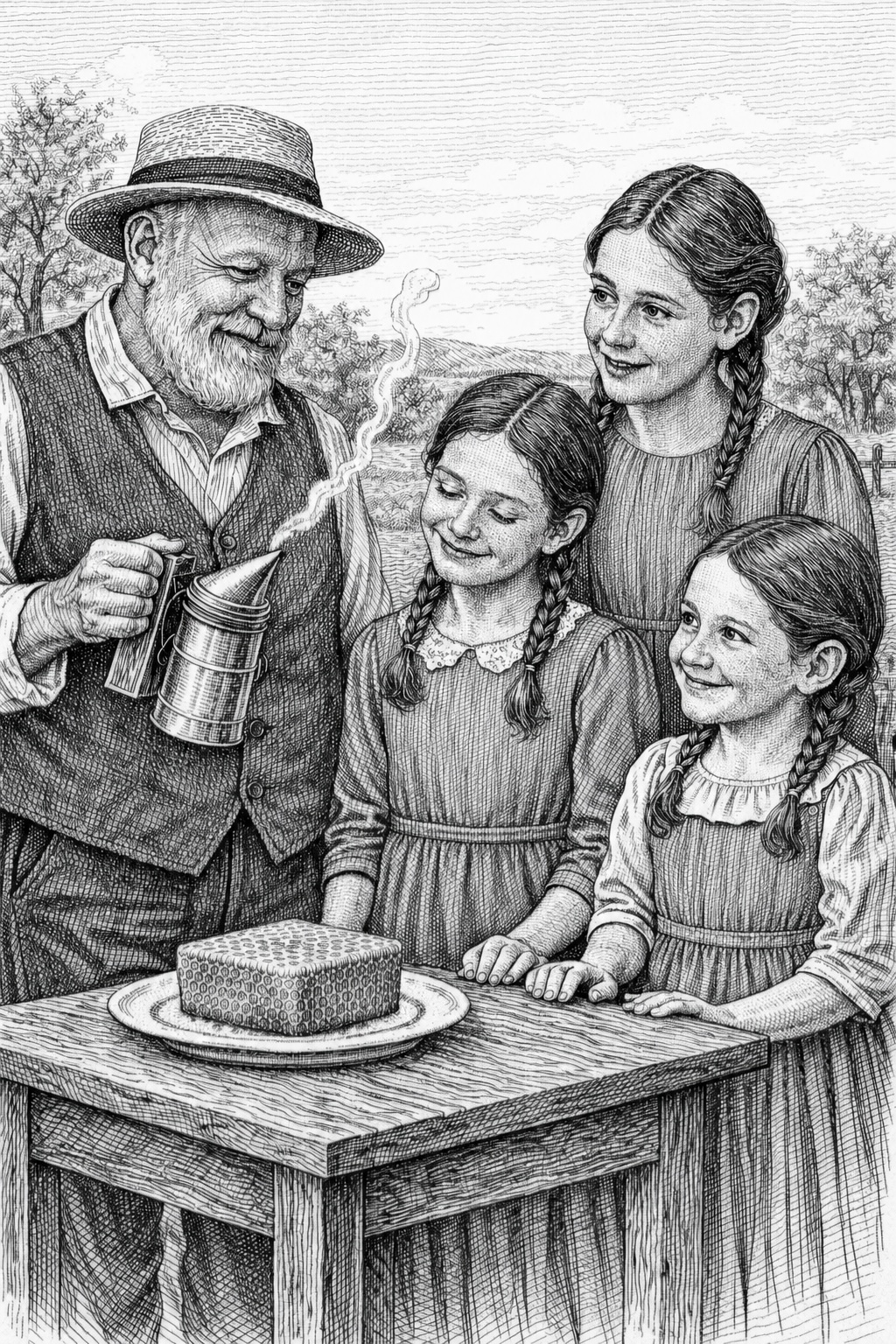
The Prescott Girls was created as an illustrated historical novel, inspired by the books I grew up with, The Oz books, The Chronicles of Narnia, The Borrowers, Snow Treasure, and the illustrated editions of Little House on the Prairie. From the beginning, I wanted the story to be accompanied by images that helped bring the world of the Prescott sisters to life.

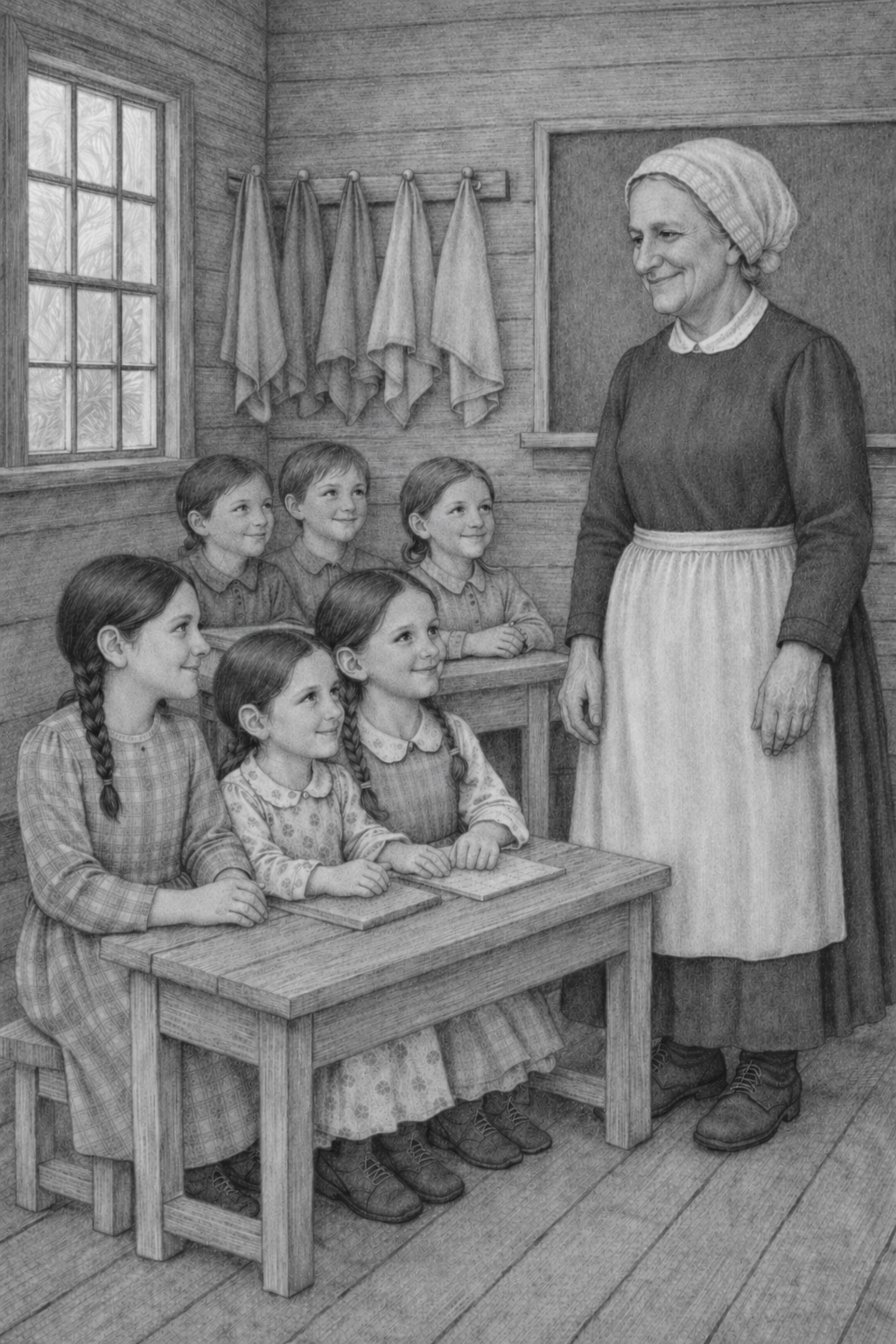
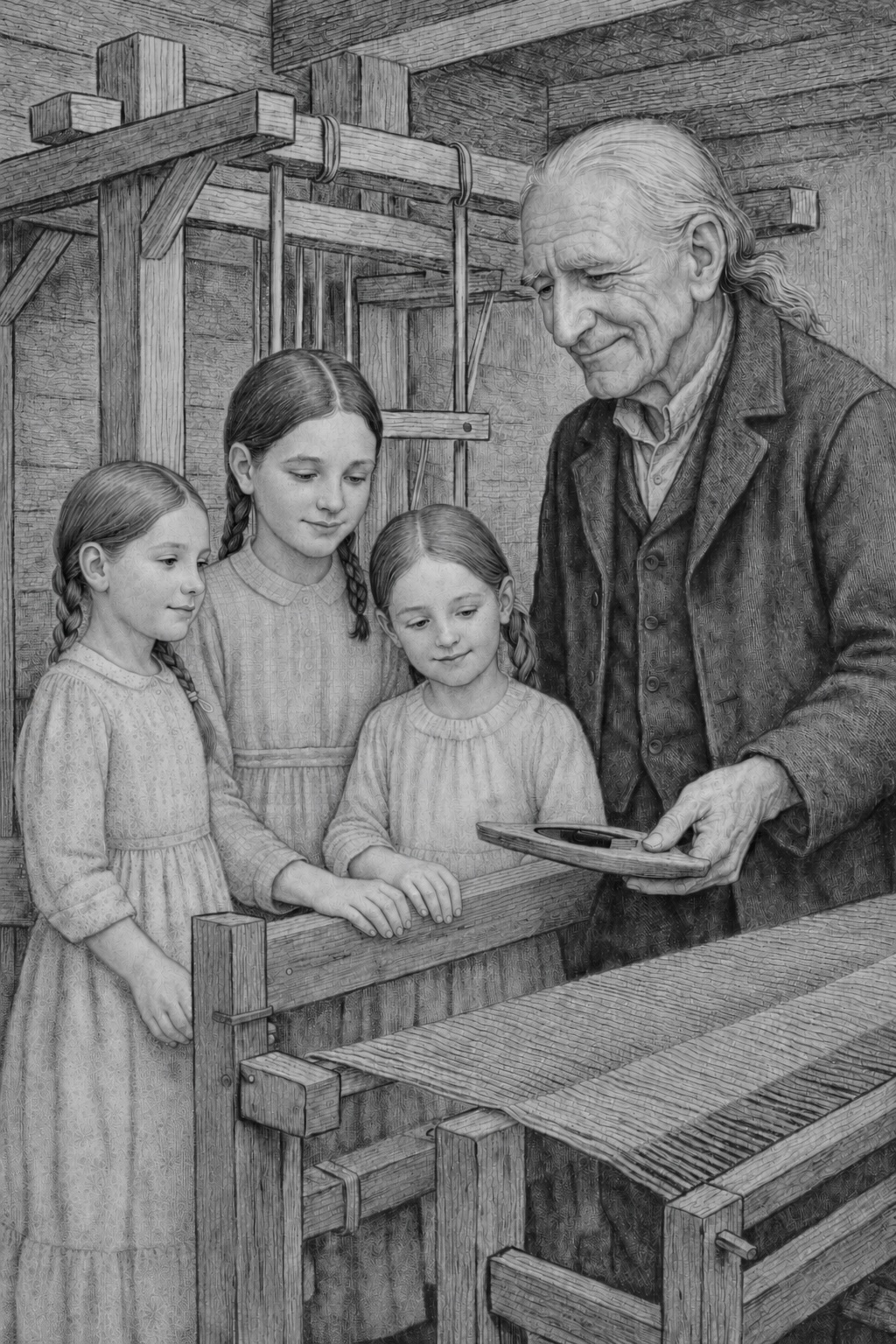
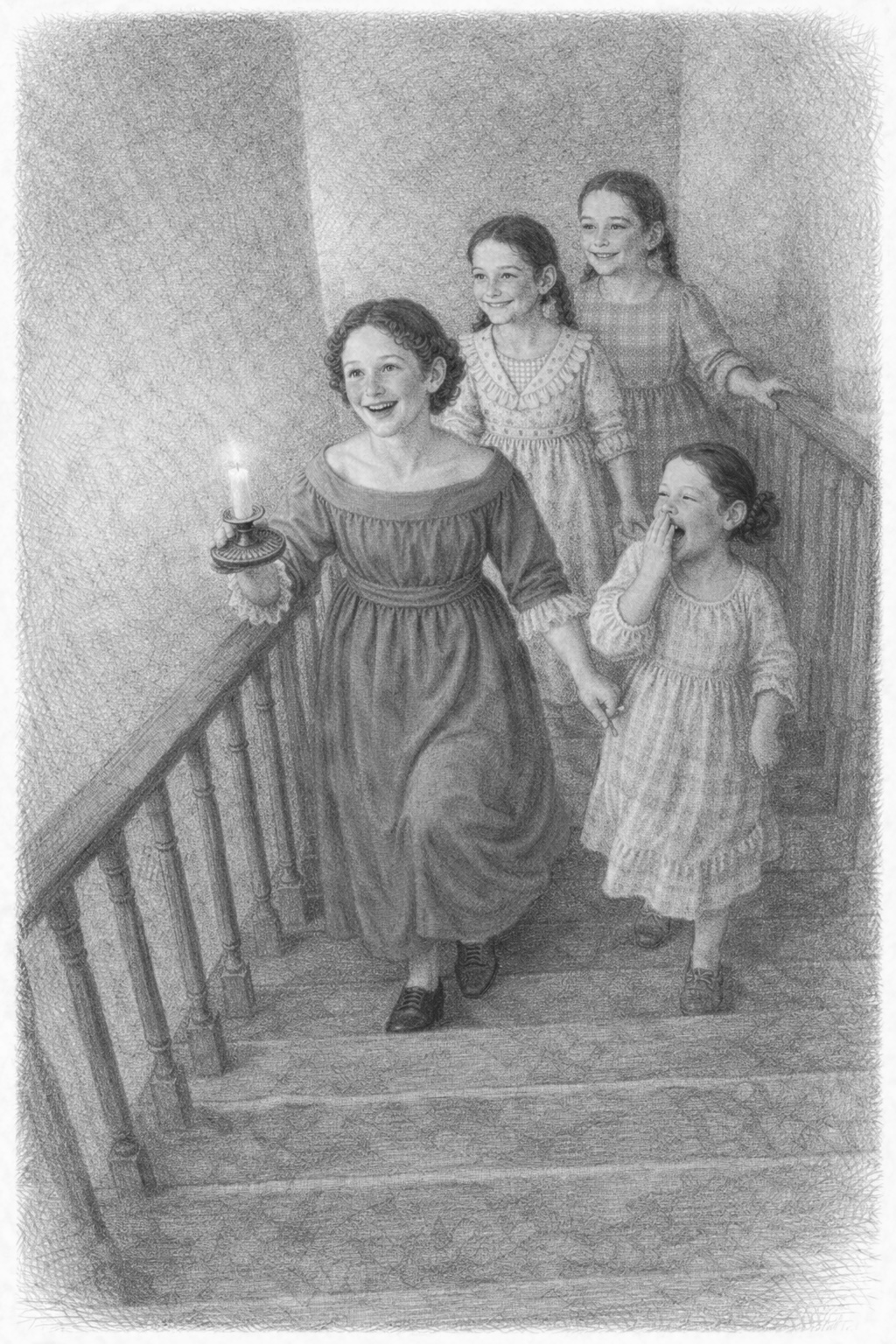
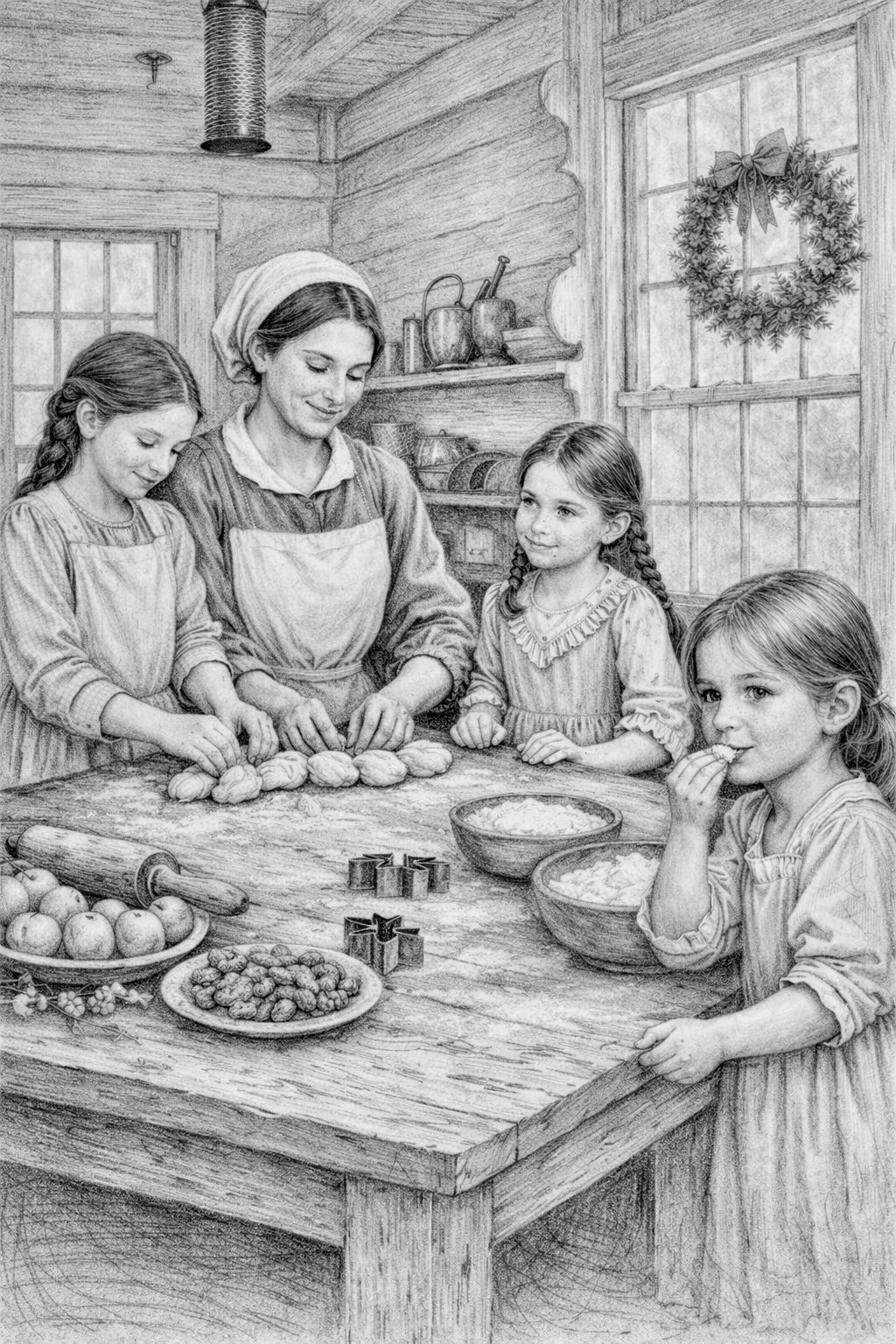
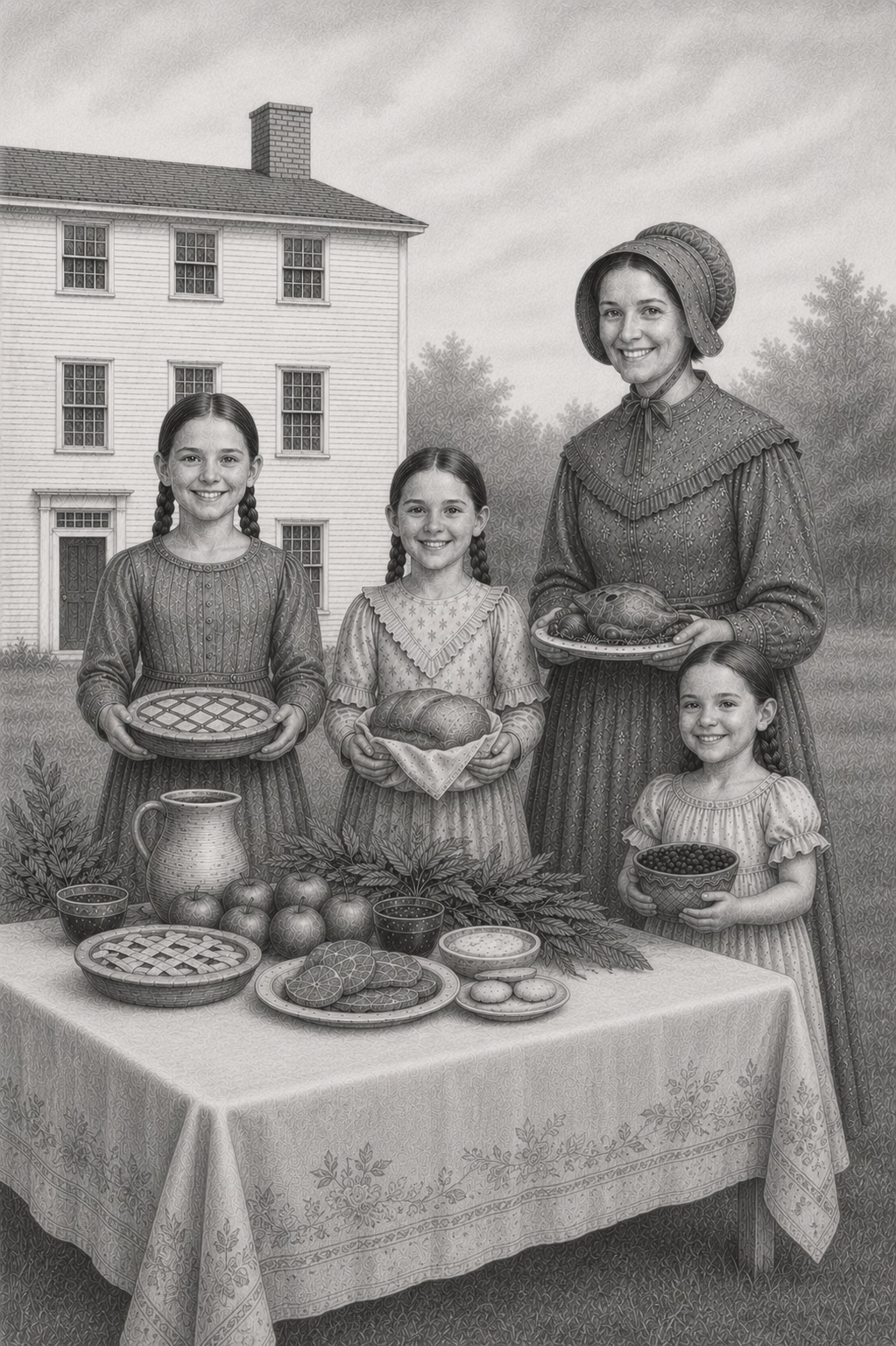
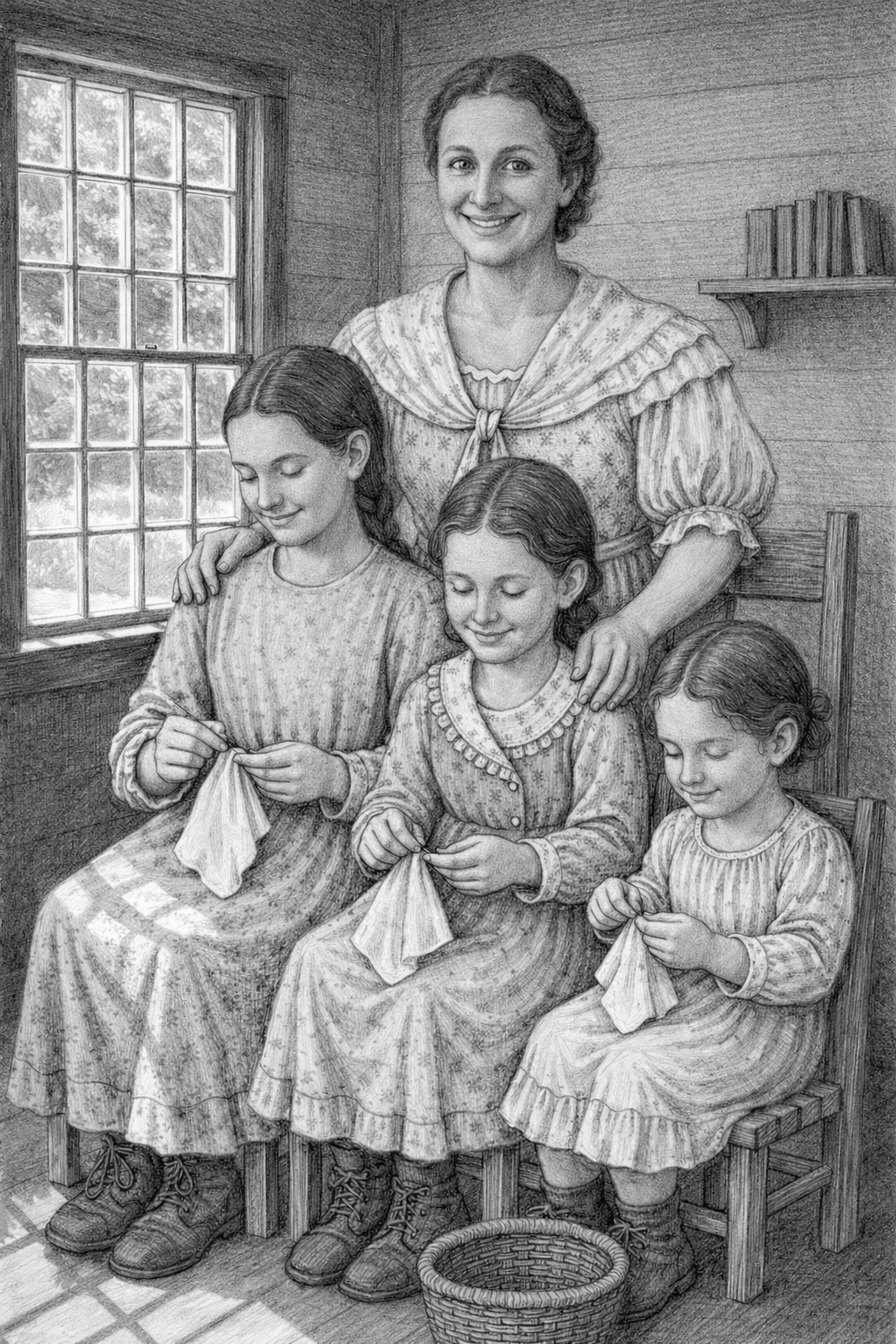
The illustrations are what I call “historic re-imaginings.” They combine historical research, real locations, period clothing, and documented family history to visualize people and places connected to the story.

The clothing in the illustrations is based on authentic garments from the 1830s. Early drafts revealed inaccuracies that were later corrected with the help of a textile specialist at the University of Rhode Island, who provided reference images of period dresses and construction details. These references helped ensure that the clothing, fabrics, and silhouettes match the era.

Many of the figures are grounded in historical sources. The mother in the story is based on her portrait from the 1850s, while the girls were developed using family descriptions, early photographs, and historical sketches. Whenever possible, the backgrounds use actual locations, including the Pownalborough Court House in Dresden, Maine, which still stands today and now serves as a museum.

Even small environmental details were drawn from research. The opening chapter along the Sandy River reflects the historical record of the grist and sawmill that once stood there, as well as the buttercups and ferns that grow along the riverbank.

Each character was developed through visual studies to maintain consistency across the book. Some images required dozens of iterations before the clothing, setting, and characters matched the historical references.

This approach has drawn interest from members of the Costume Society of America, where the process may be presented as a way modern tools can help visualize historical textiles and clothing that are often too fragile to display publicly.

Notes

Selected illustrations in the book draw upon garments in the Historic Textile & Costume Collection at the University of Rhode Island and the Maine Historical Society collections.